Tums-Maker’s Sales Grow as Weight-Loss Drug Users Grapple With Uncomfortable Side Effects
Up to 70% of GLP-1 patients experience gastrointestinal issues including nausea, vomiting, diarrhea, and constipation, per one study.
Sign up for smart news, insights, and analysis on the biggest financial stories of the day.

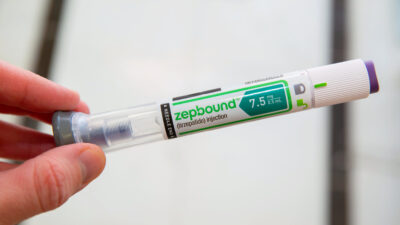
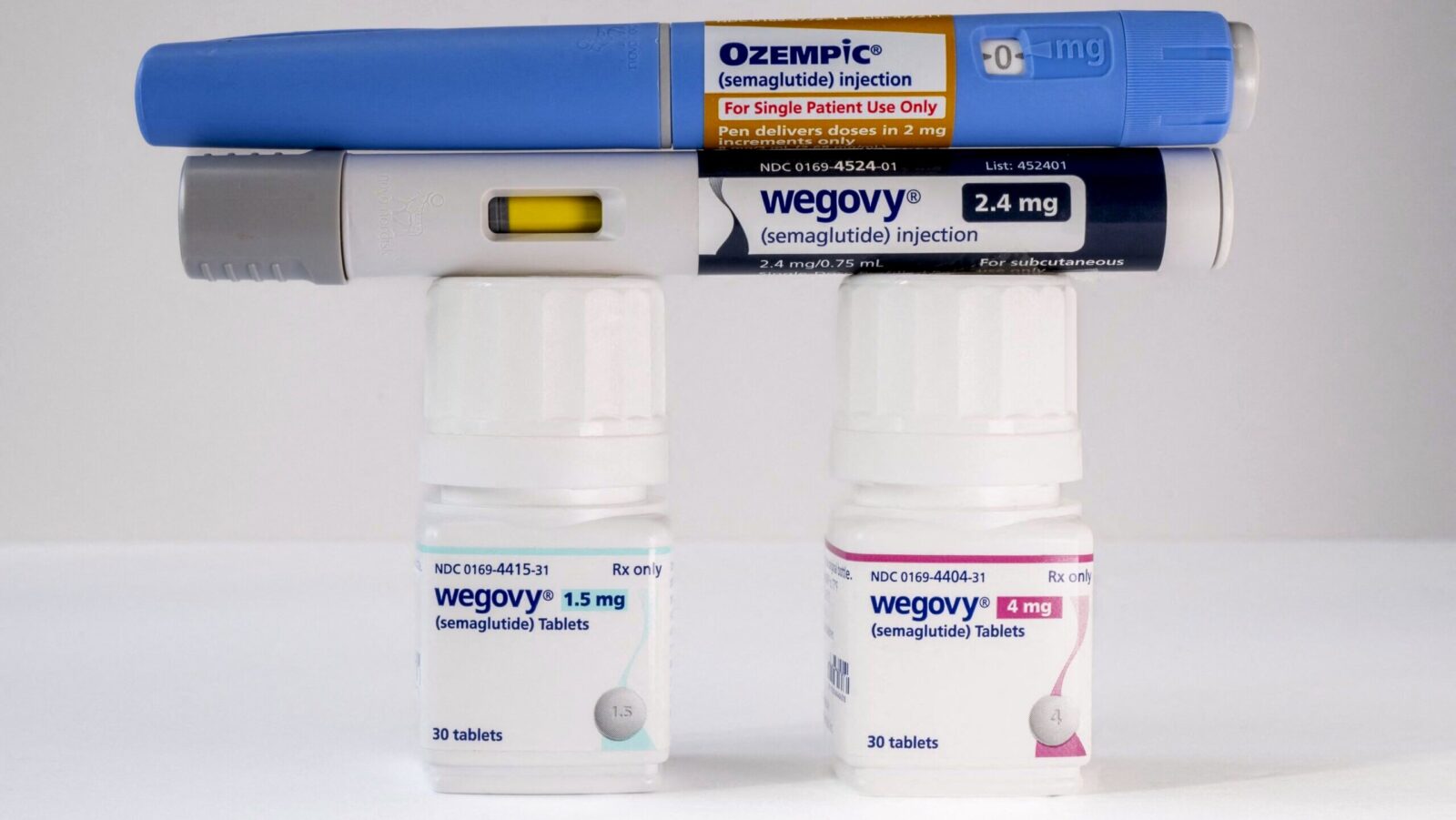
Novo’s semaglutide and Eli Lilly’s tirzepatide, the two major GLP-1 weight-loss drugs on the market, are locked down under patent until the mid-2030s. That doesn’t mean only two companies will be benefiting from the boom, though. The GLP-1 companion trade is flourishing.
One of its unheralded stars, Haleon, the British consumer healthcare goods giant that makes Tums, among other things, told Reuters Wednesday that it has significantly boosted sales of products that counter common GLP-1 side effects like gastrointestinal flare-ups.
Do the Math
It all adds up rather quickly. More than one in 10 Americans take a GLP-1 medication for weight loss, according to a July Gallup poll. And a peer-reviewed study published in Mayo Clinic Proceedings last year found that 40% to 70% of GLP-1 patients experience gastrointestinal issues including nausea, vomiting, diarrhea and constipation.
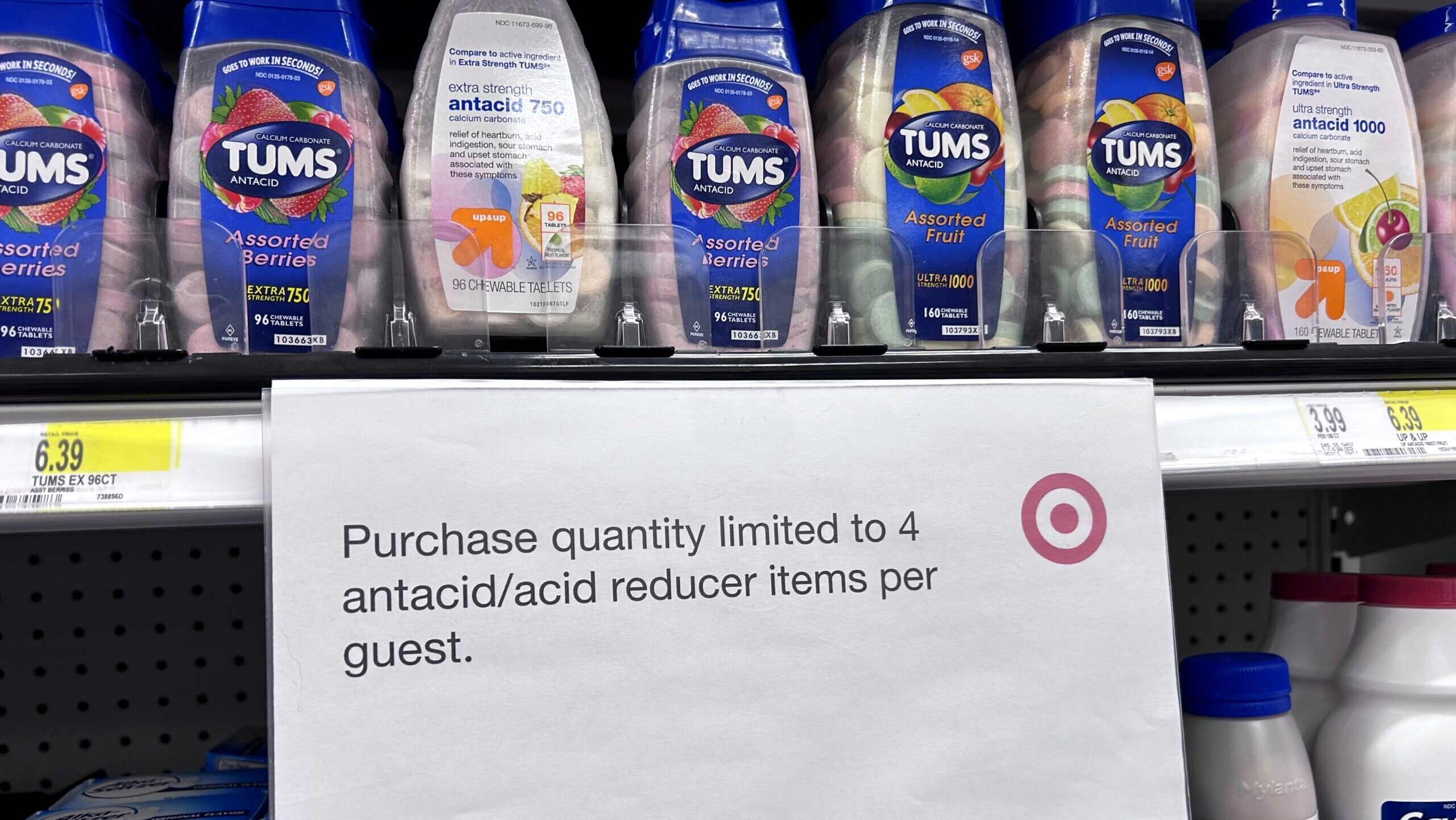
Haleon, which was spun off from GSK in 2022, makes two go-to over-the-counter products familiar to anyone with abdominal pain or digestive problems, whether induced by GLP-1s or Taco Bell. The first is painkiller Advil, and the second is the aforementioned antacid tablets Tums, which provide relief from heartburn and stomach aches. One doesn’t need a quantum computer to see that tens of millions of Americans + GLP-1 gastrointestinal issues = a lot of potential antacid and painkiller customers.
Haleon did the math, and it certainly could use a boost. The company’s shares have tumbled 9.3% in 2026, with investors concerned about its organic revenue growth of 2.6% in the first six months of the year. That means the company needs a sales lift if it’s going to hit its full-year target of 3% to 5%. A Haleon spokesperson explained to Reuters how the adoption of GLP-1s, and the resulting cramps, could help it get there:
- Haleon is working with retailers including CVS to put its products in store sections dedicated to GLP-1 users in addition to other spots. “Dual placement in core aisles and GLP-1 destination sets delivers an average 24% sales lift per store,” the spokesperson said, adding the company “holds the majority of GLP-1 shelf space at CVS.”
- Haleon told the newswire that it has held talks with Walmart and Target about adopting a similar strategy of displaying its products near GLP-1 offerings.
Haleon’s success suggests that Kenvue’s Imodium A-D or Procter & Gamble’s Pepto-Bismol could also benefit if set on the right shelf.
Some Welcome Side Effects: Not all GLP-1 side effects are unpleasant. Trisha Pasricha, an assistant professor at Harvard Medical School, wrote in The Washington Post earlier this year that the medications are associated with lowering the risk of stomach ulcers and colorectal cancer.
Recent News
-

Photo via Revolution Medicines