

Good morning.
Venture capital firm Andreessen Horowitz is investing $35 million in a new private, tuition-free “academy” for high school graduates. The San Francisco-based Horowitz Andreessen Academy, while described as a “highly selective school” that will train young talent for the tech and AI industries, will not initially offer any degrees or accreditation. “College is a good option for the majority of students, but we believe a select few will find that The Academy is better at preparing them for the real world,” its FAQ page says.
The founding class’s one-year program will offer students “co-ops,” essentially a series of internships at top tech firms, as well as courses taught by experienced Silicon Valley professionals on “practical subjects” including “founder-led sales” and “leading high-ownership cultures.” Most of their time, though, will be spent on self-directed work, with experts, instructors and their peers offering regular feedback. Andreessen Horowitz said students can also expect visits and guest lectures from the likes of Nvidia CEO Jensen Huang, Microsoft CEO Satya Nadella and Uber cofounder Travis Kalanick. Tuition may be free, but students are expected to pay for their own housing. Rent in San Francisco? Suddenly that applied science associate degree at Northern Virginia Community College sounds just fine.
The Best Portfolio Is the One You Can Stick With
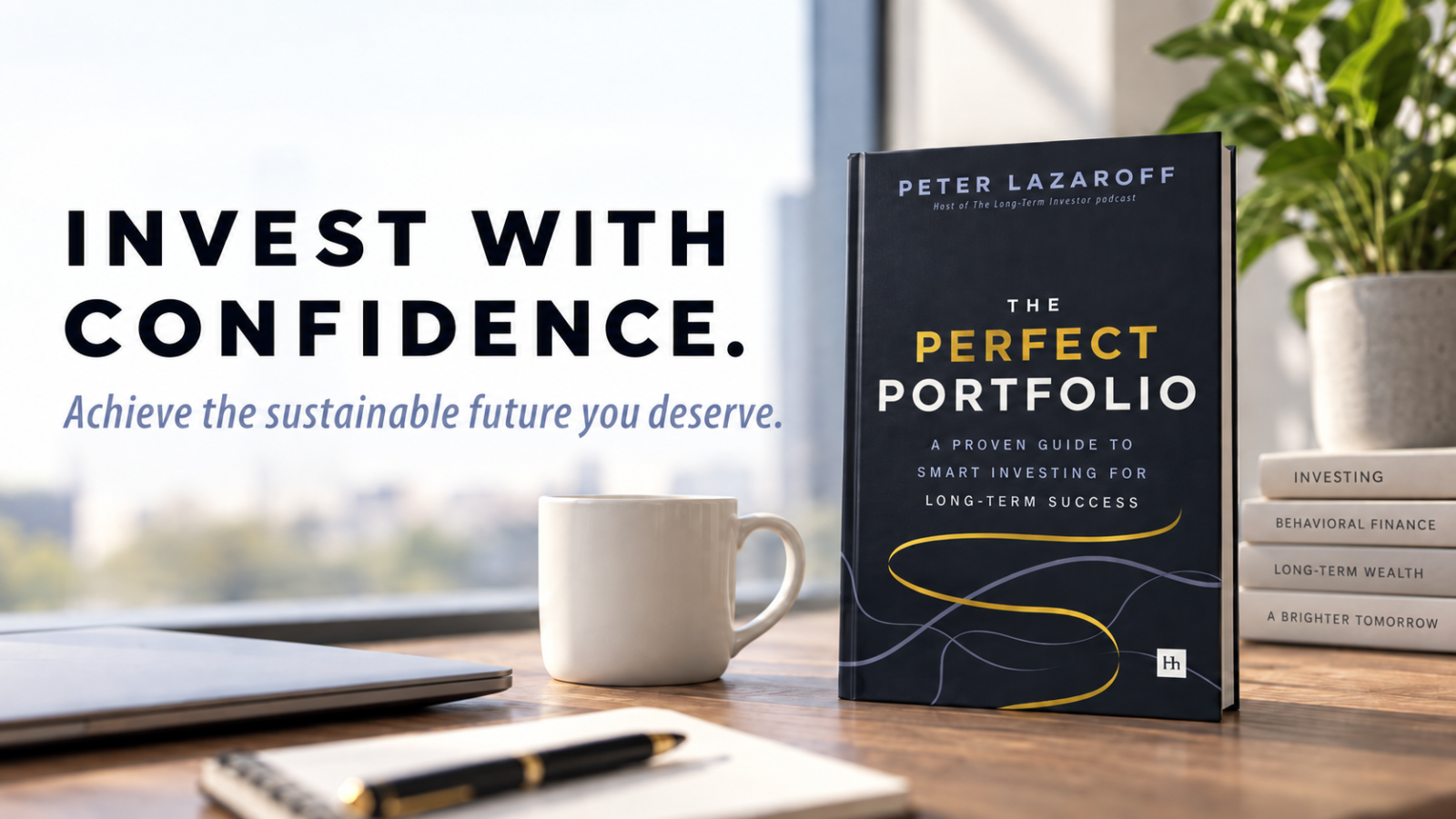
With predictions, hot takes and stock tips circling news feeds from cable to your group chat, the temptation to flood your portfolio with bets on the next winner is stronger than ever.
After two decades helping investors navigate markets (come bear or bull), Peter Lazaroff, Chief Investment Officer at Plancorp Wealth Management and host of The Long-Term Investor, believes in a more disciplined approach.
In his new book, The Perfect Portfolio, Lazaroff outlines a practical, evidence-based method for building an investment strategy you can understand and maintain through every market cycle. You’ll learn to use diversification, sensible rules, and behavioral guardrails to make better decisions when uncertainty runs high.
Put down that crystal ball and start building a portfolio that fits your goals, your temperament, and the life your money is meant to support.
Viking Therapeutics Soars as Weight-Loss Drug Trial Addresses GLP-1 Weakness

Leave it to a viking to take on two jötnar, as giants were called in Old Norse.
The GLP-1 drug market radically transformed the way healthcare providers treat obesity, unlocking billions in revenue for a market now dominated by Novo’s Wegovy and Eli Lilly’s Zepbound. On Tuesday, San Diego-based Viking Therapeutics showed it’s a potential contender, too, releasing new data demonstrating that its experimental GLP-1 treatment VK2735 may address one of the medication class’s shortcomings: adherence rates. Its stock surged 35.67%.
A Dose of Less
Indianapolis-based Lilly held an imposing 61% share of the US GLP-1 weight loss and diabetes market in the second quarter, compared with Denmark-based Novo’s 39%. This year, Novo has taken the early lead in the weight loss pill race. But Lilly CEO Dave Ricks told CNBC on Monday that the company is capturing 70% of new Medicare patients taking weight-loss drugs since the program began covering obesity drugs in July.
And the GLP-1 market, unlike the benefiting waistlines, is expected to rapidly expand. Conservative Wall Street estimates suggest weight-loss drug sales could reach $100 billion by 2030. Last year, revenue from Lilly’s Zepbound totaled $13.5 billion, and Novo’s Wegovy brought in $12 billion. That indicates there’s significant room to grow, offering a sizeable opportunity to Viking.
Research has shown the adherence rates of patients on GLP-1 therapies can fall as low as 27% after one year, and clinical trial results of the company’s VK2735 suggest it could help patients keep weight off with fewer doses, offering one potential solution:
- Viking’s study found that adults with obesity who received a regular, weekly dose of VK2735 for 21 weeks lost 16.2% to 18.6% of their body weight. More importantly, when the patients were given a biweekly dose for another 12 weeks, they kept off 90% of the weight lost.
- “Flexibility for patients and providers is paramount for achieving treatment persistence leading to the long-term benefits of weight control, and these results are an important step in that direction,” Louis Aronne, a physician and former president of The Obesity Society, said in a statement.
Investor Validation: Leerink Research analysts wrote Tuesday that VK2735 could help Viking, which has a robust $500 million cash position and thus room to maneuver, carve out a “potentially differentiated profile.” Investors signaled their agreement that Tuesday’s data was a standout win for Viking, and not for its competition: Shares in Lilly and Novo were flatter than a diet soda left out in the sun.
How Many of Your KPIs Actually Steer Decisions?

A KPI only earns its place on your dashboard if it shows where the business is headed. Otherwise, it’s really just a distraction, flashing when your eyes belong on the road ahead. Bernie Smith’s KPI Checklists hands you 50 templates and process maps to cut the noise. It’s time to switch gears. Get the free ebook.
Can Alibaba Become a Serious Hyperscaler?
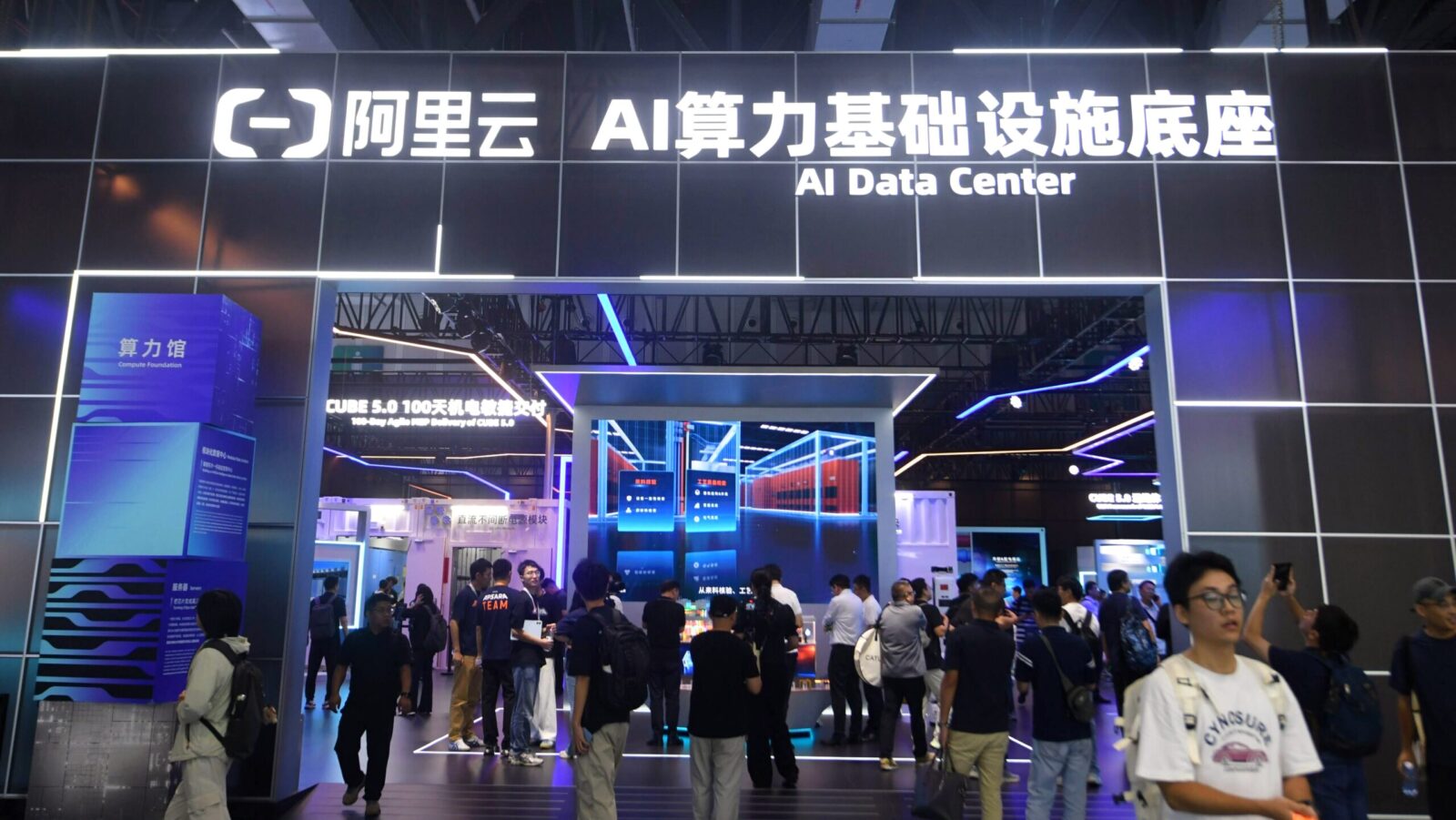
No TSMC, no Nvidia, no problem. Or so says Alibaba.
At its annual flagship Apsara Conference in Hangzhou on Tuesday (and on the eve of the summit between US and Chinese leaders), the Chinese tech giant unveiled its latest in-house AI chips, which it said are three times more powerful than the current generation. Next up? Alibaba says it’s hyperfocused on becoming a hyperscaler, with plans to operate more than 20 gigawatts of data center capacity by 2032.
Gigawatt Are You Talking About?
For context: There were about 82 gigawatts of global data center capacity at the end of last year, according to a McKinsey report published in June. China was home to about 20 gigawatts, while the US was home to about 36, per the report. And while US hyperscalers tend to keep their own capacity quite opaque, Bloomberg reported earlier this month that Microsoft, a leading hyperscaler, currently operates about 12 gigawatts worth of data centers, with plans to expand to 38 gigawatts by 2032.
In other words, Alibaba’s big push may bring it into the Big Leagues, but only barely. Then again, massive capacity or not, data centers are only as good as the chips inside them:
- The company’s newly unveiled chip, the Zhenwu V900, is slated for mass production and commercial release in the first quarter of next year.
- Still, Alibaba says it’s a big upgrade from its last chip, the Zhenwu M890, which it released in May. According to most experts, that chip has been used as a domestic substitute for Nvidia’s H200 chip, which is only available to Chinese companies in specific cases; Nvidia has now made two new generations of chips since the H200, with a third launching soon.
Trade Deadline: Closing the tech gap will be crucial for Chinese AI firms. US Trade Representative Jamieson Greer has made clear that easing export controls on cutting-edge semiconductors will not be on the table as Chinese President Xi Jinping meets with US President Donald Trump this week in Washington, though it does seem there’s some mutual interest in establishing AI safety guardrails. At least everyone can agree that a non-zero chance of human extinction is in no one’s best interest.