Viking Therapeutics Soars as Weight-Loss Drug Trial Addresses GLP-1 Weakness
Research has shown the adherence rates of patients on GLP-1 therapies can fall as low as 27% after one year.
Sign up for smart news, insights, and analysis on the biggest financial stories of the day.

Leave it to a viking to take on two jötnar, as giants were called in Old Norse.
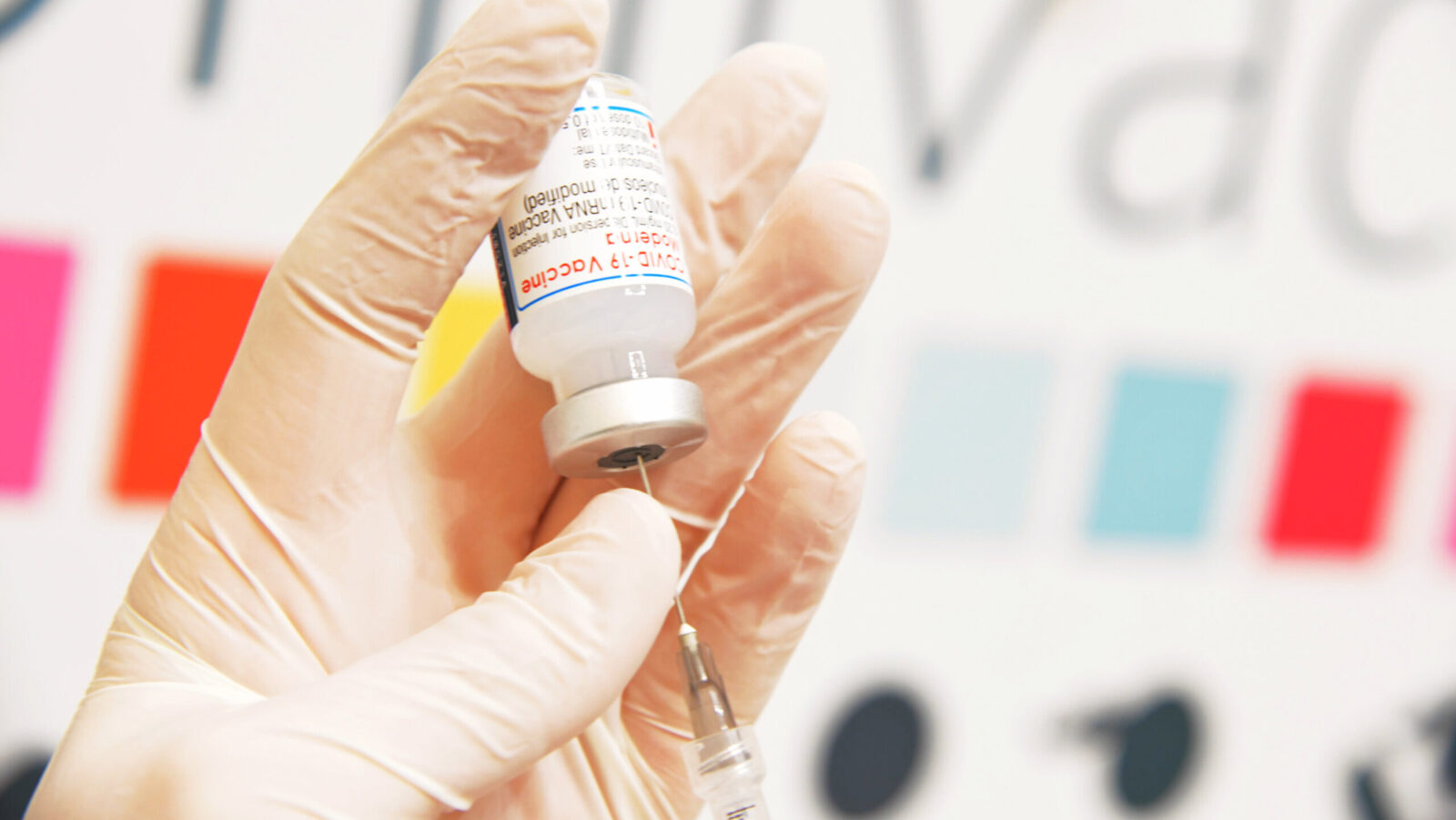
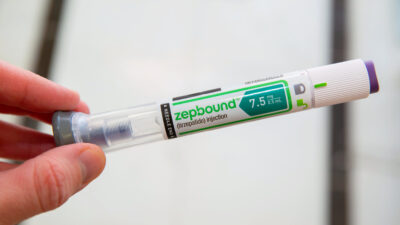
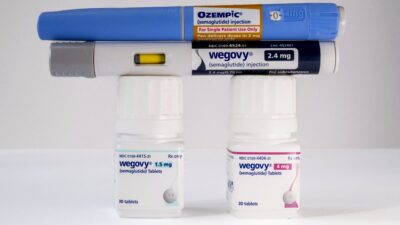
The GLP-1 drug market radically transformed the way healthcare providers treat obesity, unlocking billions in revenue for a market now dominated by Novo’s Wegovy and Eli Lilly’s Zepbound. On Tuesday, San Diego-based Viking Therapeutics showed it’s a potential contender, too, releasing new data demonstrating that its experimental GLP-1 treatment VK2735 may address one of the medication class’s shortcomings: adherence rates. Its stock surged 35.67%.
A Dose of Less
Indianapolis-based Lilly held an imposing 61% share of the US GLP-1 weight loss and diabetes market in the second quarter, compared with Denmark-based Novo’s 39%. This year, Novo has taken the early lead in the weight loss pill race. But Lilly CEO Dave Ricks told CNBC on Monday that the company is capturing 70% of new Medicare patients taking weight-loss drugs since the program began covering obesity drugs in July.
And the GLP-1 market, unlike the benefiting waistlines, is expected to rapidly expand. Conservative Wall Street estimates suggest weight-loss drug sales could reach $100 billion by 2030. Last year, revenue from Lilly’s Zepbound totaled $13.5 billion, and Novo’s Wegovy brought in $12 billion. That indicates there’s significant room to grow, offering a sizeable opportunity to Viking.
Research has shown the adherence rates of patients on GLP-1 therapies can fall as low as 27% after one year, and clinical trial results of the company’s VK2735 suggest it could help patients keep weight off with fewer doses, offering one potential solution:
- Viking’s study found that adults with obesity who received a regular, weekly dose of VK2735 for 21 weeks lost 16.2% to 18.6% of their body weight. More importantly, when the patients were given a biweekly dose for another 12 weeks, they kept off 90% of the weight lost.
- “Flexibility for patients and providers is paramount for achieving treatment persistence leading to the long-term benefits of weight control, and these results are an important step in that direction,” Louis Aronne, a physician and former president of The Obesity Society, said in a statement.
Investor Validation: Leerink Research analysts wrote Tuesday that VK2735 could help Viking, which has a robust $500 million cash position and thus room to maneuver, carve out a “potentially differentiated profile.” Investors signaled their agreement that Tuesday’s data was a standout win for Viking, and not for its competition: Shares in Lilly and Novo were flatter than a diet soda left out in the sun.
Recent News

-
RevMed’s Life-Saving Pancreatic Cancer Drug Wins Early FDA Approval

Photo via Revolution Medicines