

Good morning.
After almost exactly one month on the job, new Apple CEO John Ternus is starting to put his personal touch on things.
Under his direction, the tech behemoth is undergoing a minor makeover. Some middle-managers are on the way out, according to sources who spoke to Bloomberg for a story published Tuesday. Also potentially not long for the Apple tree is the company’s long-held Fall-and-Spring release schedule. Both moves reflect Ternus’ desire to accelerate product development and introduce more devices, more frequently. Not mentioned in the report? A push to accelerate production of Apple TV shows, which now routinely take years-long breaks between seasons. Severance season 2, for instance, premiered three years after its original run, while the next season of Pluribus, which concluded its first season last Christmas, isn’t expected until Summer 2028. Ternus, if you’re reading this: We’d gladly trade an off-season iPhone release for the speedy return of Widow’s Bay.
Does Smart Ring-Maker Oura’s Delayed Debut Mark an IPO Tipping Point?

In the marketplace, Oura was no ringer. The company sold 3.6 million of its smart rings, which track sleep patterns and physical activity, in the year ending June 30, capturing 2% of the entire global wearables market. It also boasts 5.7 million subscribers who pay $5.99 per month for software subscriptions.
Oura is also profitable, recording $61 million in net income in the nine months through June 2026, according to a regulatory filing earlier this month. And it expects 90% revenue growth in the fiscal year that ends today. But even with all that going for it, the company announced Tuesday it’s pausing plans for an initial public offering, signaling the IPO market may have reached an “uncertainty” tipping point.
Oura Farming
Oura planned to sell 50 million shares between $40 and $44 at a roughly $14 billion valuation, and emphasized in a statement that there was “strong demand” for its float. IPO performance in the first half of 2026 suggests a receptive market, too. Securities and Exchange Commission data released last week shows the number of US IPOs rose 16% year over year to 208 at the end of June. And the proceeds from those listings increased nearly 400% to $137 billion, boosted by SpaceX’s megacap debut.
On the other hand, macroeconomic risks have grown as the year has progressed. Investors fear AI spending could slow, energy prices and inflation might remain high and the Federal Reserve could keep hiking interest rates. Oura’s decision Tuesday was the latest signal of how heavily these concerns are weighing on pre-IPO boardrooms. Nuclear energy firm Holtec and property underwriter Bamboo Insurance also pressed pause on debuts this month, with one making the reasons abundantly clear:
- While Oura simply cited “uncertainty in the IPO market,” Holtec detailed its reasons: “rising energy costs, elevated global trade tensions, ongoing military conflicts and mounting inflation fears that have driven the central banks of major economies (EU, Japan and US) to raise their benchmark rates.”
- Those higher rates and concerns about government spending are also driving up government bond yields, with the 30-year Treasury yield reaching the highest level since 2002 on Tuesday. Wall Street analysts have warned that threatens the stock market because investors could move from equities to bonds to lock in long-term returns, which is not exactly the ideal environment for a debut.
There’s an AI in Wait: AI giant Anthropic, meanwhile, appears determined to soldier on despite delaying its IPO by a month until after November’s midterm elections. Reuters reported this week that the company has confidentially filed a prospectus, aiming to raise up to $100 billion at a $2 trillion valuation. But the money-losing firm has a need for cash, given its more than $500 billion in future infrastructure commitments. That would make many investment bankers, whose bosses have warned of a trading slowdown post-SpaceX, believe in Santa.
Colombia’s Most Prized Coffee Beans are Coming to America
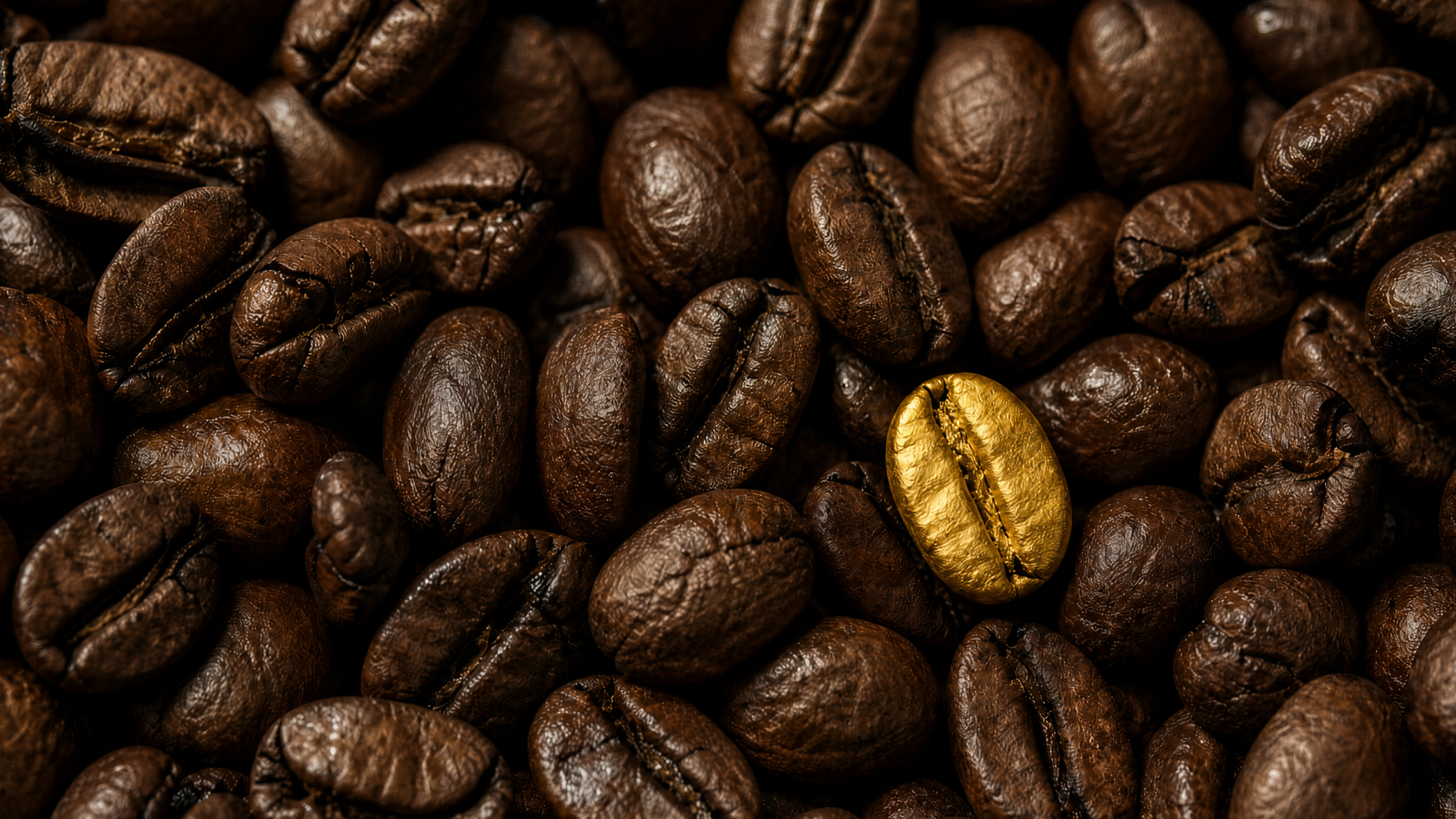
70% of Americans prefer Colombian coffee. After six decades of dominating Colombia’s coffee scene, the world-renowned brand Juan Valdez is relaunching into the $100B US coffee market.
None of it would be possible without Green Coffee Company (GCC), who holds the exclusive distribution rights to Juan Valdez across the US and Canada.
Juan Valdez has pioneered the single-origin coffee category in the US, at one point garnering more brand recognition than Nike. Once GCC introduced it to American shelves, its presence grew 445% in Target locations, driven by consumer demand alone.
After beating its 3,000-store goal for the year early, GCC has hundreds more in the pipeline.
Goldman Sachs Considers Its Next CEO
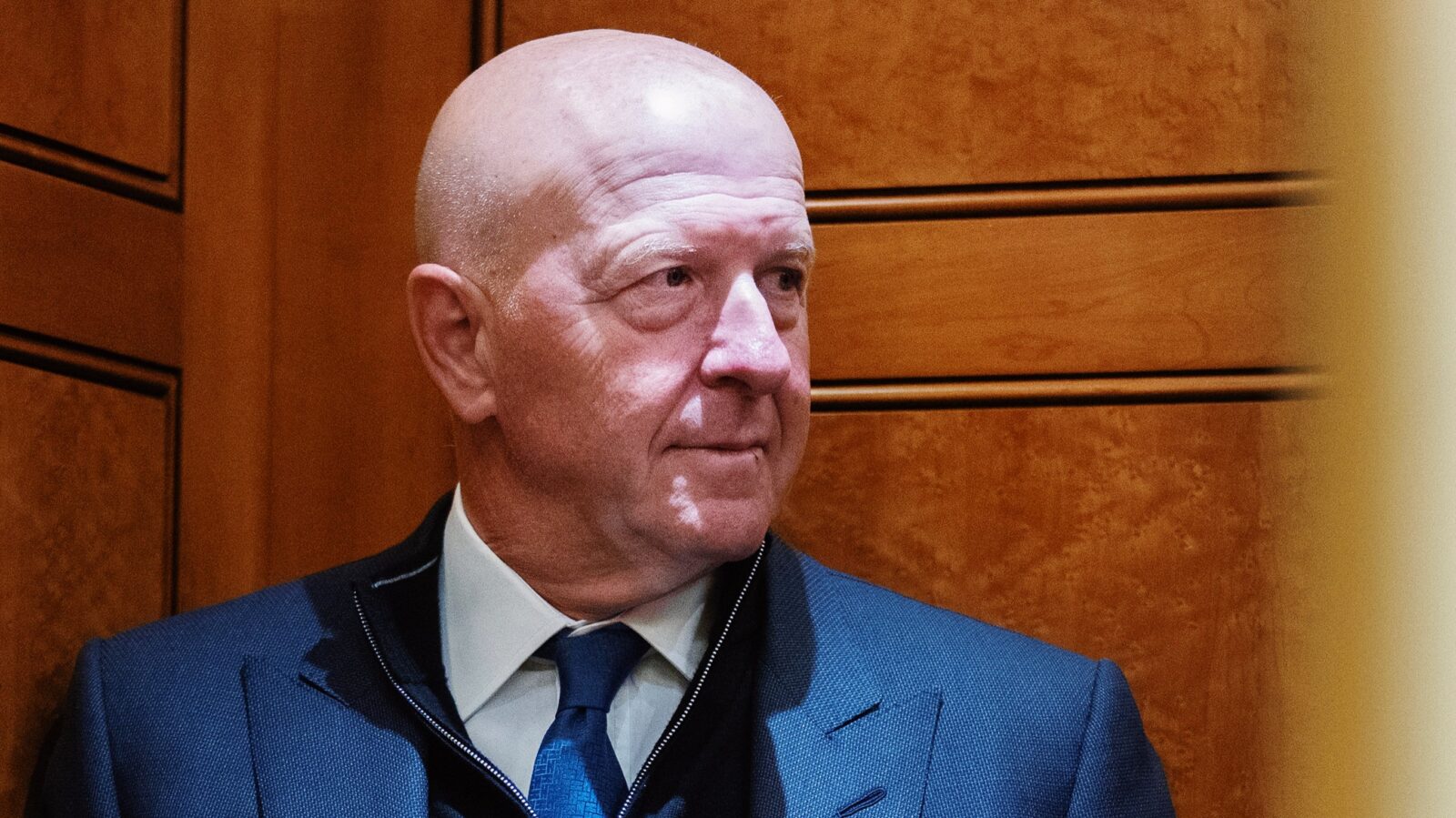
You may soon be able to catch another set by DJ D-Sol.
Goldman Sachs’ board has been discussing disc-spinning CEO David Solomon stepping down and Chief Operating Officer John Waldron taking the reins around the end of next year or early 2028, The Wall Street Journal reported, citing people familiar with the matter. Waldron joined the bank at the turn of the century, about a year after Solomon. When Solomon took over as chief executive, he gave Waldron the firm’s second-most important job.
Waldron has long been seen as Solomon’s successor; the firm even offered him $80 million last year to stick around.
Sorry, Marcus
While client assets in Goldman’s management division have climbed to $1.9 trillion, according to the most recent annual report, Solomon’s tenure hasn’t been without challenges. The bank faced a post-pandemic dealmaking slump, and Solomon himself faced wide criticism for his personal leadership approach (New York Magazine asked in a headline whether he was “too big a jerk” to run the firm). He also gave up public DJ-ing after negative headlines, the Journal reported.
But by far the biggest misstep has been Goldman’s push into consumer banking. Under Solomon’s predecessor, the firm introduced high-interest accounts and loans in hopes of capturing the retail market. Solomon helped expand the consumer offerings, and the move backfired. In 2022, Goldman folded its digital consumer bank Marcus into its asset and wealth management business. In 2023, the bank disclosed $3 billion in losses related to that area of the business since the end of 2020. It also got dinged to the tune of $65 million by the Consumer Financial Protection Bureau (CFPB) for mishandling customer disputes related to the consumer credit cards it issued in partnership with Apple.
If Waldron does snag the top job, it’s fair to expect a continued shift away from the consumer market toward Goldman’s core offerings:
- Waldron has held several positions in the firm’s investment banking arm, including co-head of leveraged finance and co-head of the investment banking division. He has worked closely with Solomon in recent years to reshape Goldman’s strategy, which is anchored in global banking, markets and asset management.
- According to the Journal, Waldron has acted as a sounding board for Goldman leaders and partners who had doubts about which way the company was headed, including its foray into consumer lending.
AI Everywhere: Like many of its peers, Goldman is going all in on automation, and Waldron is credited with creating its AI transformation initiative “OneGS 3.0,” according to Reuters. Earlier this year, he told CNBC that the firm is “a human assembly line” that will become more digitized.
Would You Stick by Your Portfolio in a Selloff?

Depends whether you built it around your goals or a week’s worth of trending tickers (you’ll need a strong stomach for the latter). Peter Lazaroff, Chief Investment Officer and host of The Long-Term Investor, wrote The Perfect Portfolio to help you build one you can maintain through every market cycle. Order your copy.**