M&A corner PRESENTED BY
What’s Really Happening with Advisor M&A? We Sat Down with Plancorp’s Chris Kerckhoff to Find Out
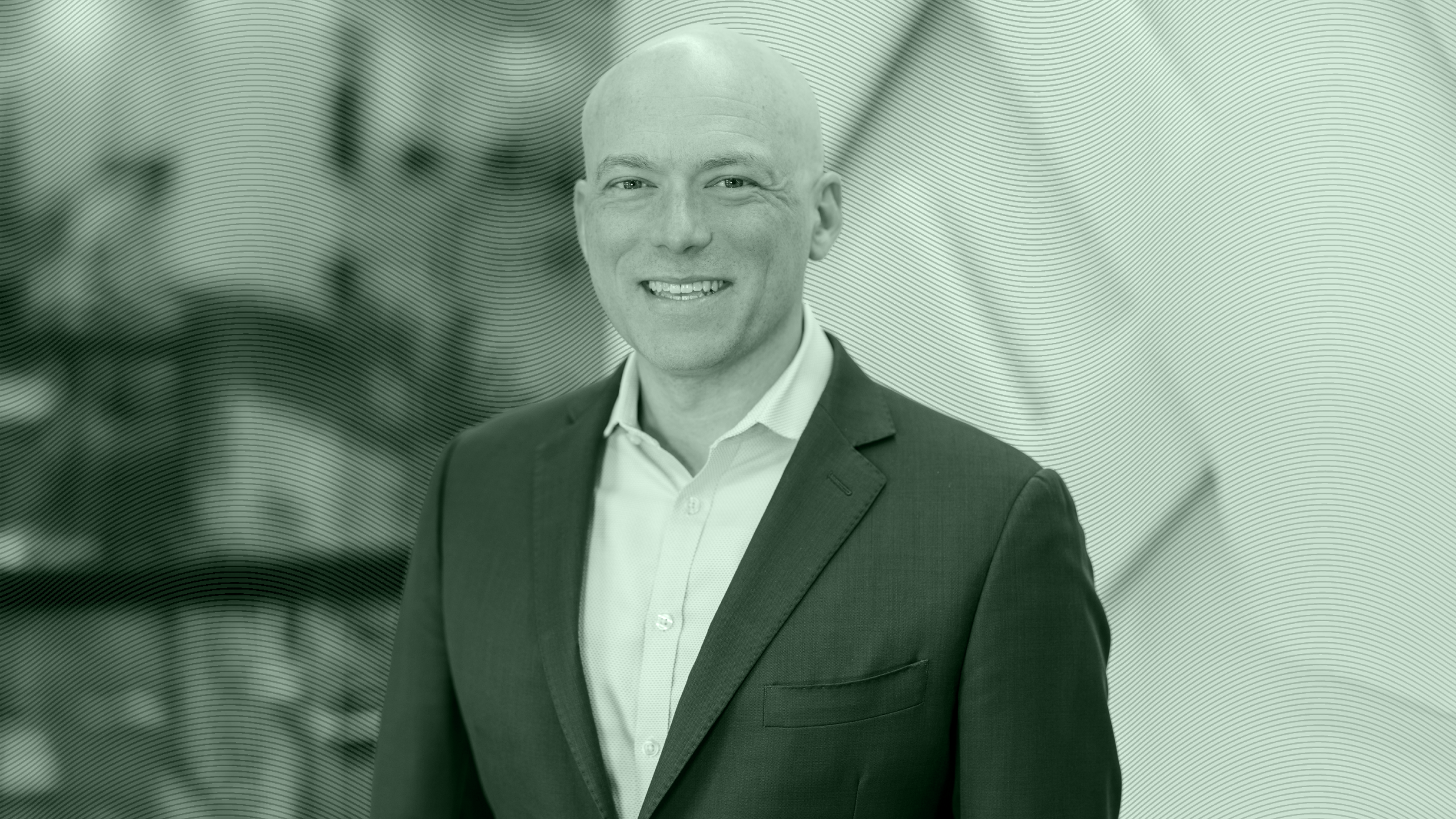
Plancorp Wealth Management recently announced a deal to acquire Regency Investment Advisors, an independent RIA based out of California. It was the firm’s first meaningful deal in its history.
The deal punctuates what has been a great decade and a half of growth for Plancorp, going from $1 billion in AUM in 2010 to over $8 billion at the beginning of the year. The deal will tick them up to roughly $9.6 billion.
For Plancorp it’s not just about growth, clients are at the center of the plan.
Read on to learn more about why Plancorp did this deal, and what they believe makes a great M&A deal.
Q: The RIA industry is at an inflection point. What do you think the industry gets wrong about consolidation, and where should it be focusing instead?
A: I always hesitate to say someone’s doing something ‘wrong’ because there are many paths to success. But I think the industry often treats consolidation as a solution, when it’s really just an outcome — and too often a forced one. Too much of the conversation starts with valuation and urgency, rather than goals and durability.
What gets lost is most of the real risks firms face today: client experience erosion, leadership bottlenecks, governance gaps, and a tight talent market. Those aren’t solved by scale alone. In fact, consolidation can amplify those issues if the underlying foundation isn’t strong.
The industry would be better served focusing on intentional firm design: codifying client care, building real leadership capacity, clarifying governance, and creating effective ownership structures, not just chasing an exit. Firms that do that well retain optionality. They can stay independent, pursue internal succession, or partner on their own terms — rather than being pushed into consolidation by concerns about complexity or fatigue.
Q: Plancorp recently had its first major acquisition in 40 years. What was that experience like, and how has it shaped your philosophy around M&A moving forward?
A: It was both validating and humbling.
Validating because it tested our belief that integration and a partnership matter more than optics or speed. Humbling because there’s no nice way to say it: integration is hard. You don’t really know whether your systems, structure, and client experience are durable until you put them to the test.
What the experience has reinforced for us is that M&A is not a shortcut. There’s a lot of hard work involved but It’s an opportunity to ensure client care is clearly defined and prioritized. When done well, integration creates consistency, which is something I’m excited about.
In general, I’d say we will continue to see M&A as a way to extend a well-built foundation and attract additional talented team members. Finding like-minded firms looking to raise their ceiling is the key.
Q: You’ve said this isn’t about “getting bigger,” but about “growing better.” How do you define success for this acquisition 12–24 months from now?
A: You know, I think we all see a lot of the media around acquisitions in our feeds and inboxes. While you see a lot of headlines focused on AUM, eye-popping valuations, and expanded ownership groups, you don’t see the follow-up pieces X months down the road about how it went. Are the clients happy? Do the teams have good career paths? Is everyone operating from the same playbook?
That’s how I’m measuring success. If 12–24 months from now the combined firm feels more resilient and cohesive with clients that feel even more confident about their financial future, we’ll know we did it right.
I’d also be remiss if I didn’t mention that we’ve set the bar exceptionally high in terms of a culture and mindset fit with this acquisition. We were very lucky in that our respective teams had similar values. So, to me, growing better means we’re not stretching everyone thinner, we’re strengthening a cohesive offering that is valuable for clients and enhances the employee experience.
Q: You previously emphasized full integration of brand, systems, and operations. Why does this create the greatest long-term value for clients, advisors, and the business?
A: Partial integration can expedite deals and make things more comfortable in the short term, but there’s a cost over time. A big one, in my opinion.
From a client perspective, fragmentation breeds inconsistency. From an advisor perspective, it creates confusion about standards, accountability, and career paths. And from a business perspective, it compounds complexity in a lot of non-ideal ways.
Full integration forces clarity and nurtures innovation. If you have finite resources, how do you want to spend them? With one client experience, one operating system, and a shared sense of purpose, the time of your team can go toward making things better across the board, not just making something disjointed work.
It’s a smart business move, too. Long-term value isn’t created in silos. A firm that can consistently grow, provide a great experience, and make good strategic decisions, is what drives the most value.
Q: Plancorp has grown organically from roughly $1B to over $8B since 2010 and is consistently ranked among top RIAs. What’s been the main driver of that success?
A: The common thread has been intentionality. Our focus was on defined client care, leadership roles that drive the business forward, governance that removes ambiguity and ownership pathways that reward long-term commitment. This allowed us to put resources into operations, marketing, and our leading tech stack.
Being thoughtful about all of those decisions is important to building trust. Client trust, employee trust, and shareholder trust. It doesn’t sound flashy, but organic growth followed naturally from consistency and an experience clients want to refer.
Q: Plancorp has an explicit goal of being the destination for the industry’s best advisors. How is Plancorp creating that, operationally and culturally?
A: The next big challenge in our industry is going to be talent. There are many disruptors like consolidation, technology, etc. But at the end of the day, great advisors are the scarce resource.
Operationally, that means clear roles, consistent client standards, real leadership support, and a path to ownership that doesn’t require waiting for someone else to exit. Culturally, it means alignment around client-first values and long-term thinking.
In short, I’m less worried about being the biggest firm and more focused on ways we can make Plancorp a great place to launch and grow a career. If we can inspire the same confidence we do for clients in our team, we’re succeeding.
Q: What’s next for Plancorp? Should we expect more acquisitions, or will growth continue to be primarily organic?
A: Change is a constant but here’s what I know for sure:
- Growth is a focus for the firm, and the baseline for that growth is always going to be differentiated organic strategies. We’re not growing to meet a quota, but to be able to invest back into our people and technology to serve our clients.
- We’re not building a roll-up. We’re building an enduring organization that can thoughtfully integrate partners who align with our standards of client care, leadership, and culture.
- All that said, we think smart acquisitions are a part of the plan. It’s a great way to leverage and enhance the platform, add great talent, expand into growing markets etc. There are many benefits that we aren’t ignoring, but we aren’t dependent on them.
If acquisitions accelerate, it will be because the foundation supports it and we are progressing towards our vision: striving to be the destination for the best advisors.The goal is to preserve flexibility and optionality, not chase every opportunity. With great people on the team, we can build the future of wealth management together.
Want to see where Plancorp is headed next? Connect with Chris on LinkedIn for exclusive updates on the firm’s path, future cohort opportunities, and the milestones they’re hitting along the way.
Recent News
-
Why Schwab Hiked Minimum Assets to $5M for Client Referral Program

Photo by Getty Images via Unsplash -
Money Markets Are Still Having a Moment
Photo by David Trinks via Unsplash -
Nvidia Invites Investor Scrutiny of Capital Spending With Perplexity Talks

Photo via Yonhap News/YNA/Newscom -
Exxon to Boost Crude Output by Automating Permian Basin Rigs

Photo via Noushad Variyattiyakkal/ZUMAPRESS/Newscom -
O, Canada: Trade Faceoff With US Snarls Automobile, Steel Markets
Photo via Xinhua/Sipa USA/Newscom -
Why Goldman Is Expanding Investor Access to Private Markets
Photo via Thomas Fuller/ZUMAPRESS/Newscom -
Wells Fargo Conceives a High Rating for the Fertility-Benefits Biz
Photo by Jessica Rockowitz via Unsplash -
Anti-Data-Center Fever Sweeps America, Stalling Construction
Photo via Jim West/UCG/Universal Images Group/Newscom -
Warsh Goes to Wyoming. Will He Bring an Inflation Plan?
Photo by James Ohlerking via Unsplash -
T. Rowe Price Bets Big on Fixed Income With F/m Deal
Photo by Elton Sa via Unsplash