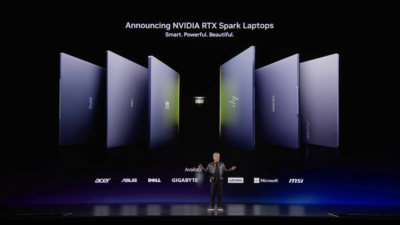
The official unveiling of Nvidia’s new chip architecture, dubbed the Vera Rubin, wasn’t expected until later this spring.
Our daily email brings you smart and engaging news and analysis on the biggest stories in business and finance. For free.

With an estimated half a million workers needed to fill the construction industry’s labor shortages, AI investments this year may get stalled.
Reducing exposure to top tech stocks such as Alphabet, Nvidia and Tesla and keeping an eye on valuations are among advisors’ top priorities.
The Chinese government has discouraged companies and government-funded data centers from buying Nvidia’s chips.
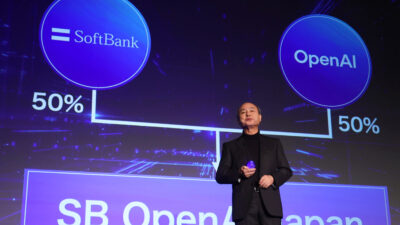
Deals with Meta, Nvidia and Softbank underscore concerns that Oracle is overexposed to a possible AI bubble.
In memo this week, Altman promised the release of a new reasoning model next week that bests Google’s Gemini.
Gemini was trained on Google’s in-house chips, which look like a cheaper and more efficient alternative to Nvidia’s cutting-edge products.
ETF investors can feel the magic between A and I. It’s why they say they’re loading up on funds.
Digital asset treasury companies are grappling with the law of diminishing returns in the midst of a cryptocurrency swoon. What’s next?
Nvidia faced “the tough task of meeting high earnings expectations and high skepticism around AI capex,” per analysts at Bank of America.
The cult hero/curiosity has launched a social media broadside against the AI trade that has fueled this year’s market rally.
The system Nvidia wants to patent would spread out and balancing GPUs’ capacity to help avoid problems as demand ramps up in AI data centers.
CFO Yoshimitsu Goto said on an earnings call that SoftBank’s divestment had “nothing to do with Nvidia itself.”
The $38 billion deal with Amazon is somehow small potatoes compared to some of OpenAI’s other gigantic agreements.
The 10 most valuable US companies had a market capitalization of nearly $24.4 trillion as of October