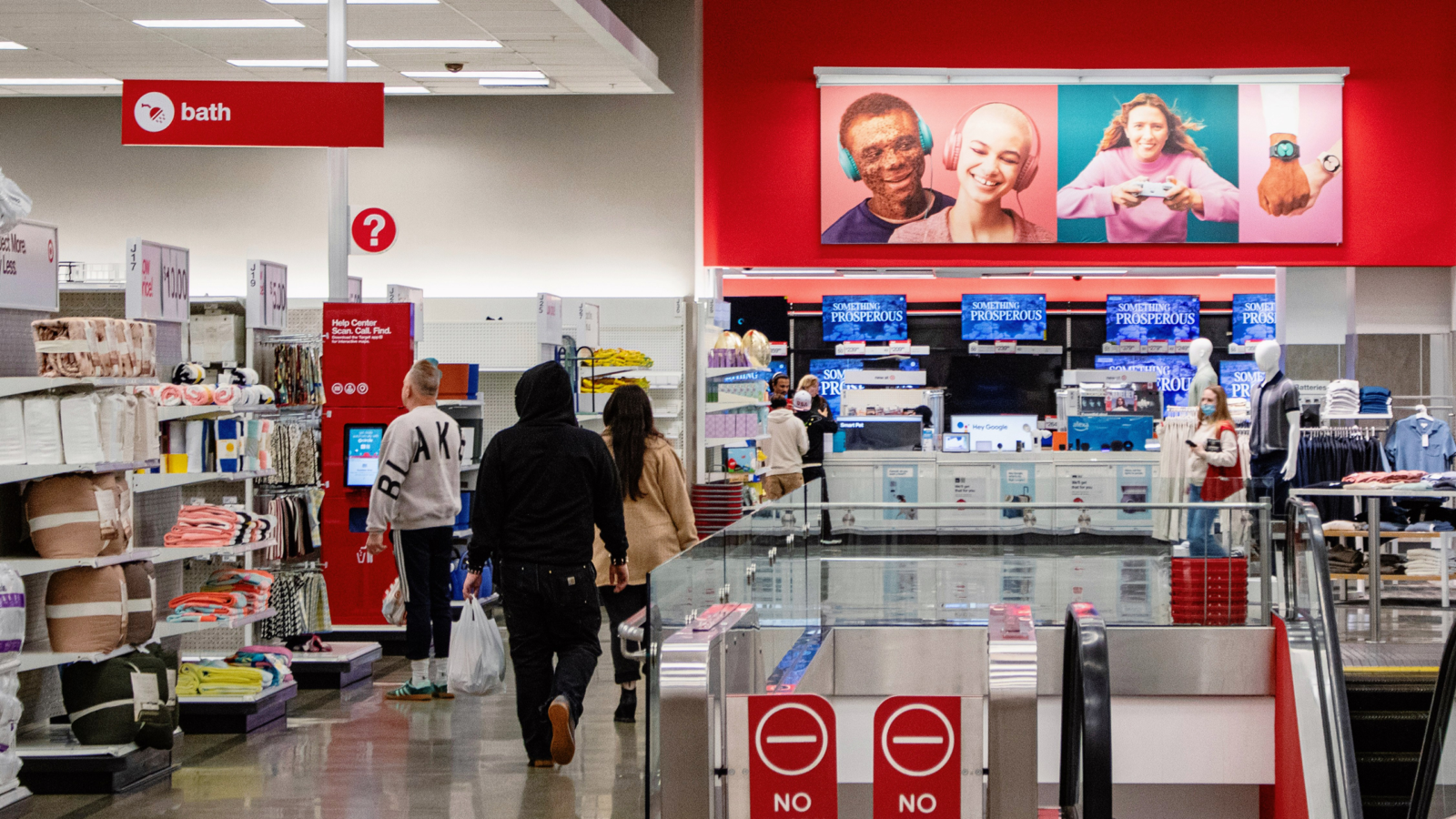
If the US consumer is the engine driving the economy, then some funky noises are coming from underneath the hood.
Our daily email brings you smart and engaging news and analysis on the biggest stories in business and finance. For free.
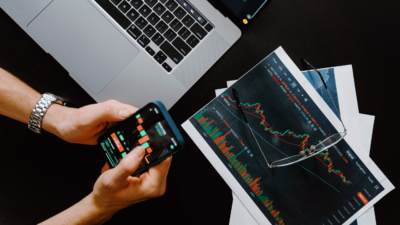
Simply put: too many prospective buyers remain priced out of the market. And tariffs aren’t likely to bring prices down.
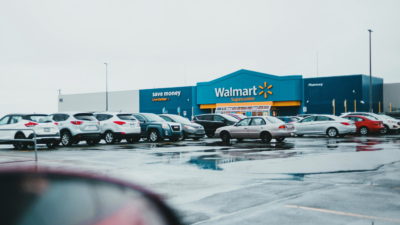
Walmart said Thursday that it made a record $681 billion in sales, and yet its shares had their worst day in three years, tumbling 6.5%.
The prices that were supposed to be going down “starting on Day One,” as the White House promised, are going up instead.
Shares of US steel and aluminum companies rose Monday, bolstered by a fresh round of tariff threats from the Trump administration.
Markets, which began the day in an initial panic as Trump promised tariffs, recovered to a more cautionary footing.
The stakes could hardly be larger for General Motors, which pitched a simple message to investors: We have a plan and the future is bright.
The Trump 2.0 era may have officially begun this week, but the much-hyped tariff-fueled trade war has not. At least, not yet.
While they can’t predict the future, financial advisors are placing their bets on active investments, quantum computing, and more.
Call the considerations, which could have knock-off effects on global currency markets, a yuan-sided argument.
The world’s factory is slowing down and it might have nothing to do with the tariffs promised by the Trump 2.0 administration.
Beijing’s move came swiftly in response to the White House’s decision to slap new curbs on exports of vital chip components to China.
Trump promised in a Truth post to levy via 25% tariffs “on ALL products coming into the United States” from Mexico and Canada.
Just in time for Trump 2.0, China is on pace for history’s first $1 trillion trade surplus by a single nation, according to Bloomberg.
Of 12 major developed-market central banks, eight are in rate-cutting mode, with Australia, Norway, Japan, and Taiwan the odd men out.
The US and Mexico will apply tariffs to some US steel and aluminum imports to keep Chinese metals from entering America.