Anthropic Tussles with Pentagon as AI Goes to War
Anthropic is insisting that its AI shouldn’t be used for surveillance or the development of automated weapons.
Sign up for smart news, insights, and analysis on the biggest financial stories of the day.

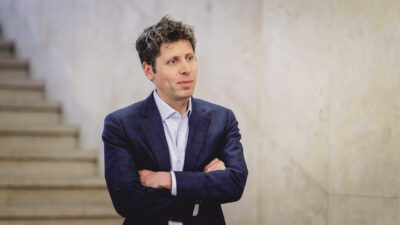
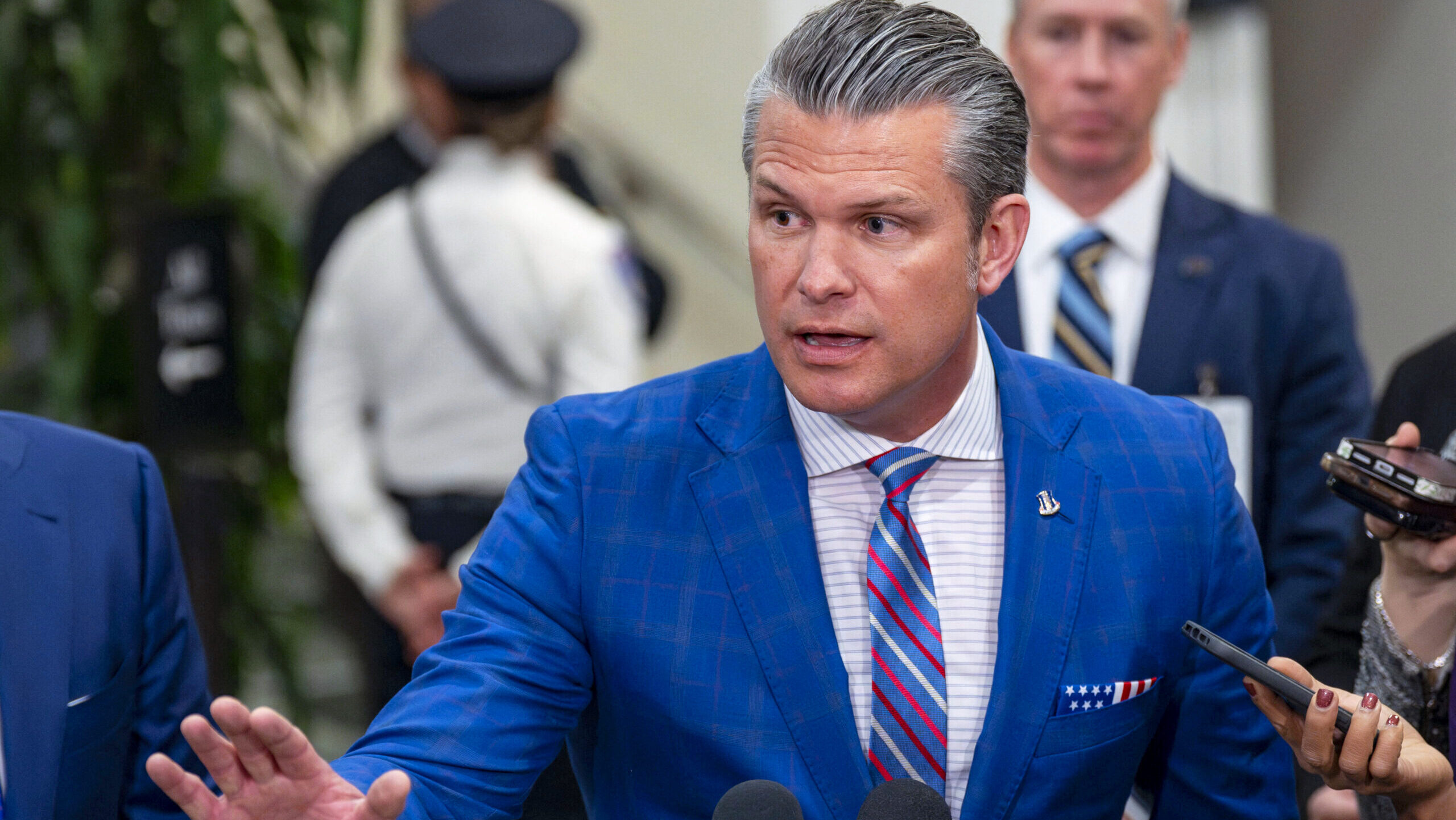
AI is headed to the front lines, with Anthropic’s Claude reportedly playing a role in the military operation that captured Venezuelan president Nicolas Maduro last month. Anthropic CEO Dario Amodei is expected to meet with Defense Secretary Pete Hegseth today to discuss the military’s use of its AI model.
It likely won’t be a friendly chat, with the focus on an ideological disagreement. Anthropic insists its AI shouldn’t be used for domestic surveillance or the development of automated weapons. But the Pentagon expects unfettered access to the product of the company it has a $200 million contract with.
That contract could be in jeopardy if Anthropic refuses to budge, especially as other tech companies clamor for a piece of defense spending.
Booming Budgets
President Trump’s budget plan for this year calls for $1 trillion in defense spending, and he suggested last month that he wants to up that bigger-than-ever allocation to $1.5 trillion. AI is shaping up to be a key part of that plan, with the Defense Department last month publishing its “AI Acceleration Strategy,” which calls for the US to have “the world’s undisputed AI-enabled fighting force.”
Major contractors, including Boeing and Northrop Grumman, have historically held the biggest piece of the Pentagon’s spending pie (92%, defense software company Govini told Reuters). But tech companies, after years of maintaining a degree of separation from the military, are now sporting military fatigues:
- Claude’s the only AI model operating in the military’s classified systems, but Anthropic’s not the only AI giant with a Pentagon deal. Google, OpenAI and xAI were also awarded contracts last year that leverage their AI tools.
- Startups are also earning a bigger share of defense spending as they develop tech for the front lines. Scale AI, a startup Meta’s investing more than $14 billion in, has teamed up with Anduril to develop virtual and mixed reality headsets for soldiers.
Fine Print: Tech companies are updating their terms and conditions to adapt to Trump’s defense-forward agenda. ChatGPT-maker OpenAI changed its policy from banning use of its tech for military and war purposes to allowing national security uses that align with its mission. Google’s code of conduct no longer restricts weapons development and surveillance uses as of last year. Meta, meanwhile, opened up its AI models to Lockheed Martin and Booz Allen Hamilton. Anthropic’s a rare holdout.
Recent News
-
Investors Juice BlackBerry as the SaaS-y Company Racks Up Contracts

Photo via imageBROKER/Maria Kraynova/Newscom