Caterpillar’s Surging Growth, Fueled by AI, Faces Risks From Data-Center Pushback
Despite Caterpillar’s latest earnings beat, some analysts say the equipment giant faces mounting risks from data-center opposition.
Sign up for smart news, insights, and analysis on the biggest financial stories of the day.

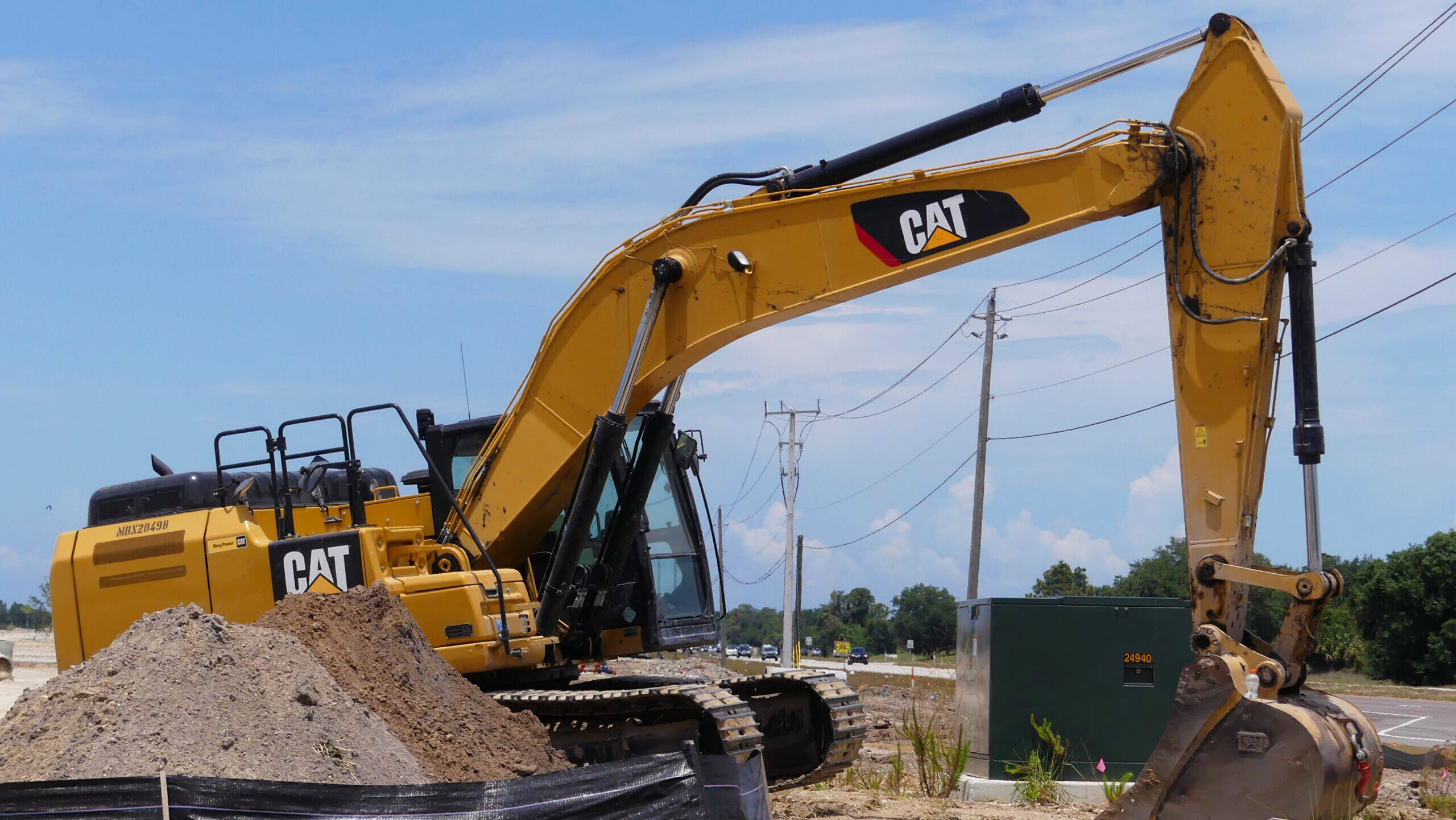
Caterpillar, it seems, has grown wings. Thanks to the massive buildout of AI data centers, the construction, mining and engineering equipment giant is booking customers faster than 4 Charles Prime Rib.
Shares in the industrial bellwether have gained 48% this year, symbolic of wider bets many investors are placing on companies that stand to benefit from the real-world infrastructure needs of hyperscalers. But despite its latest earnings beat, some notable analysts and investors say Caterpillar isn’t giving them butterflies.
Bulldozers for Buildouts
Caterpillar’s second-quarter sales rose 24% year over year to a record $20.5 billion in the second quarter, with operating profit climbing 50% to $4.3 billion. Crucially, the company’s backlog surged to $72.1 billion, up 92% from a year ago. CEO Joe Creed said on a call with analysts that some orders run to 2030, offering years of locked-in revenue. That mirrors the continued AI capex spending spree that McKinsey estimates could require up to $7 trillion in data center investments by that year, and Caterpillar is seen by many as a major beneficiary. The construction division, the provider of equipment to build those data centers, reported sales of $8.4 billion in the quarter, a 35% increase.
The stock briefly sputtered during last month’s AI selloff, with investors speculating that lavish capital spending by hyperscalers would prove unsustainable. But affirmations last week from Amazon, Microsoft, Alphabet and Meta that their aggressive spending plans are undeterred relieved the considerable anxiety. Bears, however, point to the emerging hurdle of political backlash:
- Data centers are facing one-year moratoriums in Seattle and New York state. A new Florida law bans public utilities from passing on the costs of serving large data centers to consumers.
- According to data compiled by investor Will Manidis, 18 of the 50 US states have restricted or are advancing legislation to restrict data centers, and another 16 are considering it. Baird analysts wrote last week that this new environment “raises costs, adds new development approval hurdles, limits site availability, and likely slows future investment.”
Structural Bet: Freedom Broker analyst Sergey Glinyanov told Fortune last month that Caterpillar’s doubters are overlooking an emerging structural theme: energy demand flowing to the company’s power division. Sales at the unit, which sells turbines, natural-gas generators, backup power systems and other equipment to customers looking for alternatives to aging and stressed grids, rose 17% to $8.2 billion in the second quarter.
Recent News






-
Say Hello to the New CEO. Where Will John Ternus Lead Apple?

Photo illustration by Connor Lin / The Daily Upside, Photo via Chelsea Blair/Sipa USA/Newscom