The $5 Trillion Question: Can Humanoid Robots Handle Jobs as Well as People?
Sure, these robots walk like humans and some talk like humans. But can they really perform in the workplace like humans?
Sign up for smart news, insights, and analysis on the biggest financial stories of the day.

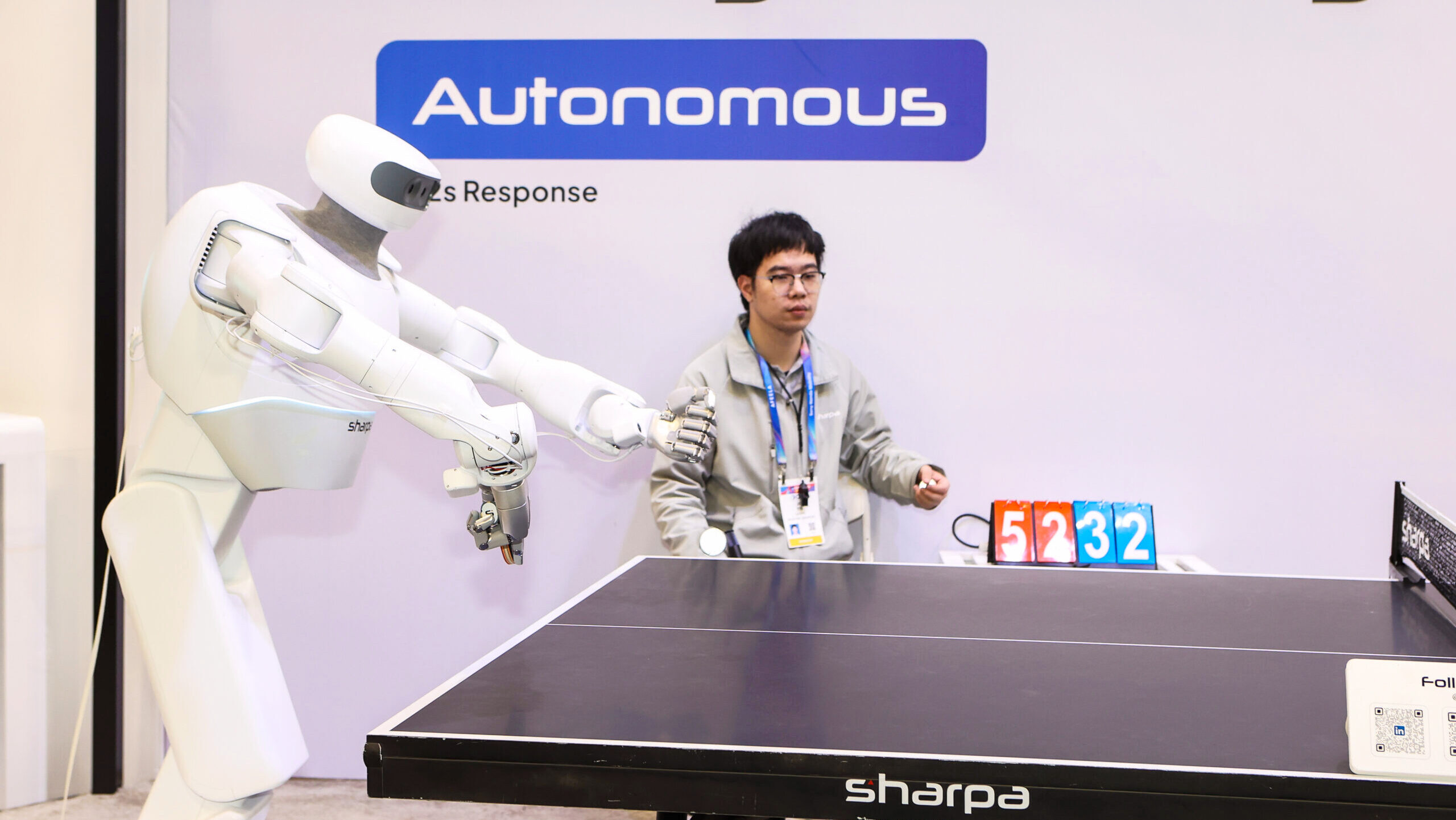
Step aside, Marty Supreme. There’s a new table-tennis champ in town: a robot from Singapore-based AI company Sharpa, which showed off its ping-pong skills (and card-dealing skills) at the Consumer Electronics Show (CES) last week.
Sharpa’s new product — which appears to boast especially dexterous hands, for robots at least — was one of countless new humanoids making a big splash at the big tech showcase. And, sure, these robots walk like humans and some talk like humans and some play ping-pong like humans. But can they really perform in the workplace like humans? Consider it the $5 trillion question.
Are We Humanoids, or Are We Dancers?
That’s how big Morgan Stanley thinks the humanoid industry could become by 2050. Over that time, the bank expects an invasion of more than 1 billion humanoids, who will dominate industrial and commercial landscapes in the coming decades. Right now, humanoids represent a roughly $2 billion market globally, by most estimates. There’s a lot of room to grow — which is why robots were such a major theme at CES this year. “Physical AI” became the conference’s biggest new buzzword, with Nvidia CEO Jensen Huang saying the “ChatGPT moment … when machines begin to understand, reason and act in the real world” is nearly upon us for humanoids.
As CES made abundantly clear, one country appears to be in the lead. “China’s humanoid robotics market is innovating at an extraordinary pace,” Nadav Orbach, founder and CEO of California-based computer-vision startup RealSense, told Bloomberg. The proof isn’t just in the chorus line of choreographed robot dancers at CES (courtesy of Chinese-firm Booster Robotics), but in the actual sales numbers, too:
- Chinese firms were responsible for the vast majority of the 13,000 humanoid robots shipped globally last year, research firm Omdia told Bloomberg last week. Industry-leader Shanghai AgiBot Innovation Technology shipped 5,168 robots on its own.
- In total, sales more than quintupled in 2025 compared with 2024, Omdia said. The Chinese models tend to be considerably cheaper than what’s expected to come out of America; AgiBot’s baseline model goes for $14,000, compared with the $20,000 to $30,000 price tag Elon Musk says Tesla’s yet-to-reach-full-production Optimus bots will go for.
Speaking of Musk, the Tesla founder knows full well the competition he’s up against. “I’m a little concerned that on the leaderboard, ranks 2 through 10 will be Chinese companies,” Musk said of the robotics market last year. (Musk, of course, has Tesla penciled in for the top spot.)
The Real Deal: Show floor party tricks are one thing, but a robot takeover is still a long way off. “Although the humanoids were the ones that grabbed everyone’s attention, and it was the best kind of eye candy for the show, we’re still a very, very long way from the commercial implementation of these,” Ben Wood, chief analyst for CCS Insight, told CNBC.
Recent News





-
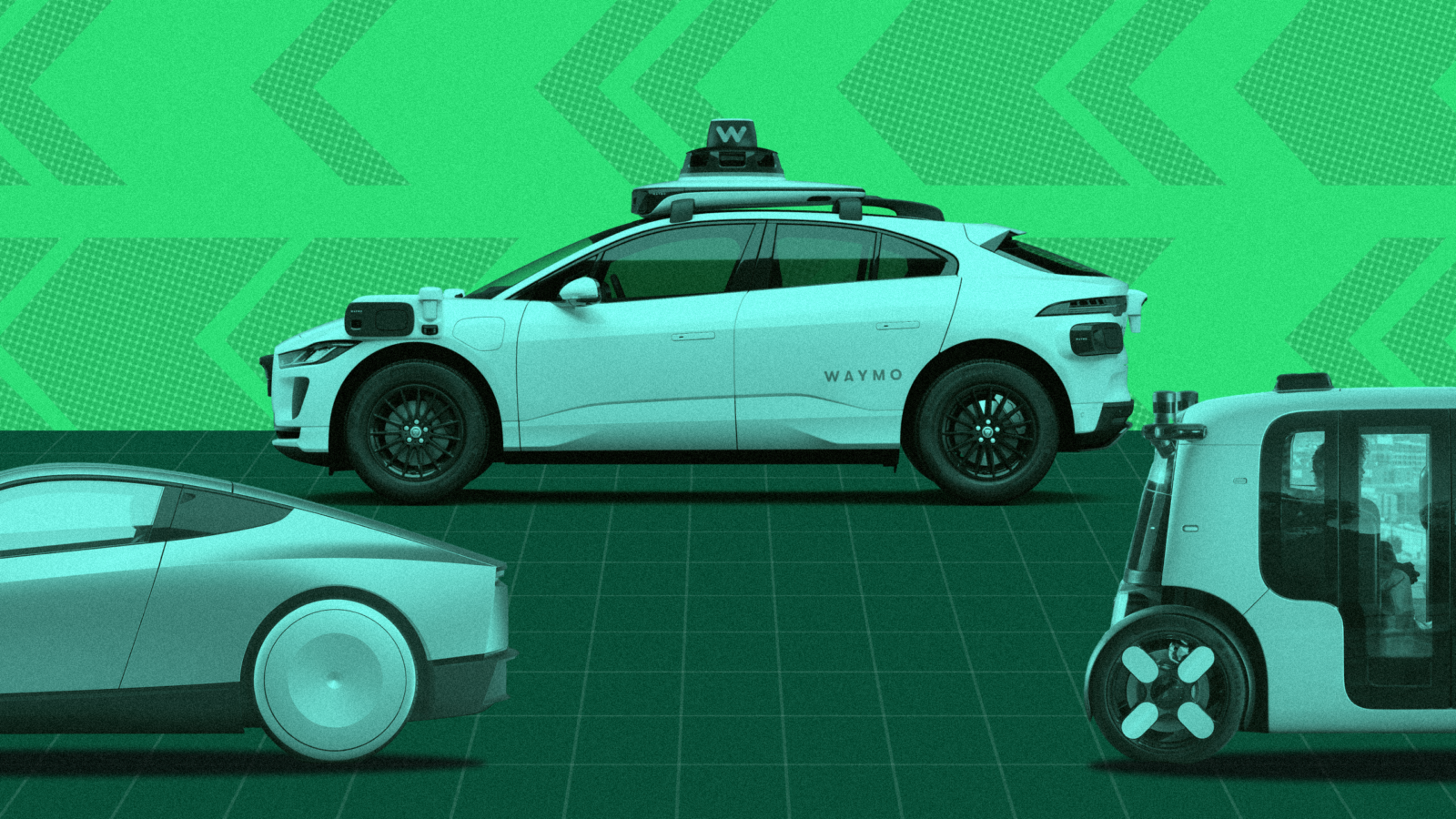
Who Will Win the Robotaxi Wars?

Photo illustration by Connor Lin / The Daily Upside, Photos via Waymo, Zoox, and Tesla