Will Doomsayers Derail Anthropic’s Mega IPO?
Anthropic’s S-1 filing with the SEC is expected to be released publicly in the coming days or weeks, and it will likely face new scrutiny.

Sign up for smart news, insights, and analysis on the biggest financial stories of the day.

Last week gave us the apocalyptic AI tweet heard around the world, though not everyone is taking it seriously. The President called it a “hoax.” The Chinese government has called it “fearmongering.”
Wall Street, however, sees it as a liability matter, especially for Anthropic. Former researcher Jacob Coxon’s doomsday warning that AI might threaten human life by the end of the decade may have gotten the world’s attention, but top company leaders calling for a slowdown in development begs new questions about Anthropic’s hotly anticipated mega IPO. The frontier AI lab’s S-1 filing with the SEC is expected to be released publicly in the coming days or weeks, and it will likely face a fair bit of scrutiny if it fails to disclose an off-chance risk of accidental human extinction.
Disclosure Day
In that case, the S-1, filed confidentially in June, might draw legal challenges from IPO investors who could claim that they’re being misled by way of purposeful omission. At minimum, John Coffee, a securities law expert at Columbia Law School, told The Economist on Monday that the company may have to amend its S-1 registration, required for an IPO, to avoid or limit its liability for securities fraud. For OpenAI, the recent tumult is reason enough (or, at least, the company’s stated reason) to delay an IPO into next year. “Given everything happening with safety, this would right now be an ill-advised moment to go public,” founder and CEO Sam Altman told Fortune over the weekend.
On the other hand, Anthropic founder and CEO Dario Amodei already has a long history of vocally outlining the potential existential risks associated with its AI. The company may well have included such risks in its SEC filings, and it still appears to be targeting the largest IPO in history, according to a recent Reuters report.
In the meantime, it has plenty to boast about as it seeks its $2 trillion valuation:
- On Sunday, a day after Amodei called on the industry to slow the pace of AI development, the Financial Times reported that the company has recently told investors it reached annualized revenue of $65 billion at the end of July, up from $9 billion in December.
- The company also said adjusted operating income, which strips out some costs including stock-based compensation, is positive for the second straight quarter, according to the FT. The company further claims to have operating margins above 80%, excluding some costs.
Power Play: In the meantime, its most pressing risk may not be an accidental AI-created plague or nuclear incident, but rather a simple lack of energy. According to a Moody’s report published Monday, AI firms will need $110 billion worth of new power plants to fuel their ambitions.
Recent News
-
-

Photo illustration by Connor Lin / The Daily Upside, Photo via Chelsea Blair/Sipa USA/Newscom


-
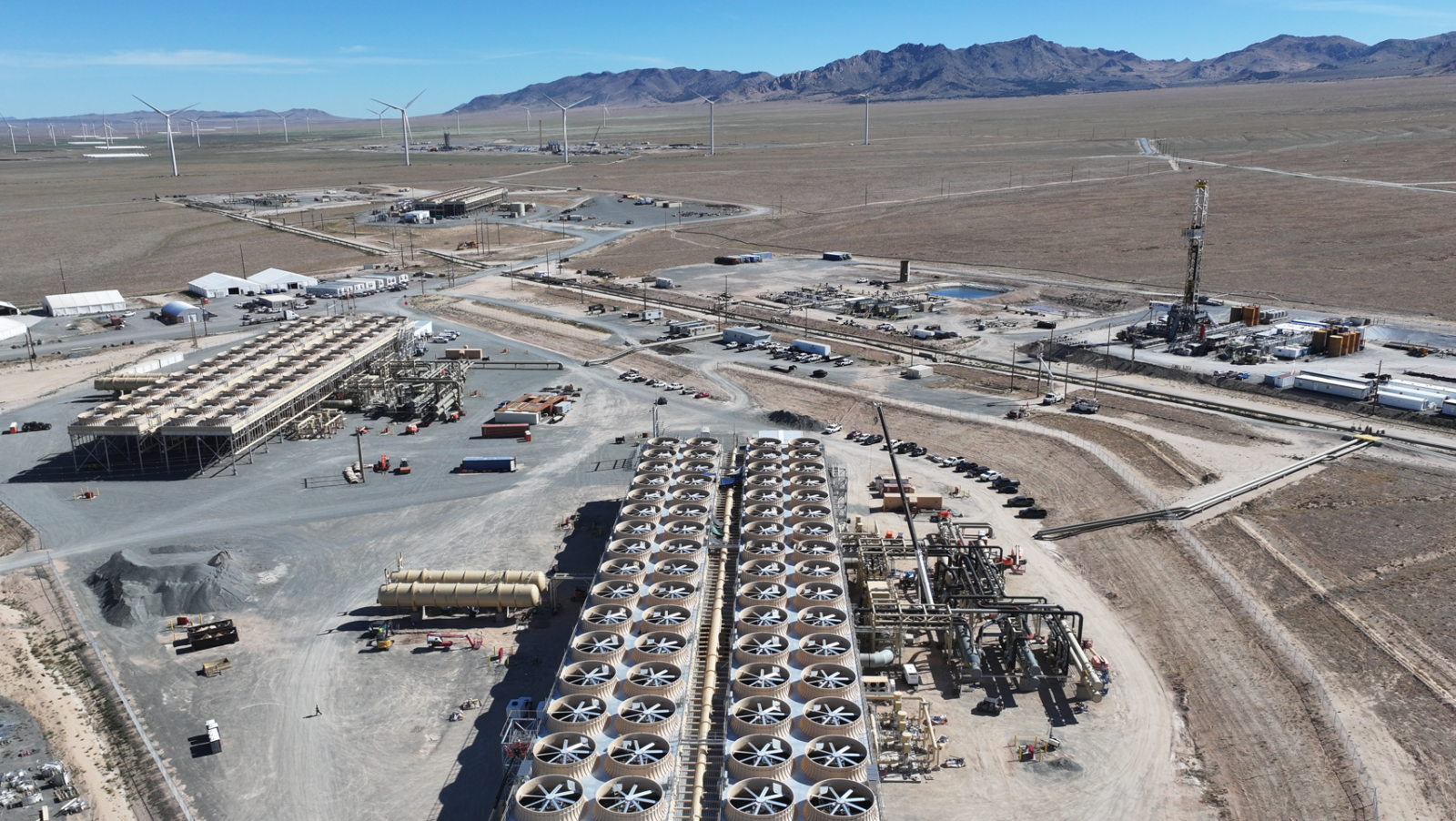
Bill Gates-Backed Fervo Energy Joins Firms Profiting From Data Center Buildout

Photo via Fervo Energy
-
Photo via Simon Shin / SOPA Images/Sipa USA/Newscom