Where Is the Love? Bumble’s Take-Private Deal Heralds Dating Apps’ Decline
Bumble’s sevenue has been in decline since 2024, and the company was on track to end its fifth consecutive year operating at a net loss.
Sign up for smart news, insights, and analysis on the biggest financial stories of the day.

We won’t go so far as to say love is dead in 2026, but love for traditional dating apps may be.
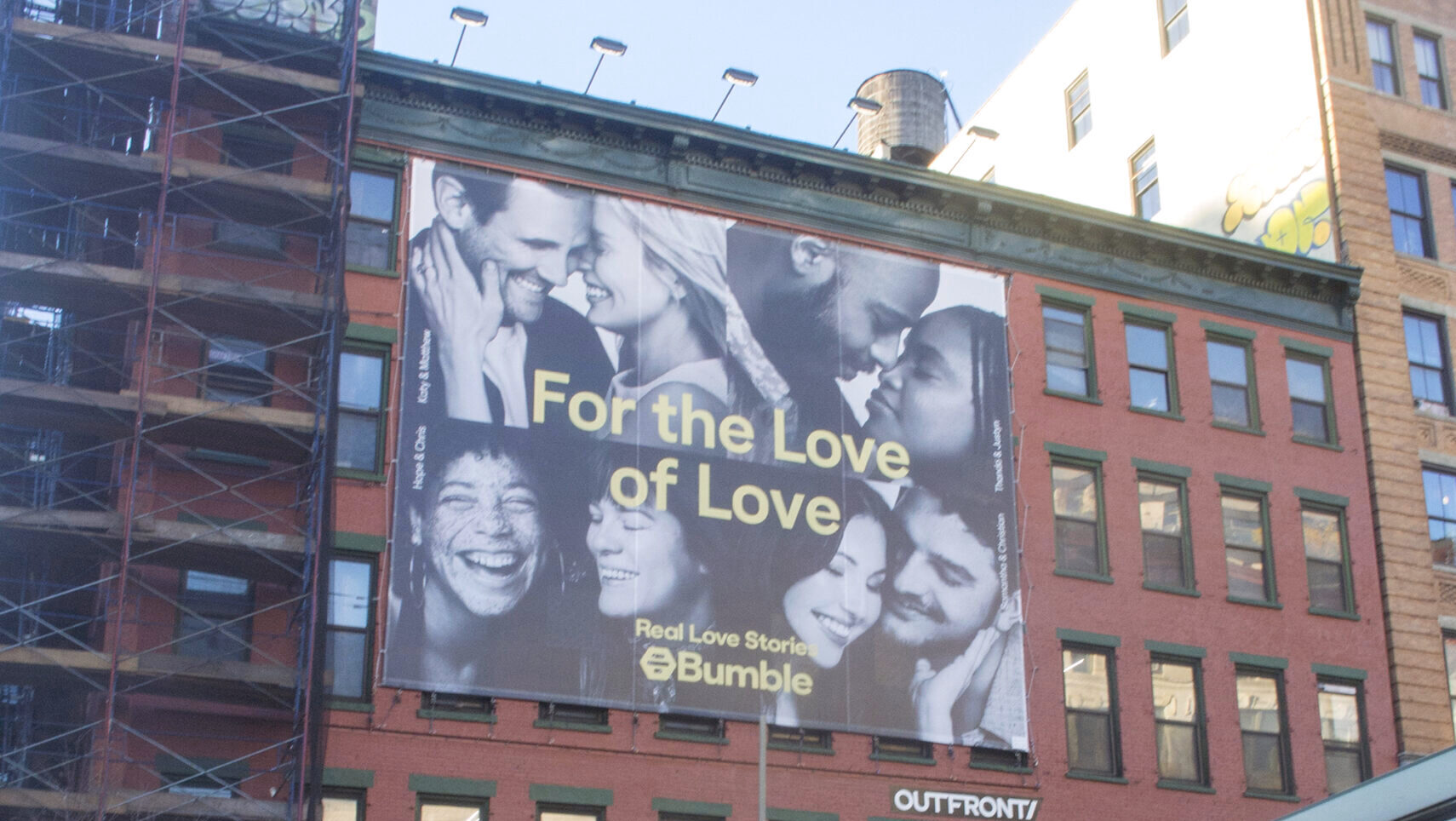
User fatigue after more than a decade of swiping, as well as the increasing threat of AI disruption has left the industry battered and broken hearted. Last week delivered the nadir of the industry’s decline, when Bumble announced it had agreed to a $1.3 billion all-cash take-private deal, roughly just five years after reaching a peak $14 billion valuation shortly following its IPO. It’s a cheap date.
Swipe Right on Reality
Bumble’s split from the stock market isn’t necessarily a shock breakup. Revenue has been in decline since a 2024 peak, and the company was on track to end its fifth consecutive year operating at a net loss. Paying users who account for nearly all of its revenue had been fleeing the platform to look for love in greener pastures. Rival and Tinder-parent Match Group, whose share price is down 75% from a 2021 peak, is facing nearly identical problems across its suite of dating apps (save for Hinge, which continues to grow amid a global rollout).
Hinge aside, everyone these days seems to be looking for love outside of the realm of left-right swipe-a-thons:
- In fact, a recent Forbes Health Survey found 79% of Gen Z and 80% of millennials reported feeling dating app burnout. The dissatisfaction has led love-seekers to look for their meet-cutes in the real world; according to an Eventbrite report, events specifically featuring the verbiage of “meet-cute” jumped 117% in the first half of the year. The kids may be alright after all.
- Still, AI is increasingly playing a role as a first date intermediary. So-called “swipeless” dating apps such as Known and Breeze use AI to match user accounts based on predicted compatibility, before suggesting and scheduling first date ideas for a fee.
All the Buzz: Bumble’s already made a few design tweaks of its own to keep up with the times. In March, it launched its AI personal dating assistant Bee, and in August Bumble said it would no longer reserve “first message” privileges for female users in heterosexual pairings. The company has said it will continue to explore AI implementation in its apps. But love and AI may mix a little too well, presenting a whole new potential headwind for Bumble and the like. Roughly 25% of US young adults believe AI can serve as a boyfriend or girlfriend, according to a survey by the Institute for Family Studies, while nearly 20% of adults said they’ve chatted with AI to simulate having a romantic partner. One story published by The Atlantic this year even found adults claiming to have married their AI companions. On second thought, the kids may not be alright …