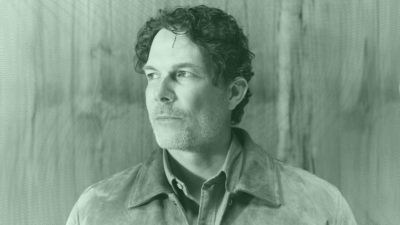
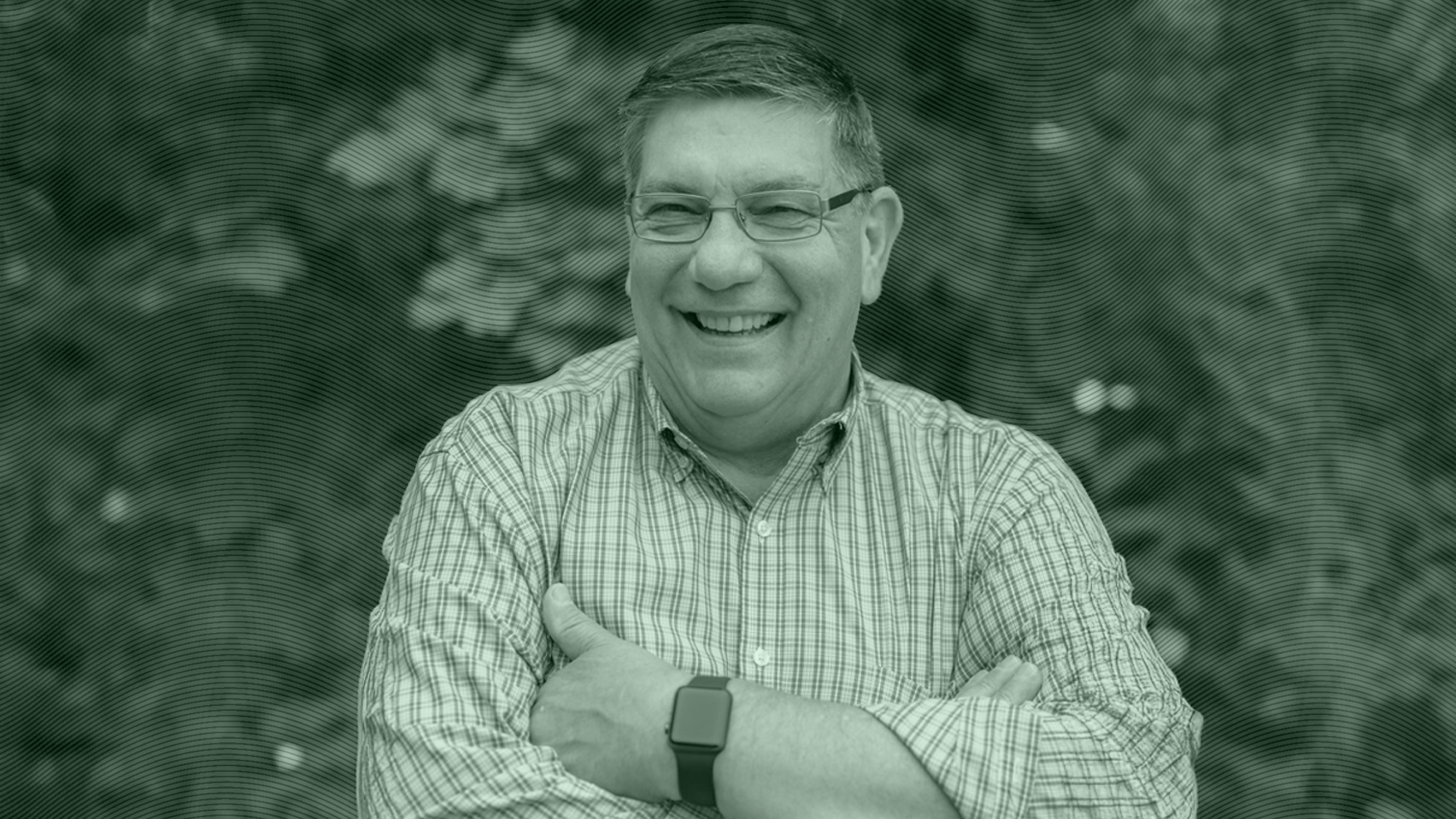
Class Is in Session with New FPA President Dan Galli
Galli’s former life as an elementary school teacher and the mindset to break down complicated topics is what drives his work as an advisor today.
Sign up for market insights, wealth management practice essentials and industry updates.

Dan Galli wasn’t always a financial advisor, but his first career has a lot in common with where he would wind up eventually.
Starting in the 1970s, he taught elementary school for 11 years. However, at the time, districts across the country were closing schools due to falling enrollment and cost-cutting, leaving plenty of teachers without work. Seeing a slim opportunity to move up in the educational world, Galli made a career change. On the surface, the jump from education to financial services seems massive. Galli, founder of Daniel J. Galli & Associates, even admitted, “If I had known then what I do now, I don’t know if I would’ve done it. Ignorance is bliss.”
But the teaching mindset of making complicated topics understandable is what drives his work as an advisor. Clients are happier and more confident when their complex needs are communicated in the simplest of ways, he told Advisor Upside. “We always say to clients, ‘We’re going to talk about this in a way that you can go home and explain it to your 12-year-old.’”
Galli began his tenure as president of the Financial Planning Association earlier this month. Advisor Upside sat down with him to discuss his priorities, the biggest hurdles facing advisors and clients and how he’s seeing the industry change.
AU: How does your original career as a teacher influence your work as a financial planner and now your new role as FPA President?
DG: I want to improve the public perception and understanding of what financial planning really is. Many times, clients will come into our office. We ask if they have a financial planner and what the relationship is like. They say it’s terrific. But when we start asking about employee benefits, Social Security, Medicare and health savings accounts, they say, “Oh, we don’t talk about any of that.” This person doesn’t really have a financial planner, they have an investment manager, probably a very good one, but getting people to understand that difference is a challenge and a priority. The planner is uniquely positioned to put all the puzzle pieces together — your accountant, tax advisor, investment manager, insurer, banker, benefits person — to achieve your goal.
I also want to continue to make inroads in helping with financial literacy. We think that needs to start in the schools, but adults need it also. We’re looking for ways to use our members. We’ve got almost 20,000 members, many of whom are willing to share their expertise to help with financial literacy projects.
For years, as a side job, I would travel around the country and do financial education workshops at large corporations. I’d explain retirement planning, what an IRA is and how certificates of deposit work. People would come up to me afterward and say, “I wish I knew this when I was 21. How come nobody ever told me?” That’s a real frustration, so we want to get the information out there as early as possible.
AU: What are your priorities as FPA president to obstacles facing advisors today?
DG: In addition to running your own business, which is the case for many, some of the biggest challenges are staying up on strategies and regulations. For example, Congress just passed the One Big Beautiful Bill Act. Planners have to take that, analyze it and see how it relates to their clients. We have about 70 to 80 active chapters around the country, so our first role at the national level is supporting those chapters.
With our expertise and experience, we try to guide them toward more efficient operations, and we can also serve as a clearing house for them. If we know that a chapter in Minnesota has solved a particular issue or is doing something very creative, we share that with everybody else. So the goal is to always help planners grow in their profession. We’ve developed a competency model, and it’s a really terrific program that allows planners to identify their areas of strength and areas they may need a little bit of help with.
How has the financial advice industry changed during your career and where do you see it heading in the future?
DG: I remember reading a study that came out 30 years ago, predicting that there would be no small financial planning shops in the next two decades, and they would all be consolidated into large conglomerates. I remember laughing at that, thinking this person does not understand that the relationship that exists between planner and client is a fairly intimate one. That’s what drives clients. They don’t care about being at the biggest firm. You don’t need a staff of 20 and a budget of $30 million to run an effective firm. We do it with just five or six dedicated, smart people. So today, you see a lot of planners at large organizations coming to that realization, and saying, “Hey, I could just start my own shop.” To be fair, plenty of great planners work for large companies and don’t want their own firm, where they have to worry about paying bills and all those things that come with running a business. The thing is we can all coexist happily.
Financial planning is also a relatively young profession. FPA just celebrated 25 years, so we’re just getting started as a career, but it’s really encouraging to see all of the people coming into our business. There’s two main channels for that. One is the career changers. These are people of really any age coming in from a wide variety of different backgrounds. But what’s also exciting is the number of students coming into the industry because now we have undergraduate and graduate programs. We didn’t have those for a number of years, so there are students coming out of those programs and feeding directly into our memberships and the profession. That’s just such a great sign of where we’re going.