Will Fed’s Latest Rate Cut Be Powell’s Last?
The latest reading of policymakers’ preferred inflation gauge is still coming in well above officials’ 2% target at 2.8%.
Sign up for smart news, insights, and analysis on the biggest financial stories of the day.

On Wednesday, the Federal Reserve’s Open Market Committee delivered “no alarms and no surprises,” to quote the Radiohead song, as it cut its key overnight borrowing rate in line with Wall Street’s expectations.
After the latest quarter-point reduction to 3.5%-3.75%, however, there’s enough noise around future rate cuts to do the Thom Yorke-led Brit rockers proud.
Rose Colored Glasses
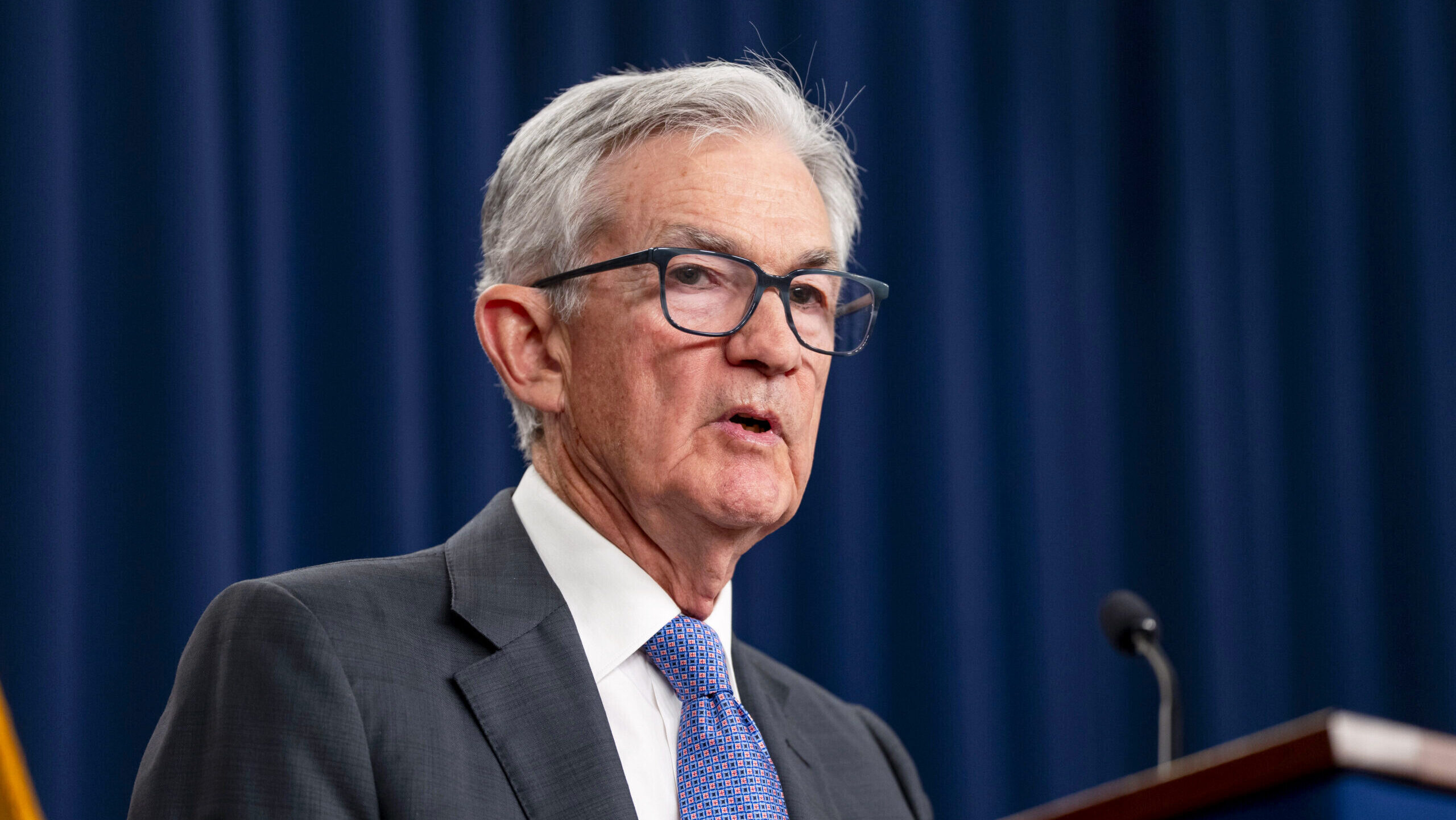
The 9-3 decision, which featured the most dissents since 2019, highlighted a split between FOMC members who think more cuts are needed to shore up the jobs market and those who believe further easing would inflame inflation. “Everyone around the table at the FOMC agrees that inflation is too high and we want it to come down, and agrees that the labor market has softened and that there is further risk,” Chairman Jerome Powell told reporters at a news conference. “Where the difference is, is how do you weight those risks and what does your forecast look like? It’s very unusual to have persistent tension between two parts of the mandate.”
The latest reading of policymakers’ preferred inflation gauge came in well above officials’ 2% target at 2.8%. Powell said the Fed expects that figure to slow to roughly 2.4% by the end of 2026 and unemployment to hold at 4.4%.
The FOMC’s post-meeting statement suggested the bar for future cuts is higher. The Fed’s so-called dot plot, which tracks anonymized forecasts of officials, puts the median view at just one rate cut in 2026. That means Powell, whose term ends in May, could have taken his last whack at the salami. For at least one more day, though, markets celebrated the third consecutive rate cut under his leadership:
- Rate-sensitive investments rallied on Wednesday. The small-cap Russell 2000 index rose 1.3% and the State Street SPDR S&P Homebuilders ETF climbed 3%. UBS analysts have found that, since 1970, stocks are at their best “when the Fed cuts in non-recession periods,” averaging a 15% annualized return.
- Others think the optimism is overblown. “The rose-colored glasses may come off once investors realize that the path to lower interest rates may take longer — or may not materialize at all — to the extent that they believe it will,” said Chris Zaccarelli, Northlight Asset Management’s chief investment officer.
Who’s Next: President Donald Trump said Tuesday that he will interview a “couple different people” to succeed Powell. He is expected to talk with Fed Governor Kevin Warsh and the presumed frontrunner, National Economic Council Director Kevin Hassett, this week. Other potential candidates, the Financial Times reported, include Fed Governors Christopher Waller and Michelle Bowman and BlackRock’s Rick Rieder.
Recent News
-
Fed’s ‘Goldilocks’ Economic Strategy Disintegrating amid Hormuz Strikes

Photo via Chen Mengtong/China News Service/VCG/Newscom


-

Photo by https://unsplash.com/photos/condo-neighborhood-in-the-suburbs-ROVuTYG_jso via Unsplash


-
Photo illustration by Connor Lin / The Daily Upside