Wall Street Gets Squeezed by Twin Global Crises
Yields on ultra-long 40-year Japanese Government Bonds (JGB) rose 0.26 percentage points Tuesday, reaching 4.2%, an all-time high.
Sign up for smart news, insights, and analysis on the biggest financial stories of the day.

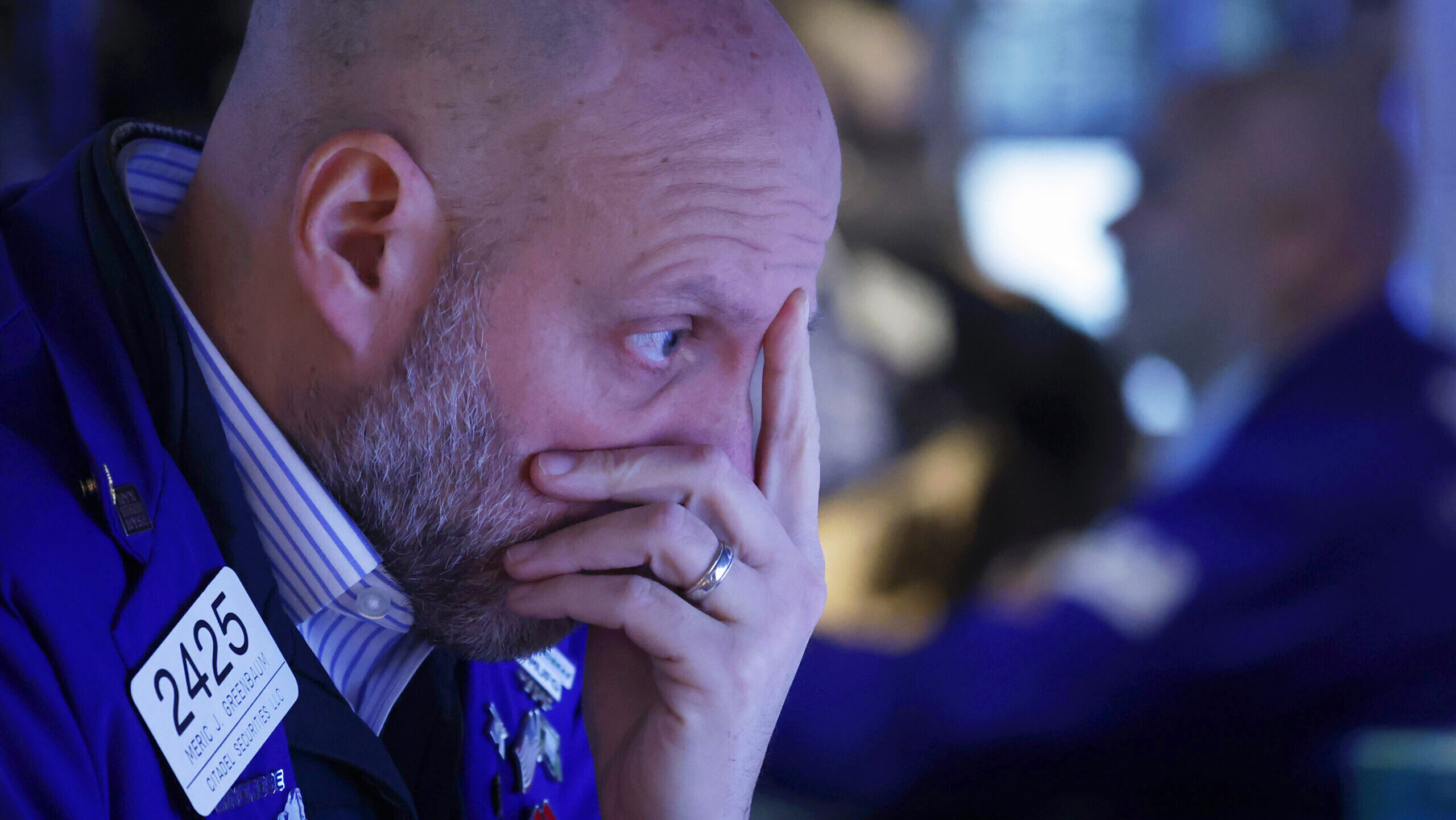
Almost anywhere Wall Streeters looked yesterday, they saw trouble. To the East, a brewing trade war with Europe over the fate of Greenland. To the West, an all-time meltdown in Japan’s bond market.
The result? Equities melted, the VIX jumped, gold soared and yields on America’s own government bonds leaped to recent highs. And it couldn’t have come at a worse time for Wall Street, which somehow — we’re honestly not sure how — made it into the New Year with a newfound sense of calm and serenity. Call it a dual global wakeup-slash-margin call. Next Christmas, we want whatever eggnog they were drinking.
Risky Business
No, seriously: Wall Street, which has been admirably tuning out geopolitical noise all year, exited last week feeling quite rosy. According to a Bank of America survey published Tuesday and conducted between January 9 and 15, fund managers were feeling their most bullish since the glorious post-COVID, pre-inflation days of July 2021. Cash levels fell to a record low, with 48% of managers reporting overweight positions. Half of respondents said they had no protections against a sharp U-turn in equity prices, the highest amount since 2018.
Then came President Trump’s escalated rhetoric over Greenland, prompting threats of explosive retaliation from European leaders. S&P 500 futures slipped about 0.9% on the Monday holiday, before the index fell more than 2% on Tuesday, coinciding with another blaring wakeup call. Yields on ultra-long 40-year Japanese Government Bonds (JGB) rose 0.26 percentage point on Tuesday, reaching 4.2%, an all-time high and crossing the 4% threshold for the first time since their debut in 2007. It’s the roiling end of a slow boil. Investors for years have been wary of Japan’s growing debts, especially amid Prime Minister Sanae Takaichi’s high-spending, tax-slashing regime; yields on 20- and 40-year JGBs have jumped 80 basis points since Takaichi took office in October.
The turmoil spread across global bond markets, and, suddenly, rosy Wall Street was forced to adopt a risk-off mindset:
- Yields on five- and 10-year US government bonds hit their highest intraday levels since August, while 30-year yields hit their highest point since early September, before all three stabilized somewhat by market close. Chicago Board Options Exchange’s CBOE Volatility Index, also known as the VIX, also known as Wall Street’s fear index, jumped 6.6% Tuesday, while gold notched a record high.
- “No one is doing a great deal to control fiscal deficits, and when it all comes together with geopolitical concerns around Greenland and European demand for Treasurys, plus the Japanese selloff, yield curves need to be steeper to get the appropriate amount of risk premium,” Dominic Konstam, head of macro strategy at Mizuho Securities, told Bloomberg.
Selling Out: At the World Economic Forum in Davos, European Commission President Ursula von der Leyen said the bloc must be “unflinching, united and proportional” in its response to the US. Not everyone is waiting around. Danish pension operator AkademikerPension said Tuesday it plans to exit its $100 million position in US Treasurys by the end of the month, with investing chief Anders Schelde telling CNBC: “It is not directly related to the ongoing rift between the [US] and Europe, but of course that didn’t make it more difficult to take the decision.”
Recent News





-
The Taxman Still Cometh, But May Take Away Less

Photo illustration by Connor Lin / The Daily Upside