Lackluster Fixed-Income Revenue Dulls Bright Quarter for Goldman Sachs
The fixed-income, currencies and commodities business generated revenue of just $4 billion in Q1, a 10% decrease from a year ago.
Sign up for smart news, insights, and analysis on the biggest financial stories of the day.

There’s no “I” in team, but there are two in “fixed income,” and that business’s relatively dismal performance at the start of the year proved enough to spoil what should’ve been a big day for the entire Goldman Sachs team.
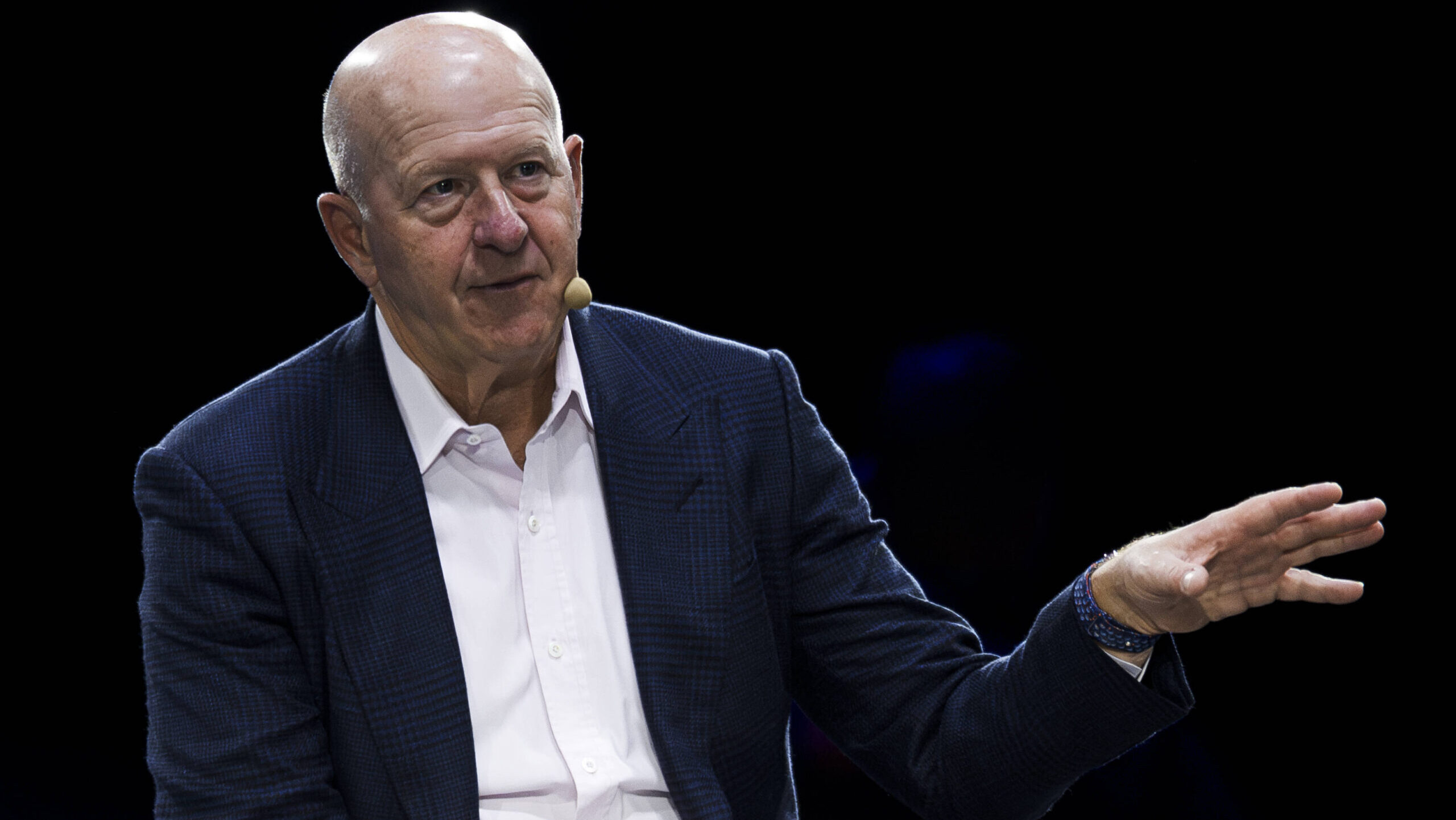
Despite overall first-quarter earnings that beat Wall Street’s revenue expectations and historic equities trading figures, Goldman’s shares dropped nearly 1.9% by market close Monday due to a marked pullback in its fixed-income, currencies and commodities (FICC) unit. CEO David Solomon chalked up FICC’s woes to a fickle debt market.
Needs Fixin’
The FICC business generated revenue of just $4 billion, a 10% decrease from a year ago; analysts had expected a 10% jump in the other direction. FICC results, subject to volatile monetary policy and commodities markets, tend to be fickle; Goldman’s first quarter ended March 31, meaning its traders felt the full effect of the war in Iran, for instance. The bank pinned the blame for the disappointing results on “significantly lower” revenue in mortgages, interest-rate products and credit products. Yes, David Solomon is just as frustrated with the housing market as millennials are. Still, he pointed out that the surprising FICC miss still marked “the 10th-best FICC quarter ever out of 100 and some odd quarters” in a call with analysts on Monday.
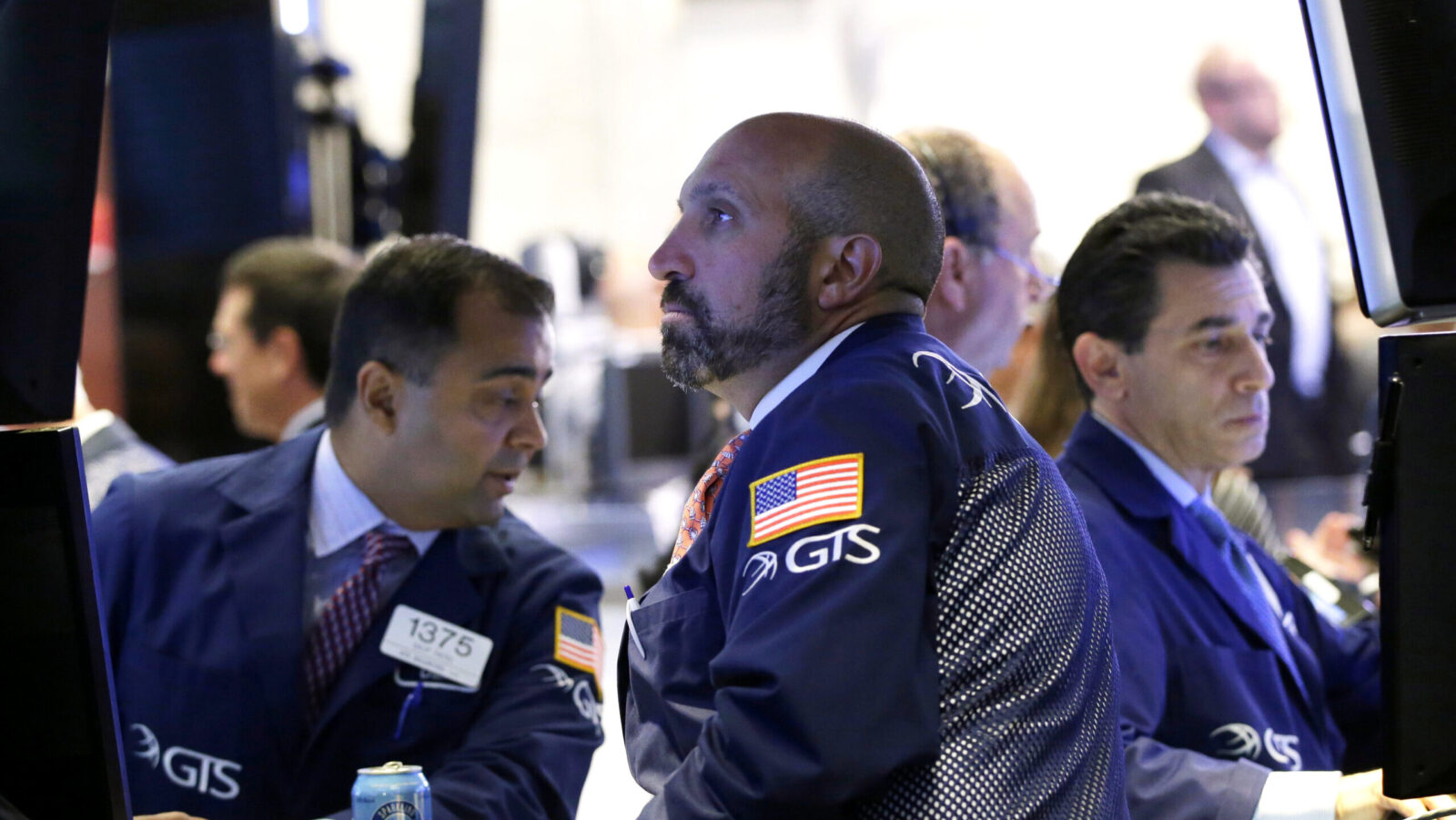
But they don’t give you medals for 10th best. The volatility that’s bad for bond traders is, in turn, very, very good for equities traders, who made bank amid the frantic trading landscape:
- Goldman’s stock traders garnered $5.3 billion in revenue, up 27% year over year and setting an all-time Wall Street record. The group had previously set the Wall Street record just a quarter prior, with $4.3 billion in revenue in the final three months of 2025.
- The firm said the boom was “primarily due” to a surge in equity financing, a.k.a. lending to hedge funds and other high-rolling players, as well as a surge in equity trading intermediation fees.
Sniff Test: There were some small signs that the rollicking good times may not last forever. Goldman’s investment banking fees climbed 48% from a year ago to $2.84 billion, but the bank also said its fees backlog is now down from its record at the end of 2025. Meanwhile, Solomon warned that uncertainty over the war in Iran had already begun to slow IPO activity in March. In other words, Goldman’s keeping an eye out for the “skunk at the party” that JPMorgan CEO Jamie Dimon warned about last week, though it hasn’t seen it yet. Nor has its private credit division been infested by the default cockroaches that are also scaring Dimon. Exactly 4.99% of investors requested to redeem shares from Goldman’s private credit fund, just under the 5% cap; the bank also said it raised $10 billion for private credit strategies, while CFO Denis Coleman said its private credit loan book remains “well diversified.”