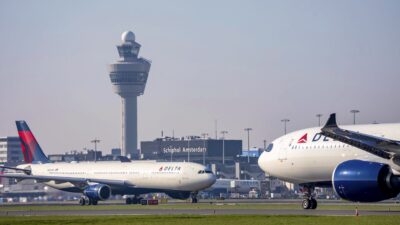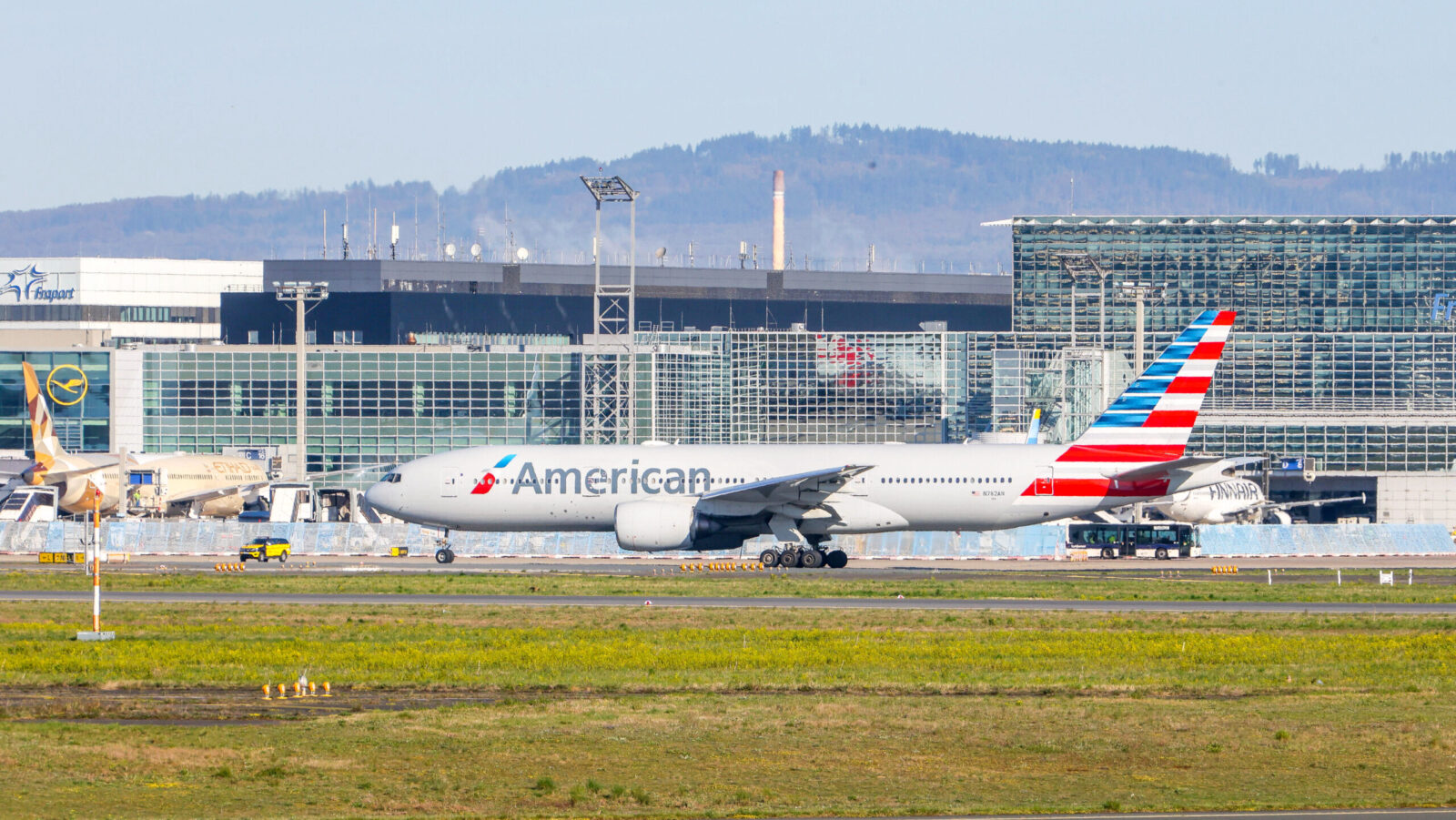
Fuel typically accounts for a quarter of carriers’ expenses, but that proportion’s likely to dramatically spike this year.
Our daily email brings you smart and engaging news and analysis on the biggest stories in business and finance. For free.
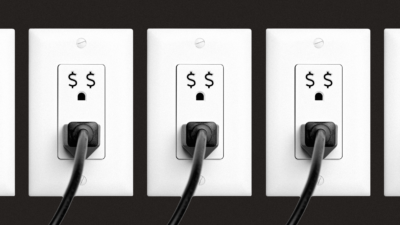
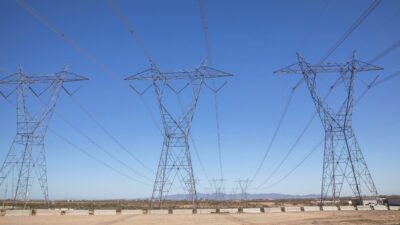
The US electrical grid isn’t ready for the double whammy of peak air conditioner usage and peak data center power needs. What happens now?
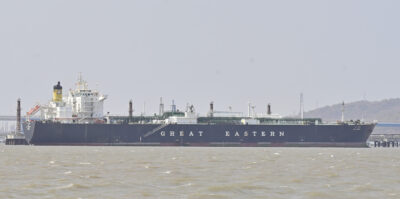
The Strait of Hormuz is supposed to be opening for business under a new ceasefire agreement. So far, that doesn’t seem to be happening.
Delta Airlines and oil giant ExxonMobil say they’re expecting bad news for their financial statements thanks to soaring fuel prices.
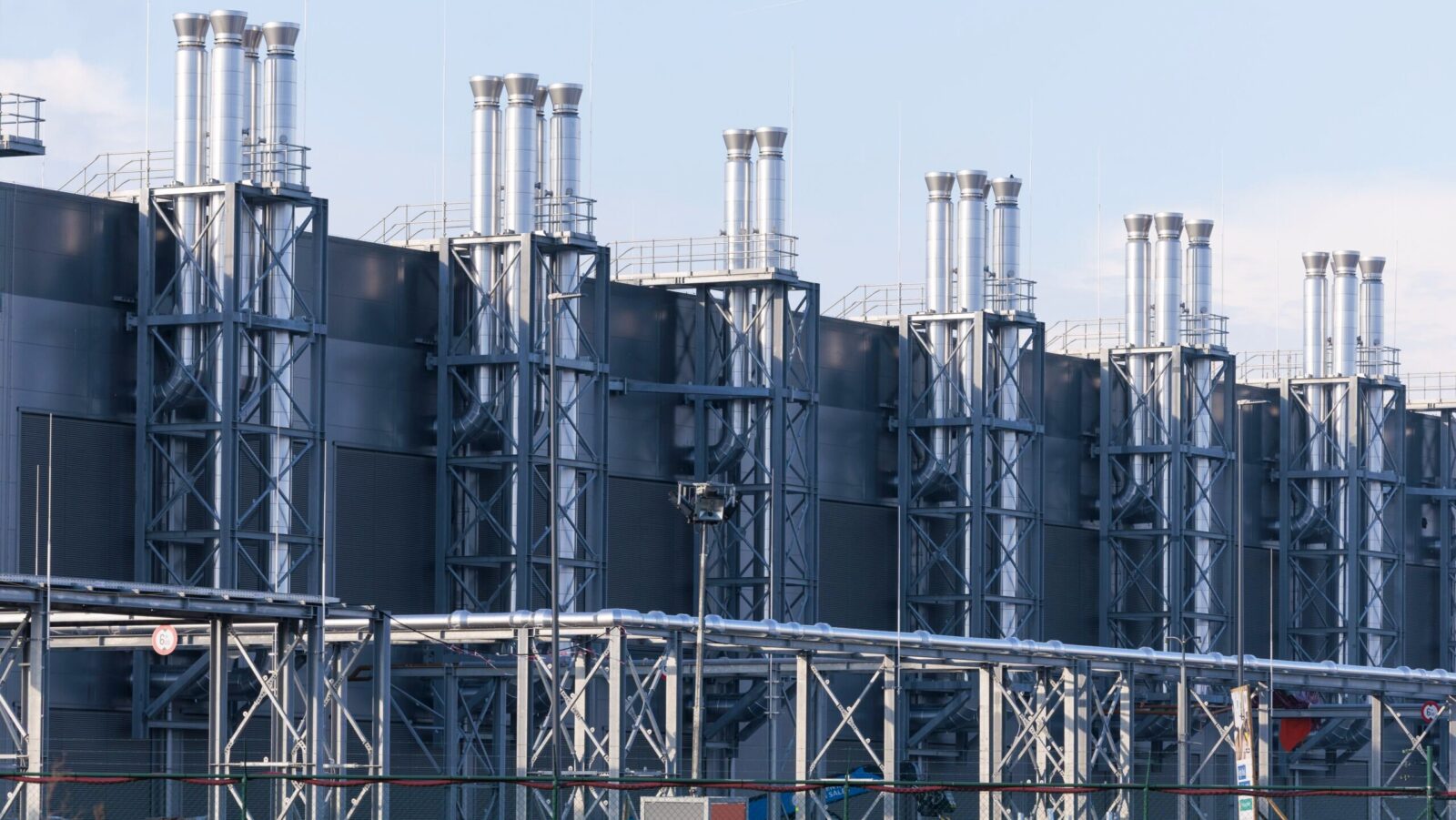
By 2030, as much as one-third of data centers will be powered entirely by on-site and off-grid power generation, according to Bloom Energy.
Average jet fuel prices have outpaced the rise in oil prices, soaring about 100% in the month since the start of the Iran war.
The oil price shock caused by the Iran war has turbocharged BP shares, pushing them up roughly 33% so far this year.
The grid is already being tested by the massive demand for data centers to support the artificial intelligence boom.
Morgan Stanley analysts on Monday granted the US LNG exporter a rare double upgrade, changing its rating from underweight to overweight.
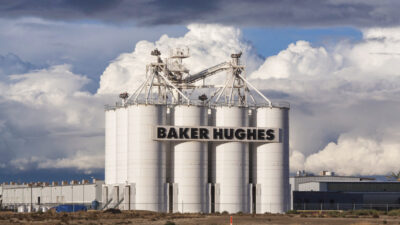
The company said this year that it is on track to double its data center-related orders to $3 billion in the three years through 2027.
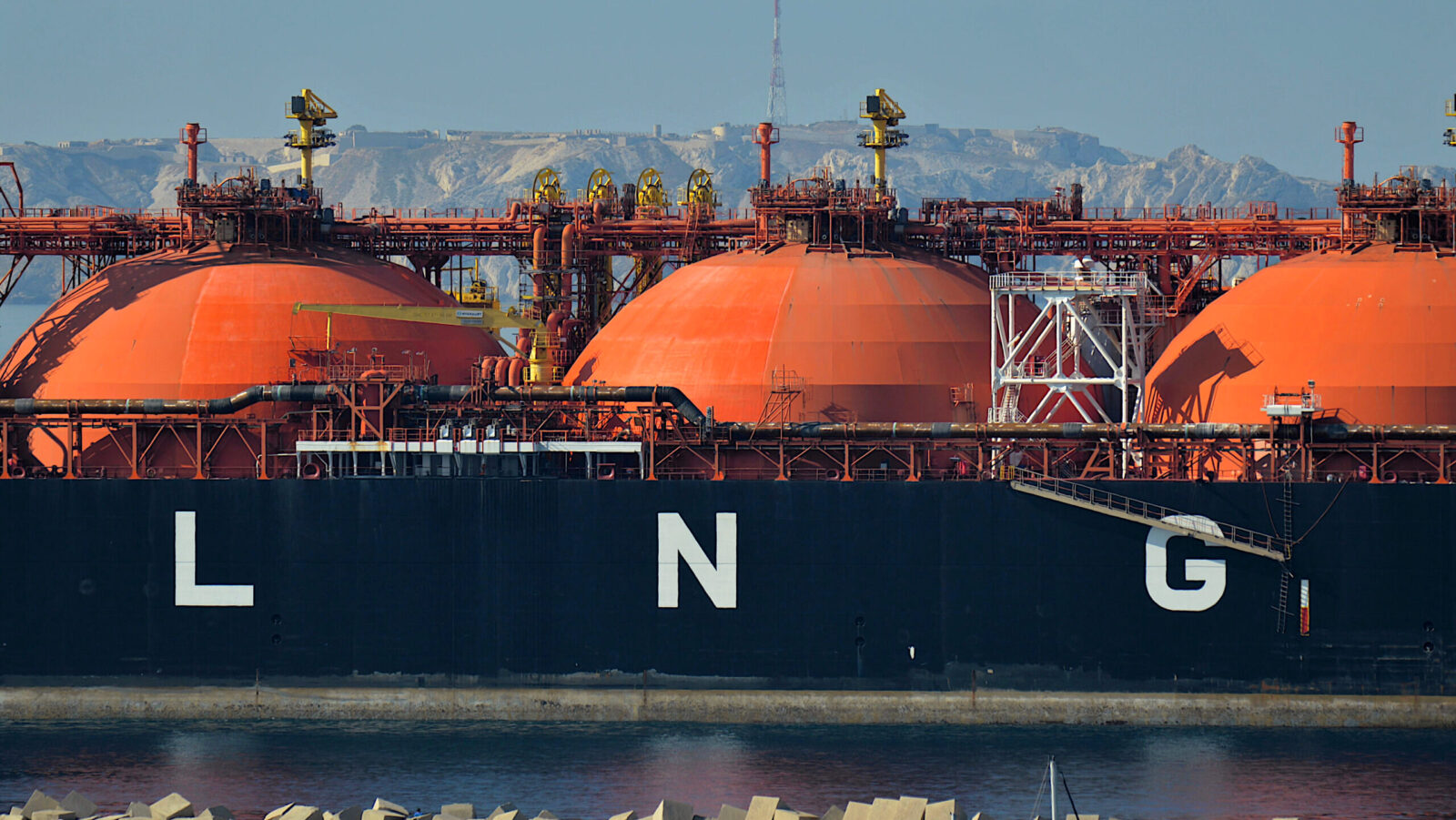
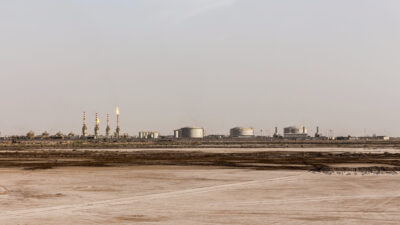
Iranian strikes on Qatar’s Ras Laffan plant eliminated three to five years of LNG exports worth some $20 billion in yearly revenue.
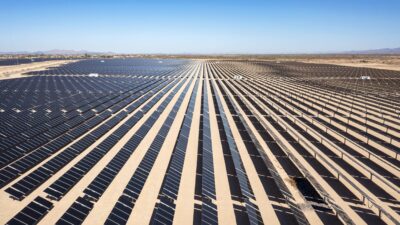
The iShares Global Clean Energy ETF jumped more than 5% last week, exceeding the oil-and-gas-focused Vanguard Energy ETF’s 1.3% gain.
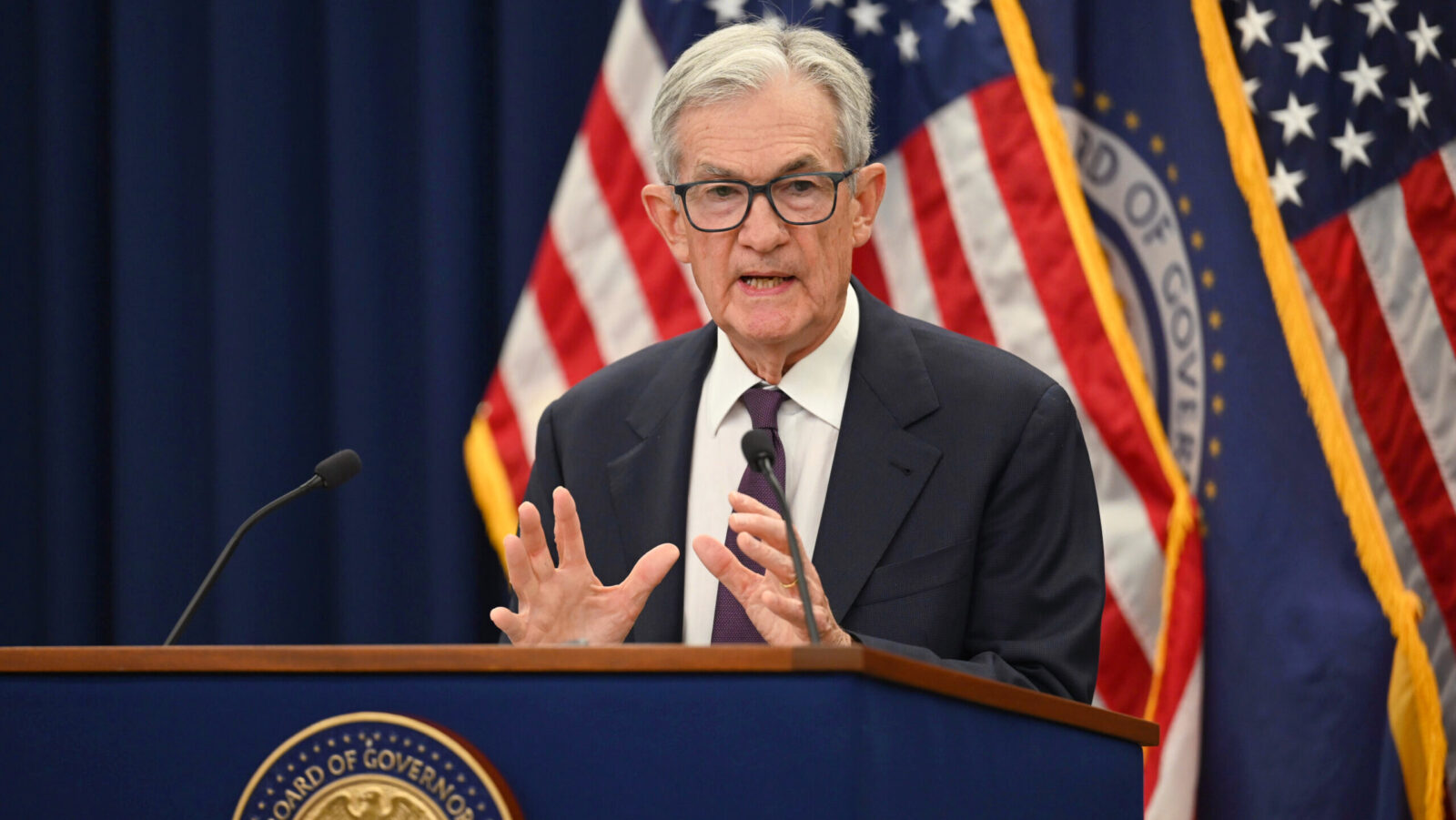
Markets are pricing in practically no chance of a rate cut when officials meet later this month, according to the CME Fedwatch.
Some traders see a possible parallel to the spike and subsequent crash in oil prices in 2008 if the war drags on and threatens supplies.
The US-Israel conflict with Iran has triggered the biggest oil supply disruption ever, topping the 1956 Suez crisis.
Oil production in the Middle East may fall dramatically if the Iran conflict traps stockpiles from being shipped out of the region.