Biotech Bill Bundled in Pentagon Spending Plan May Worsen Pharma’s Patent Cliff Dilemma
The next few years of projected revenues in the pharma space have more holes in them than industry CEOs’ favorite golf courses.
Sign up for smart news, insights, and analysis on the biggest financial stories of the day.

Much like pharmaceutical packaging, the most important part of this story is in the fine print.
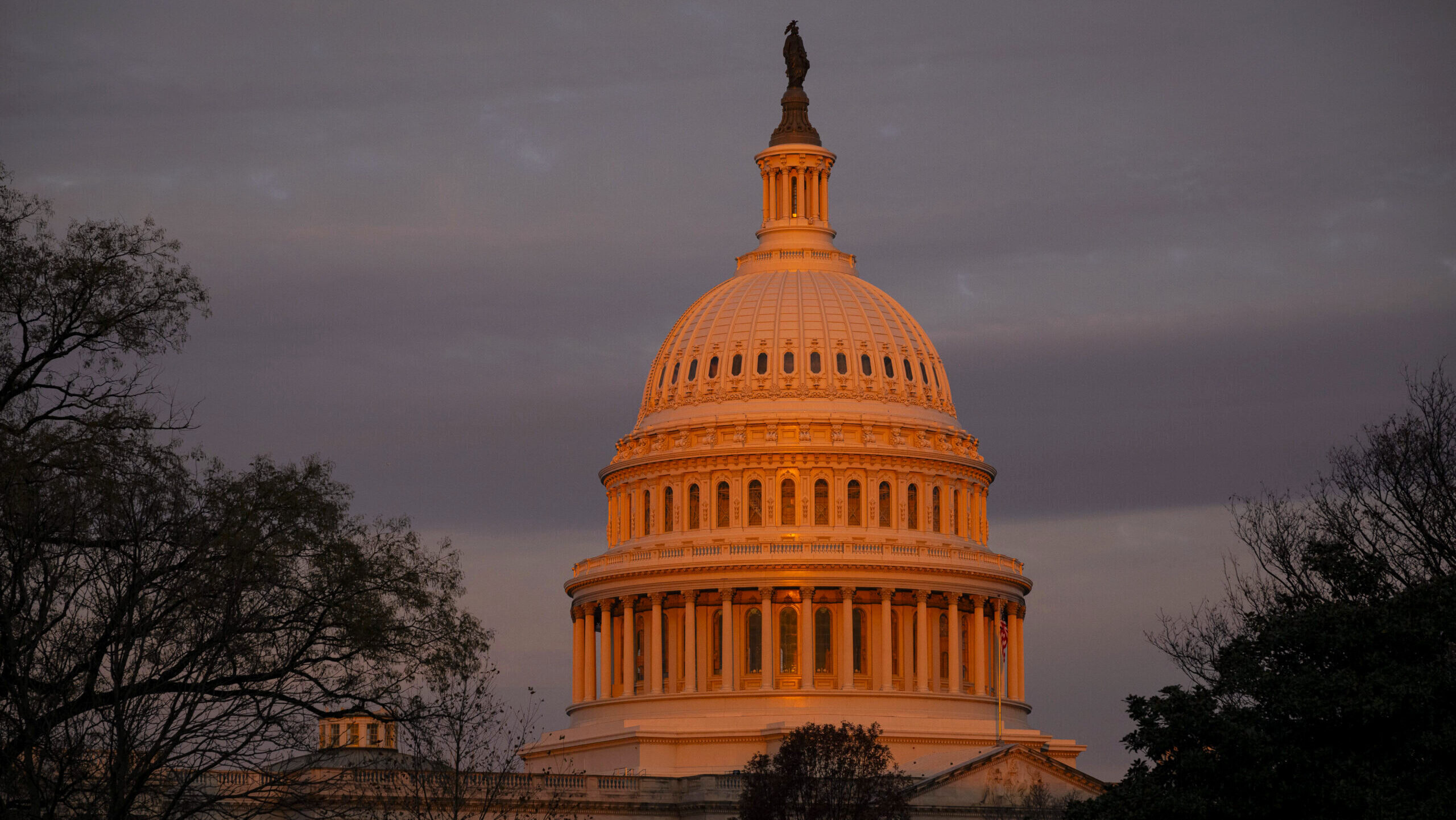
Last week, the US House overwhelmingly voted in favor of Congress’s mammoth annual defense policy bill, which would authorize $900 billion in military funding. Inside the omnibus package was the Biosecure Act, a piece of legislation targeting Chinese biotechs that could have unintended consequences.
Plugging the Gap
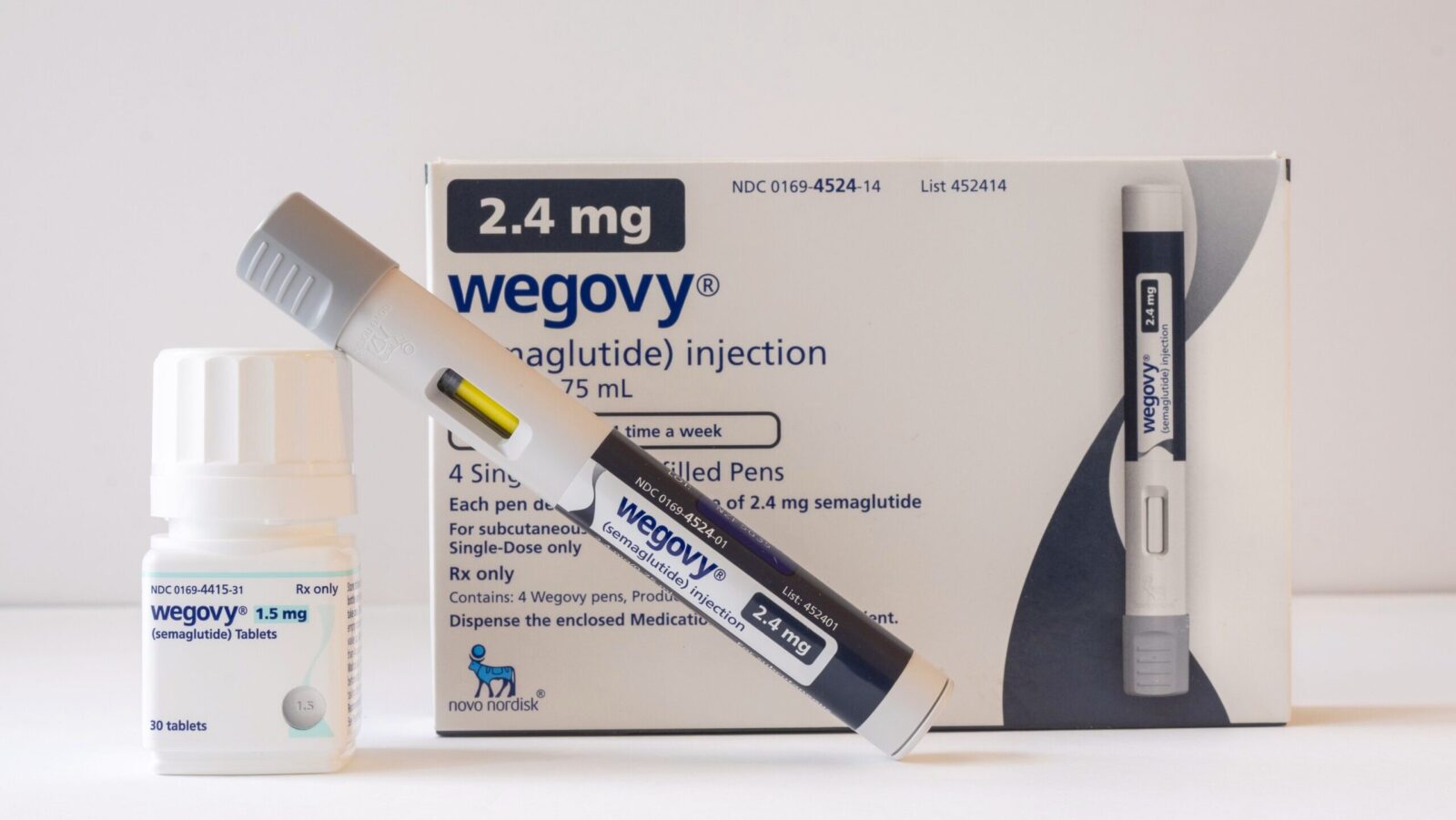
The next few years of projected revenues in the pharma space have more holes in them than industry CEOs’ favorite golf courses. Intelligence provider Evaluate forecasts $314 billion in sales will be impacted in the next five years by patent cliffs, industry jargon for when drugmakers lose exclusivity on their products. Take, for example, Merck’s Keytruda, the world’s best-selling cancer drug that made $29 billion last year, with a patent expiration in 2028. At the same time, years of investment in China, a non-factor in cutting-edge biotech a decade ago, have made the country a leading innovator. At 20%, China has the second-largest share of global drugs in development, according to Globaldata research, behind only the US at 40%.
As a result, Chinese partnerships have become an increasingly popular way for US and European pharma firms to replenish pipelines in advance of patent cliffs. In a survey by the Biotechnology Innovation Organization (BIO) last year, 79% of biopharma companies reported at least one partnership or supplier relationship with a Chinese firm. Licensing agreements to bring Chinese therapies abroad are especially popular, with Pfizer, Novartis and AstraZeneca inking multibillion-dollar deals in a frenzied 2025. Naturally, this has been great for Chinese biotech stocks: The Hang Seng Biotech Index is up 69% this year, more than double the 32% rally on the main Hang Seng Index.
But the Biosecure Act, which is expected to pass in the Senate as part of the defense bill this week, could cloud the matter by allowing Washington to rule out deals with “companies of concern”:
- The Biosecure Act failed last year when lawmakers and industry opposed the singling out of five Chinese companies — BGI Genomics, MGI Tech, WuXi Biologics, WuXi App Tec and Complete Genomics — because of the industry disruption that their exclusion would cause. WuXi App Tec, in particular, is a key provider of ingredients for cancer treatments.
- The revised version of the bill leaves the selection of “companies of concern” to the discretion of the Department of Defense and the Office of Management and Budget (BGI, a genetic testing company, is already on the list). Drugmakers working with “companies of concern” will also get five years to adjust their supply chains, although companies told BIO’s survey last year they’d likely need eight.
Buy Option: Pharma companies are also resorting to acquisitions ahead of patent cliffs: Johnson & Johnson spent $14.6 billion this year for neurological treatment maker Intra-Cellular Therapies, Merck spent $10 billion on respiratory treatment developer Verona, and Sanofi bought oncology specialist Blueprint Medicines for $9.5 billion.
Recent News


-
Neurotech Startup Treating Blindness Nabs $1.5 Billion Valuation

Photo via Science Corporation