

Good morning.
This gives new meaning to Uber and Lyft passengers being taken for a ride. According to new research by Consumer Reports, the median price difference between the lowest and highest fares for near-identical trips booked around the same time on both services is 50%. The consumer advocacy nonprofit tested routes in 17 states on the ride-hailing apps, finding some customers were charged significantly different amounts for essentially the same trip. Consumer Reports also estimated 11% of discounts on the apps were “fake” because they were offered on “what appeared to be inflated original prices.”
Both companies strongly deny the allegations, saying their algorithmic pricing is based on real-time demand and that fares are never personalized. Uber said the study is unreliable because dynamic pricing changes “nearly every second,” while Lyft suggested that Consumer Reports’ methodology was flawed because ordering multiple identical trips around the same time may have artificially inflated prices. The lesson is obvious: Don’t order a ride home at the same time as your friend at the bar. Wait 10 minutes, and buy a nightcap with the money you’ll save from avoiding surge prices.
Investor FOMO, ETF ‘Feeding Frenzy’ Fuel SpaceX’s Skyrocketing Price
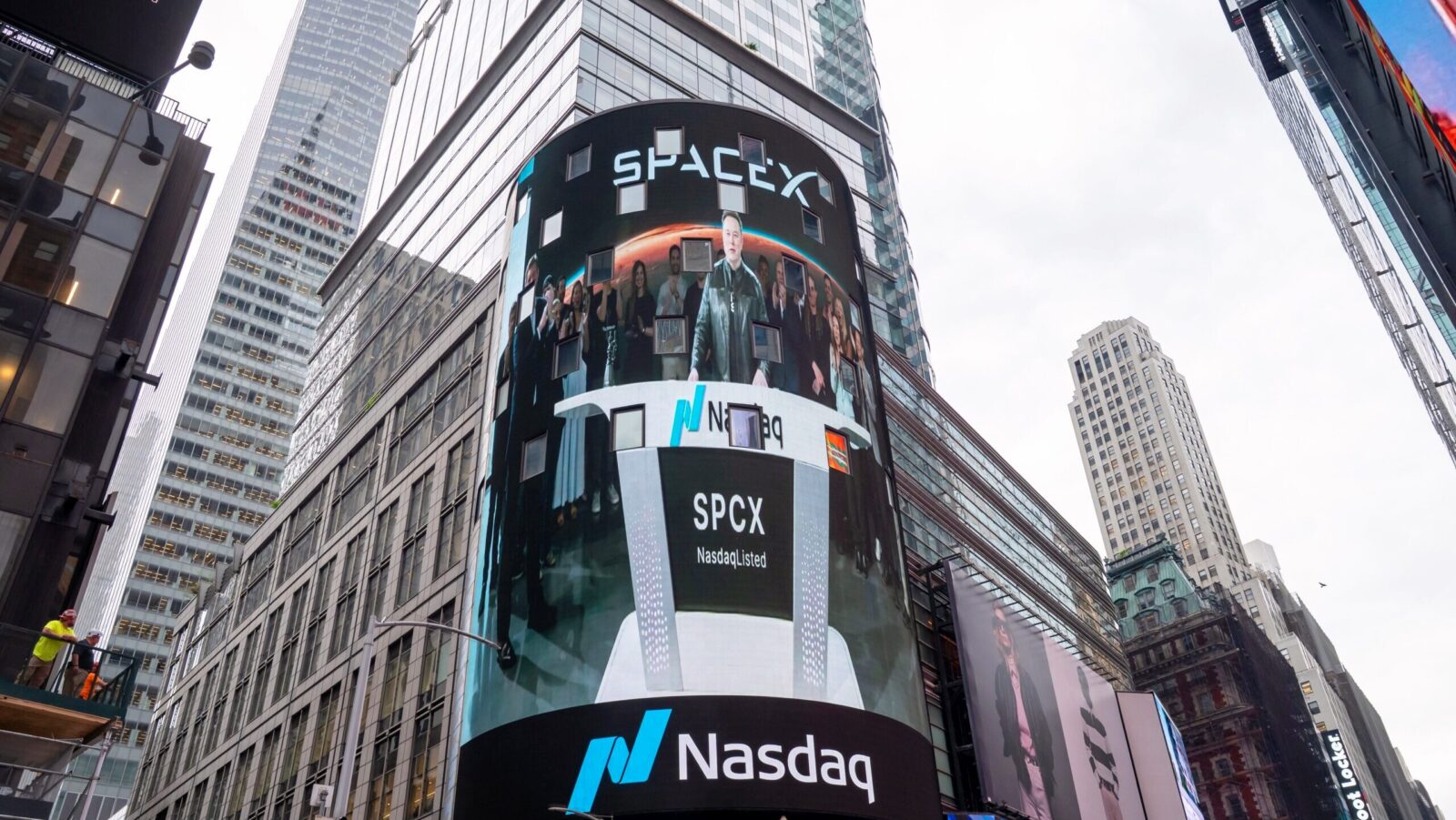
Rockets aren’t the only things capable of reaching escape velocity: SpaceX surged 4.8% Tuesday, marking its third consecutive gain after a landmark initial public offering.
The company’s market capitalization even surpassed Amazon and Microsoft in intraday trading, briefly making it the fourth-biggest US company, before closing at a $2.6 trillion valuation. Some analysts remain wary.
A Cursor-y Glance
The excitement around SpaceX relies on the promise of unproven technologies that the company itself admits may not be commercially viable. SpaceX lost $4.9 billion on $18.7 billion in revenue last year. Amazon made $77.7 billion on $716.9 billion in revenue, and Microsoft netted $101.8 billion on $281.7 billion in revenue. One of these is not the same.
“The trading price implies all the company’s projects will pay off according to our most optimistic scenario, which depends on rapid Starship reusability and compelling commercialization of orbital data centers,” Morningstar analysts, who view SpaceX as highly overvalued, wrote Tuesday. They lowered their price for the stock, which closed at $201.80, by a dollar to $62. But SpaceX did make a significant move toward monetization. A $60 billion all-stock deal to acquire automated coding startup Cursor, a leader in “vibe coding” popular among tech developers, is expected to vault its xAI unit into a more competitive position against AI rivals OpenAI and Anthropic. Morningstar said an AI revenue boost could lift its bearish view of the stock to $154 to $169 per share. In the meantime, other enthusiastic market forces are fueling SpaceX’s boosters:
- Its valuation remains driven by a massive imbalance in supply and demand. The 555.6 million shares sold in last week’s IPO represented just 5% of its outstanding stock, leaving FOMO-ing retail investors clawing for the limited float: Vanda Research said retail traders bought $225.2 million in SpaceX stock in its first two days of trading, equal to 75% of all net buying of single stocks.
- Bloomberg Intelligence analyst Eric Balchunas tweeted that 11 leveraged ETFs benchmarked to SpaceX, vehicles that can amplify a stock’s movement, attracted more than $3 billion in volume Tuesday, up from $1 billion on their Monday debut, in a “total feeding frenzy.”
Consider the Options: Analysts at Concretum Group wrote that “hedge funds and other sophisticated market participants” are likely loading up on SpaceX because they can later sell it to index funds and ETFs. Another rallying force is the trading in SpaceX options, which began Tuesday with a record debut of 1.8 million contracts worth $2.8 billion trading hands. Call options outnumbered put options 1.3-1, according to Cboe Global Markets data, meaning more investors were looking to purchase the stock at a set price than sell.
7 Ways to Take Control of Your Legacy

Planning your estate might not sound like the most exciting thing on your to-do list, but it’s worth it. And with The Investor’s Guide to Estate Planning, preparing isn’t as daunting as it may seem.
Inside, you’ll find straightforward advice on tackling key documents to clearly spell out your wishes. Plus, there’s help for having those all-important family conversations about your financial legacy to make sure everyone’s on the same page (and avoid negative future surprises).
Why leave things to chance when you can take control? Explore ways to start, review or refine your estate plan today with The Investor’s Guide to Estate Planning.
Yum Brands Slices Up Pizza Hut in $2.7 Billion Sale
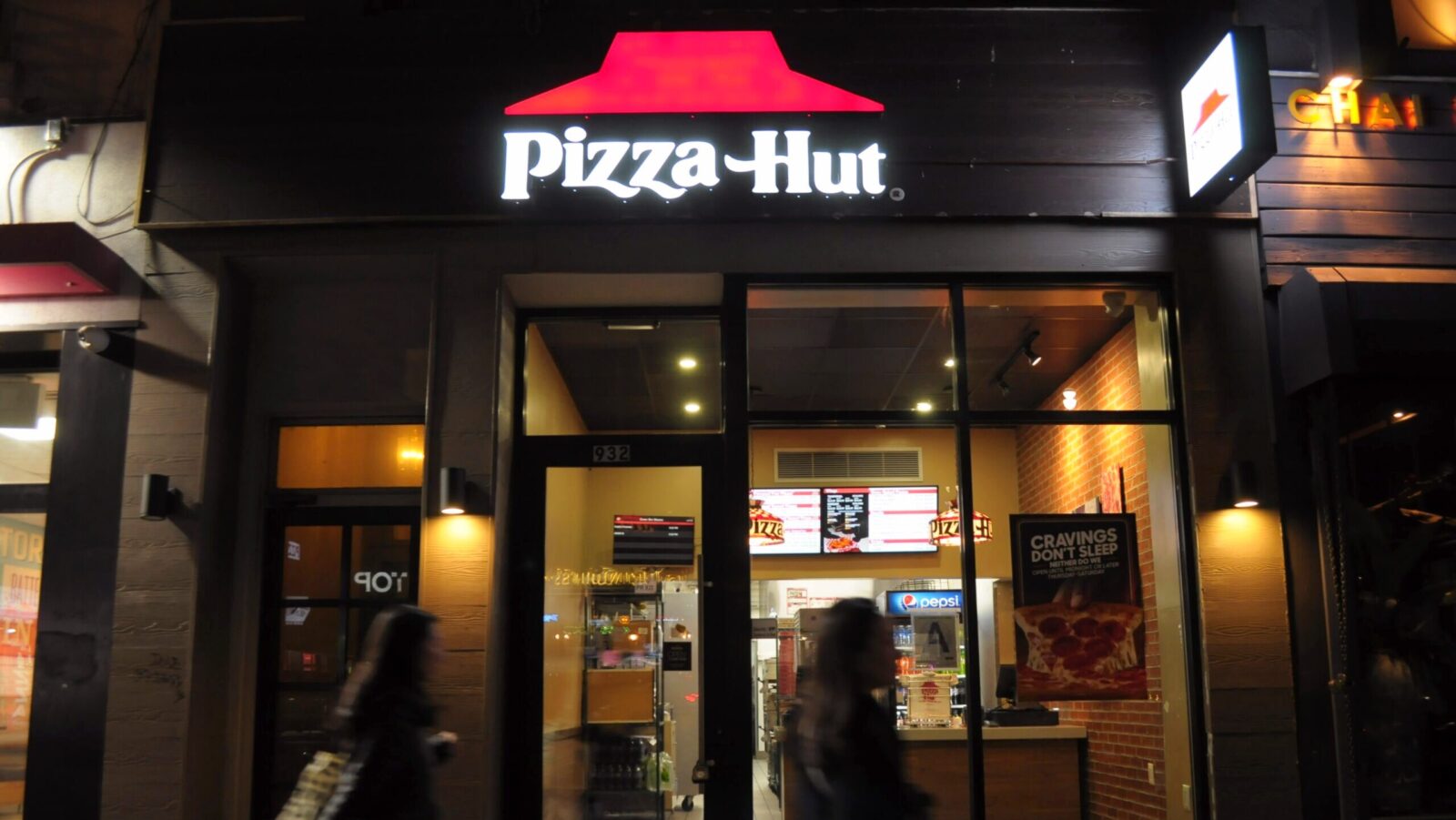
However much they stuff their crusts, Pizza Hut can’t crack the upper crust of quick-service restaurants. And parent-company Yum Brands has finally had enough.
On Tuesday, the fast-food conglomerate, which also owns Taco Bell and Kentucky Fried Chicken, announced that it had struck a deal to sell the struggling pizza chain for $2.7 billion.
Slice of Life
Pizza Hut is underperforming just about any way you slice it. Unlike KFC and Taco Bell, the latter of which is on a Diablo Sauce-level hot streak, both revenue and profit declined for Pizza Hut in 2025, according to Yum’s fourth-quarter earnings report, and profit continued to bottom out in the first three months of this year. (Customers are also increasingly getting in the habit of visiting Habit Burger & Grill, Yum’s small but growing California-based burger chain.)
“Out of the different brands in Yum’s portfolio, [Pizza Hut] was probably the one that had been underinvested in the last couple of years,” R.J. Hottovy, head of analytical research at Placer.ai, told The Daily Upside. “I think, honestly, they were still trying to figure out what they wanted to do with it.”
Foot traffic to stores has declined year over year in every month but April through 2026, according to Placer.ai, largely in contrast to industry peers; rival Domino’s has practically pie-in-the-sky visit growth by comparison.
Fed up, Yum opted to sell the company in a two-piece deal:
- Yum is selling the Pizza Hut locations in China to Yum China for $1.2 billion, a move that will transform Yum China from a franchisee of 4,300 China-based Pizza Huts to a direct brand owner.
- Private equity firm LongRange Capital will pick up the rest of the company for $1.5 billion. China accounts for roughly one-fifth of all Pizza Hut system sales, while US locations account for roughly double that.
Say Cheese: Still, Pizza Hut’s struggles aren’t exactly singular. The entire quick-service industry has been under pressure from lower-income consumers who are fleeing chains in favor of supermarkets, Hottovy said. (Frozen pizzas, after all, have come a long way.) Meanwhile, the rapid rise of GLP-1 drugs has drastically changed consumers’ appetites. One KPMG study found that adult GLP-1 users now consume 21% fewer calories, leaving a lot less room for that third or fourth slice.
$DRNI Prepares for Potential Nasdaq Listing

But the real opportunity is now. Doroni just unveiled the showroom model of a flying car with 600+ preorders, representing $240M in potential revenue. Now, they’re working toward their first commercial deliveries by 2028. Because of this momentum, they’ve just reserved the Nasdaq ticker $DRNI. Invest at $3.10/share by tomorrow.*