

Good morning.
In Wall Street’s cruel calculus, a good jobs report was a major sell signal.
On Friday, the US Bureau of Labor Statistics said the US economy added 172,000 jobs in May, more than double the 80,000 new jobs that most analysts had projected. But the strong results only raised traders’ expectations that the Federal Reserve would raise interest rates by the end of the year, delivering the second blow in a one-two punch for equity markets after Broadcom reported a slightly underwhelming outlook for AI chip sales earlier in the week. The result: The S&P 500 dropped 2.4% on Friday, while the Nasdaq lost nearly 4.2%. That marked the worst day for the index since April 2025’s post-Liberation Day meltdown. There’s a reason the phrase “Thank God, it’s Friday” has been around for nearly a century.
Move Over, SpaceX: Popular Companies from Lime to Oura Line Up for Market Debuts
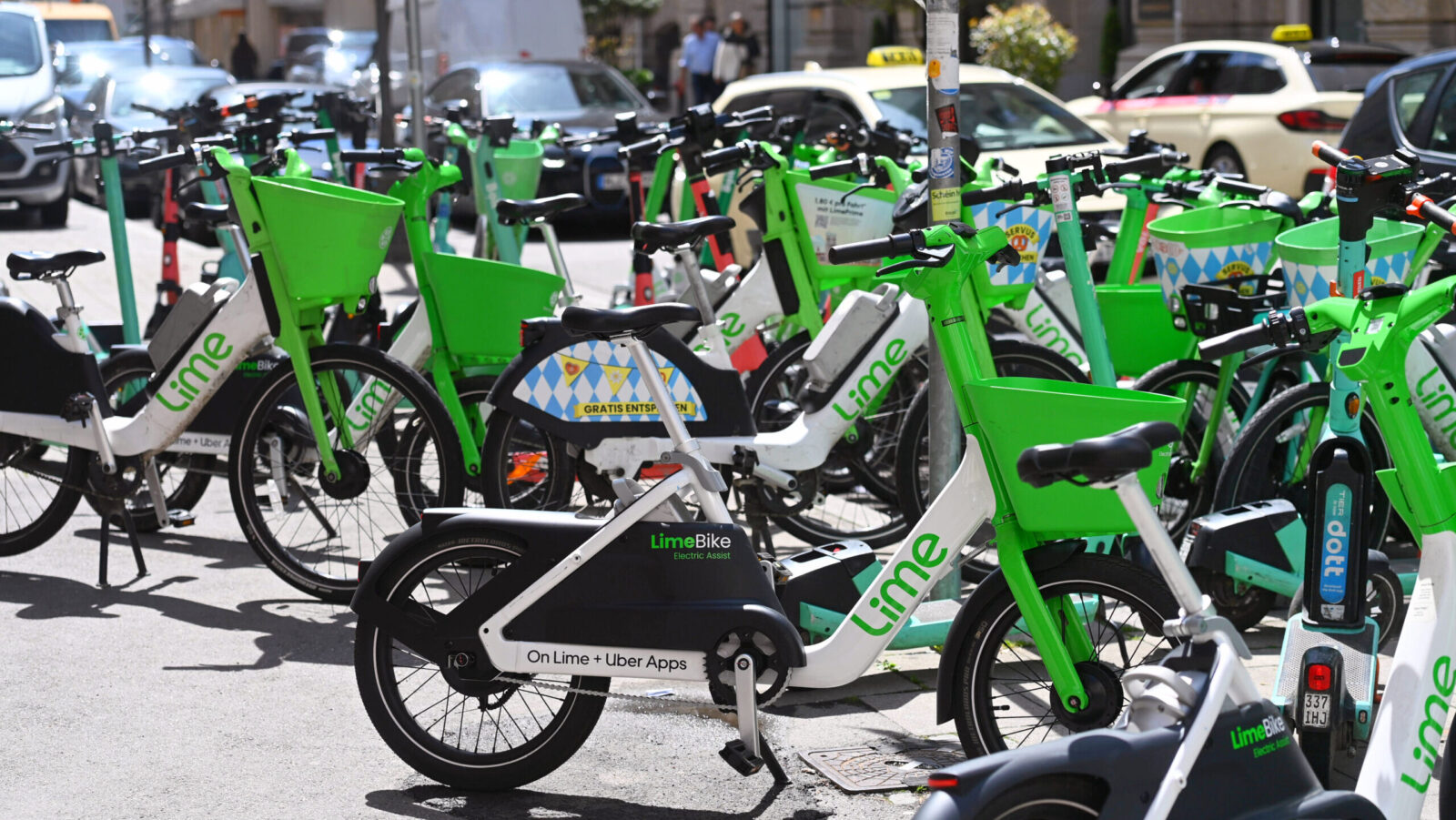
The IPO market is looking more like a full constellation of stars than a race to the moon.
Elon Musk’s rocket company is teed up for the largest IPO ever when it hits the market at the end of this week. But while headlines about SpaceX and artificial intelligence lab Anthropic, which also recently filed to go public, are inescapable, those mega-unicorns aren’t the only IPOs in town. After a dry spell amid high interest rates, inflation uncertainty and lingering effects of the post-pandemic tech boom, the first quarter of this year saw 35 IPOs raise $9.9 billion, according to Renaissance Capital. It was the best start to a year since 2021.
“We’re not fully back in the swing of things, but a strong debut from SpaceX would help us get there,” Matt Kennedy, senior strategist at Renaissance Capital, told The Daily Upside. “In the past two months, pockets of enthusiasm have spread from a few sectors to growth stocks more broadly.”
IPOs Are Back
Blackstone-backed Liftoff Mobile marked the first software IPO of the year last week and, alongside Quantinuum, it doubled the number of sizable tech IPOs in 2026 from two to four, Kennedy said. While the market still hasn’t fully normalized in terms of issuance, it’s well on its way. The clock is ticking for Anthropic, and investors should buckle up for another SpaceX-like frenzy after OpenAI files to go public, which is expected soon.
Kennedy says his firm often advises clients to pay attention to the less prominent IPOs, such as the gas engine maker Innio, which hit the market last week, and energy company ERock, slated to go public this week. He also says retail investors should spread out their excitement, building a position over time rather than getting caught up in the first-day frenzy.
But if you’re looking forward to seeing some recognizable names get tickers, buckle up:
- Electric scooter rental company Lime filed to go public last month, and health-tracking company Oura and fitness app provider Strava are preparing to debut as well. Inspire Brands — which owns a slew of popular food brands including Dunkin’, Arby’s, Baskin-Robbins, and Jimmy John’s — confidentially filed for an IPO last month, too.
- With the S&P 500 and Nasdaq at all-time highs and the Dow having crossed the 50,000 threshold, “it’s a good time to IPO,” said Ray Wang, founder of Constellation Research. He points to defense tech startup Anduril, data security company Cohesity and revenue intelligence firm Gong as some to watch.
Crowded Market: Not everyone is ready to ring the bell with so many companies scrambling for IPO attention. “We will be a public company. I just think this is a terrible year to go public,” Ali Ghodsi, CEO of data software company Databricks, told Bloomberg on Thursday.
You Keep Missing the AI Boom. Here’s a Way In

For two years now, AI has minted fortunes for venture funds and insiders — on shares you were never offered. The good rounds close before retail ever hears the name.
Sparrow is one you can get into, for as little as a few hundred dollars, not a VC-sized check. It’s an AI coach for human movement that reads your golf swing and tells you what to fix. From there: every sport, then all human motion — a trillion-dollar market.
And the traction is already there: 250k+ users, revenue up 85% YoY, a Top 50 sports app, backed by Fortune 500 executives and 12 angel groups.
Last year, the average AI startup exited at $520 million. Sparrow is still under $35 million, with a 20% share bonus while the raise is open.
World Cup Offers Record Windfall for FIFA, Dubious Payoffs for Host Cities
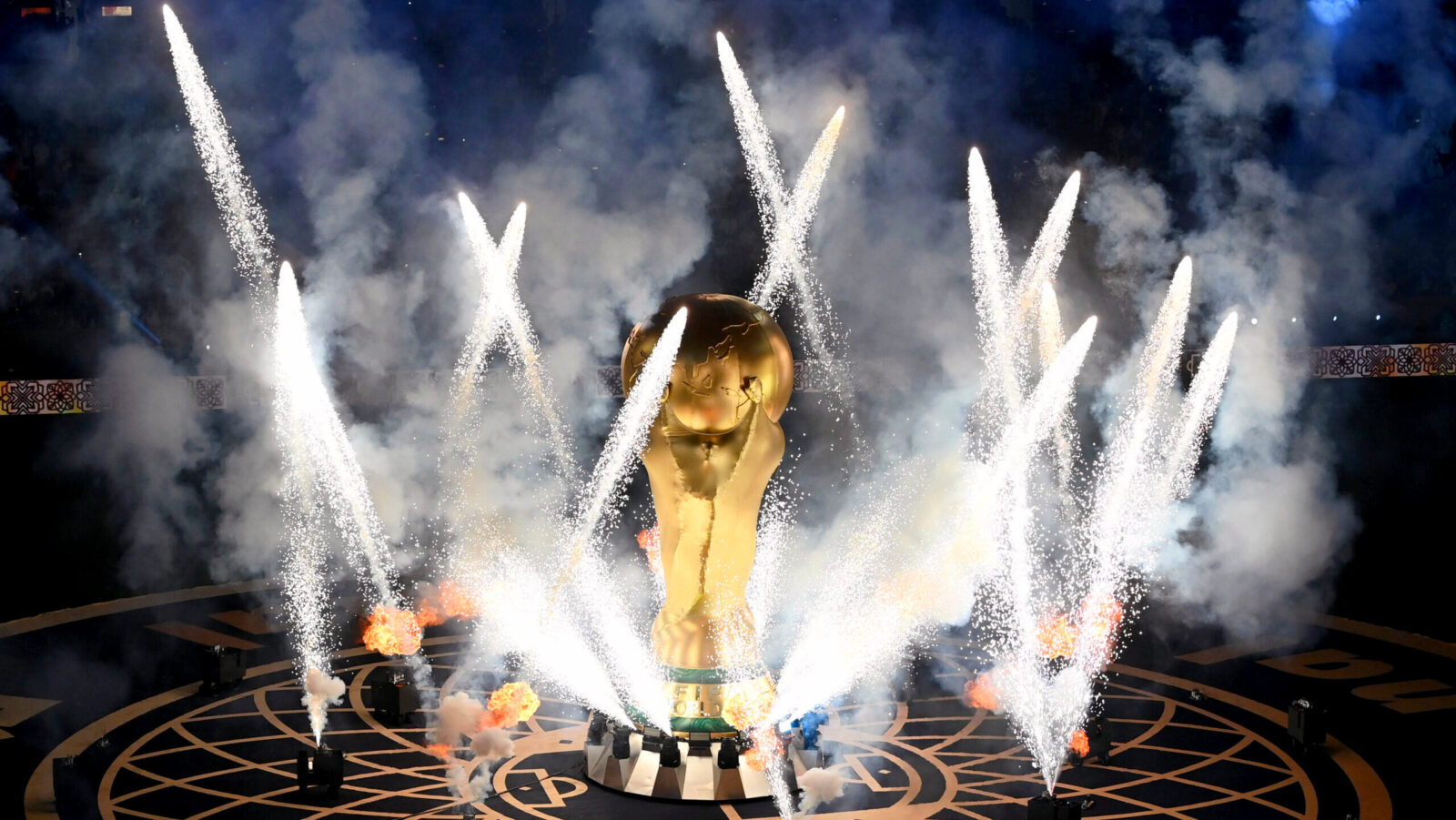
FIFA President Gianni Infantino has ambitiously billed the 2026 World Cup, set to kick off this Thursday, as “the greatest event that humanity has ever seen.” Forgive us for siding with Muhammad Ali, who, after promising his 1974 heavyweight title bout against George Foreman would be “the greatest event of all time” and “bigger than Evel Knievel and the Kentucky Derby on the same day,” actually delivered.
What’s not up for debate is that this year’s tournament, jointly hosted by the US, Mexico and Canada, will be the most lucrative event in sports history. Host cities, however, may not walk away feeling as flush as FIFA.
More Games but Not Game-Changing
FIFA expects record revenue of $13 billion in its 2023-2026 cycle, up 72% from the previous Qatar cycle. The number of teams participating is rising to 48, up from 32 at the 2022 Qatar World Cup, and the total number of games is climbing from 64 to 104, meaning more matches to sell to broadcasters. No wonder global TV revenue, FIFA’s biggest earner, is projected to rise to $3.9 billion from 2022’s $3.4 billion haul.
Additionally, FIFA and local officials have promised massive economic activity in host cities: $3.3 billion in the New York area and $2.1 billion in Dallas. But those forecasts should be served with an ocean’s worth of salt. Researchers at the University of Lausanne found that, of the 14 World Cups from 1964 to 2018, only Russia’s 2018 tournament was profitable for the hosts. S&P Global analysts wrote last week that “for the US, the World Cup is more likely to be a significant cultural event than a national economic game changer”:
- For one, this year’s tournament is spread across 16 host cities. That will make any temporary economic boost even more difficult to distinguish because it will be so diffused, they said.
- S&P also noted that the World Cup is taking place at existing stadiums, which means infrastructure spending has been limited.
Sinning is Winning: No matter what country earns the tournament’s 18-karat gold trophy, the vice economy will walk away a winner. Investment bank Macquarie estimates that betting volumes on this year’s World Cup could total $50 billion, giving a 2% to 5% annual earnings boost to sportsbooks. And a survey by human resources firm UKG estimates workplaces in the US will lose $11.7 billion in productivity during the 39-day tournament, with employees expected to play hooky on key matchdays and even turn up hungover (and thus less productive) at the office.
Free Money Doesn’t Exist, but This Is Close

Most cash-back cards hand you a few percent and call that generous. This card skips the fanfare and simply matches everything you earn in year one, dollar for dollar, with no annual fee. Offers like this don’t grow on trees. See for yourself.**