

Good morning.
In a multiplex not so far away, Star Wars once ruled the box office with the power of the Force itself. These days? The Force is weak with this one.
The series’ latest entry, Star Wars: The Mandalorian and Grogu, debuted to just $100 million at the US box office across the holiday weekend, the lowest four-day opening haul for the franchise since Disney’s $4 billion purchase of LucasFilm in 2012. The new film, a spinoff of a Disney+ streaming series, marked Disney’s first launch of a theatrical Star Wars movie in seven years. The extended theatrical hiatus featured myriad stalled and canceled productions as the entertainment giant struggles to connect with fans, general audiences and critics alike. Mickey should heed the advice of a certain sage Jedi master: Do or do not, there is no try.
SoftBank’s ‘Go Big or Go Home’ AI Bets Fire Up Markets as IPOs Near
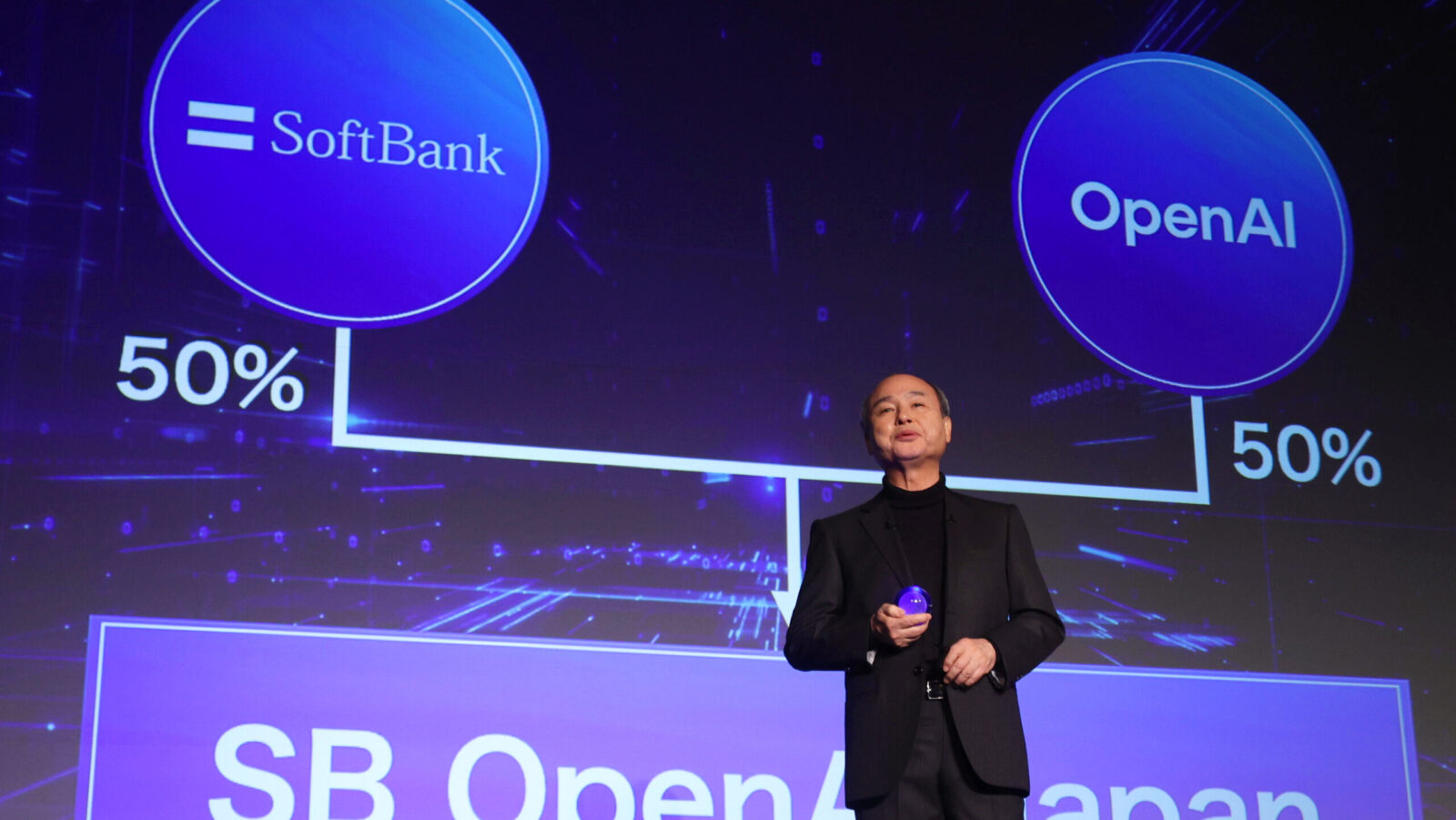
The Nikkei is quickly becoming the land of the rising Masayoshi Son.
The audacious businessman’s SoftBank surged 10.9% in Tokyo on Tuesday to a new record high. The white-hot stock is now up 46% in the past five days of trading, propelled by Son’s “go big or go home” bets on artificial intelligence.
Killer Strategy
Son is known as the ojin-kiraah or “old man killer.” The sobriquet is not as macabre as it sounds, referring to his ability to charm elder tycoons and investors to back his ventures when he was still the up-and-coming son of a bootlegger. Now 68 and a globally influential technology tycoon, he’s the one founders are looking to charm. Son founded SoftBank in 1981 as a software distributor, anticipating the personal computer boom that would follow, and ever since has carried out a high-conviction, “swing for the fences” investing approach that makes Mickey Mantle look timid at the plate.
Over the years, Son’s ambitions led the company to play a role in seemingly every development in the internet’s modern trajectory. There are search engines, where SoftBank helped set up Yahoo! Japan in the pre-Google 1990s. There’s home broadband, where it began widely distributing modems to customers in the early 2000s. There was getting in on the ground floor of China’s internet economy by investing in Alibaba in 2000. There are smartphones, where SoftBank set up a mobile unit in 2006 and first brought the iPhone to Japan two years later. Son’s record, however, is not without a black eye or three — he set the record for biggest fortune lost during the dotcom bust (since broken by Elon Musk); there were regrettable investments in WeWork, Wirecard and Greensill; and his two massive, Saudi-backed Vision funds have posted mixed results. SoftBank’s latest rise comes as Son has again positioned the firm at the tech vanguard, betting that huge AI gambles will pay off:
- SoftBank is one of OpenAI’s top shareholders, having built up a $64.6 billion, 13% stake in the ChatGPT maker. Reports suggest OpenAI plans to soon file for an initial public offering, turning what have so far been paper gains for SoftBank into liquidity.
- SB Energy, another portfolio company with significant exposure to the AI trade, is also plotting an IPO in the US. The energy infrastructure provider received $1 billion in commitments from SoftBank and OpenAI earlier this year as part of the massive $500 billion Stargate project.
Du Japon à la France: SoftBank sold its entire $5.8 billion stake in Nvidia late last year to fund its bets on OpenAI and Stargate, a US-based joint venture that also includes Oracle and Emirati investment firm MGX. Not one to stop there, Son is reportedly considering another massive, national AI infrastructure investment worth up to $100 billion, this time in France.
The Revenue Leak Hiding in Payments

Improper payments are eating at your bottom line, and they’re easy to miss. They quietly drain revenue, increase liability and weaken confidence in financial controls.
VitalAudit® helps your finance and claims teams catch overpayments before they go out. Built on exclusive data sources, VitalAudit delivers 98% mortality coverage, compared to 15-25% from federal sources and 80–85% from legacy providers.
That gap compounds quickly. For some, it means millions of dollars in ROI.
Faster reporting and stronger entity resolution reduce processing cycles from days to minutes, even with incomplete records. Flexible deployment across cloud, hybrid or on-premise environments helps protect sensitive PII.
Beyond technology, Guidehouse brings an advisory‑led approach that’s been validated through head‑to‑head pilots against competitors.
Start Building Your Lasting Legacy

An effective estate plan helps ensure your assets transfer when, where and how you want. Fisher Investments’ complimentary guide, Building a Lasting Legacy for Your Family, helps multimillionaires discover tax-efficient strategies to help build their legacies today. Get the guide.
Huawei’s Chip Plans: Ambitious or Unrealistic?
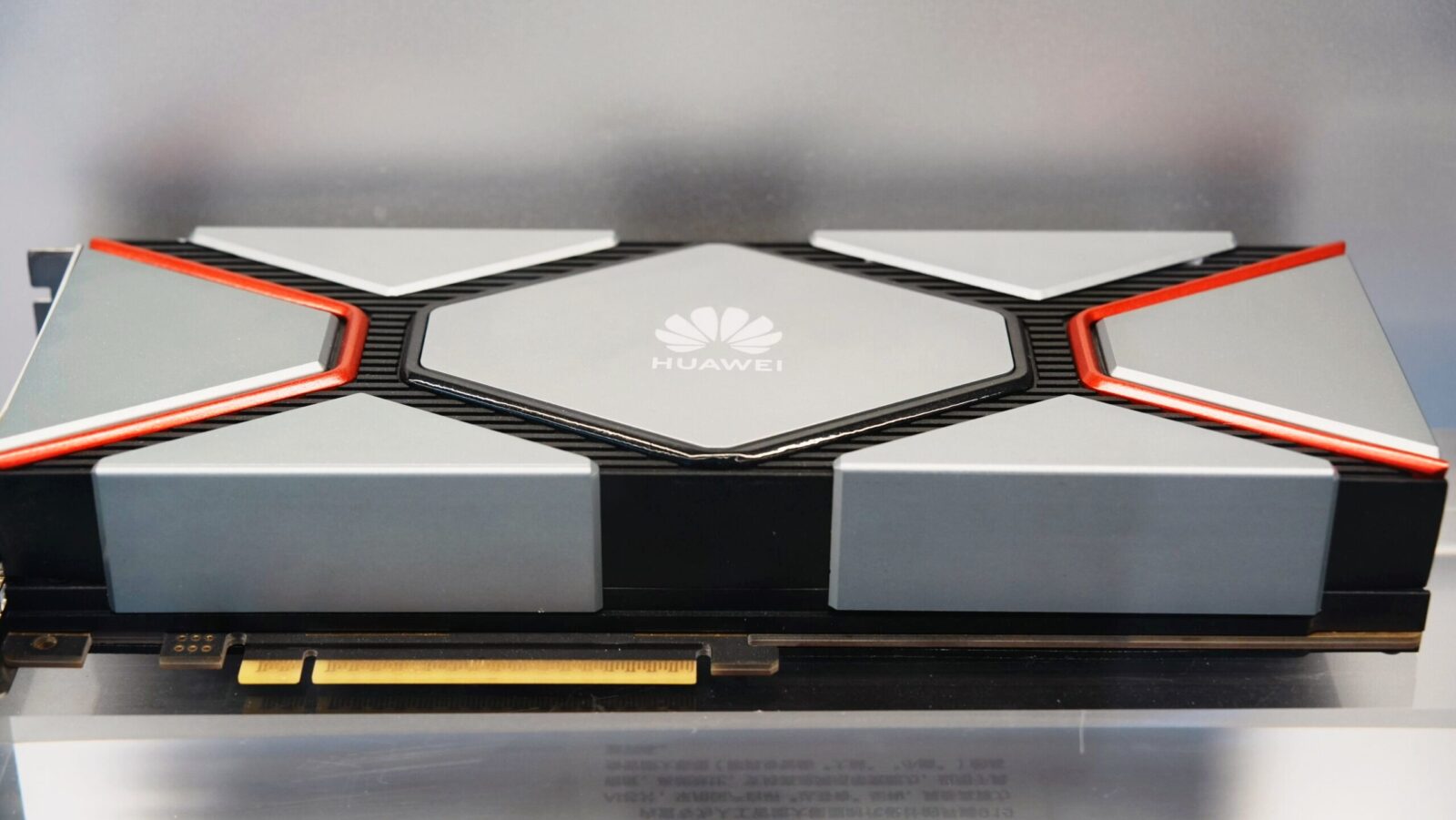
Even semiconductor chips seem to be on GLP-1s now, with Huawei announcing Monday that it’ll launch an ultra-thin 1.4-nanometer chip by 2031 using new “LogicFolding” tech. Huawei plans to first use LogicFolding — a process of folding and stacking circuits to shorten chips’ wiring — to make its Kirin smartphone chips this fall.
In the semiconductor world, thinner means more powerful. Currently, China’s most advanced chipmaking abilities are believed to yield 7-nanometer chips. Taiwan’s TSMC, the leader in chip manufacturing, makes 2-nanometer chips with a plan for 1.4-nanometer chips in 2028.
The Chip Queen Ditches Moore’s Law
Huawei’s He Tingbo, who’s known in tech circles as the “chip queen,” is leading Huawei’s semiconductor biz through a stage it describes as “extreme survival mode.” The Chinese company was blacklisted from receiving advanced semiconductor technology in 2019 due to national security concerns. That left an Nvidia-sized hole for Huawei to fill, but it also left Huawei without much of the tech it needs to make advanced semiconductors, including key lithography equipment.
He thinks Huawei can compete on a global scale despite the restrictions:
- During a “semiconductor symposium” in Shanghai on Monday, He talked about the Tau Scaling Law. It’s Huawei’s answer to Moore’s Law, which claims the number of transistors in a microchip will double every two years while costs halve. Nvidia CEO Jensen Huang is known for saying semiconductor development is outpacing the doubling timeline of Moore’s Law.
- The Tau Scaling Law dispenses with the measure of progress that Moore’s Law sets altogether. Instead of doubling the number of transistors, the Law of Tao basically measures data transmission speed. Focusing on improving this metric with LogicFolding could help Huawei improve chips without relying on the latest lithography equipment.
Wait and See: Stacked designs, like the ones made by LogicFolding, can make chips hotter. Keeping chips cool is a major cost for tech companies (and why data centers use so much water). That’s all to say there are hurdles ahead for Huawei. Concerning Huawei’s 2031 timeline, Chris Miller, author of “Chip War: The Fight for the World’s Most Critical Technology,” told The Daily Upside, “We shouldn’t believe it until we see it.”