Sign up for smart news and actionable insights on the strategies, products, and policy shifts shaping retirement outcomes.

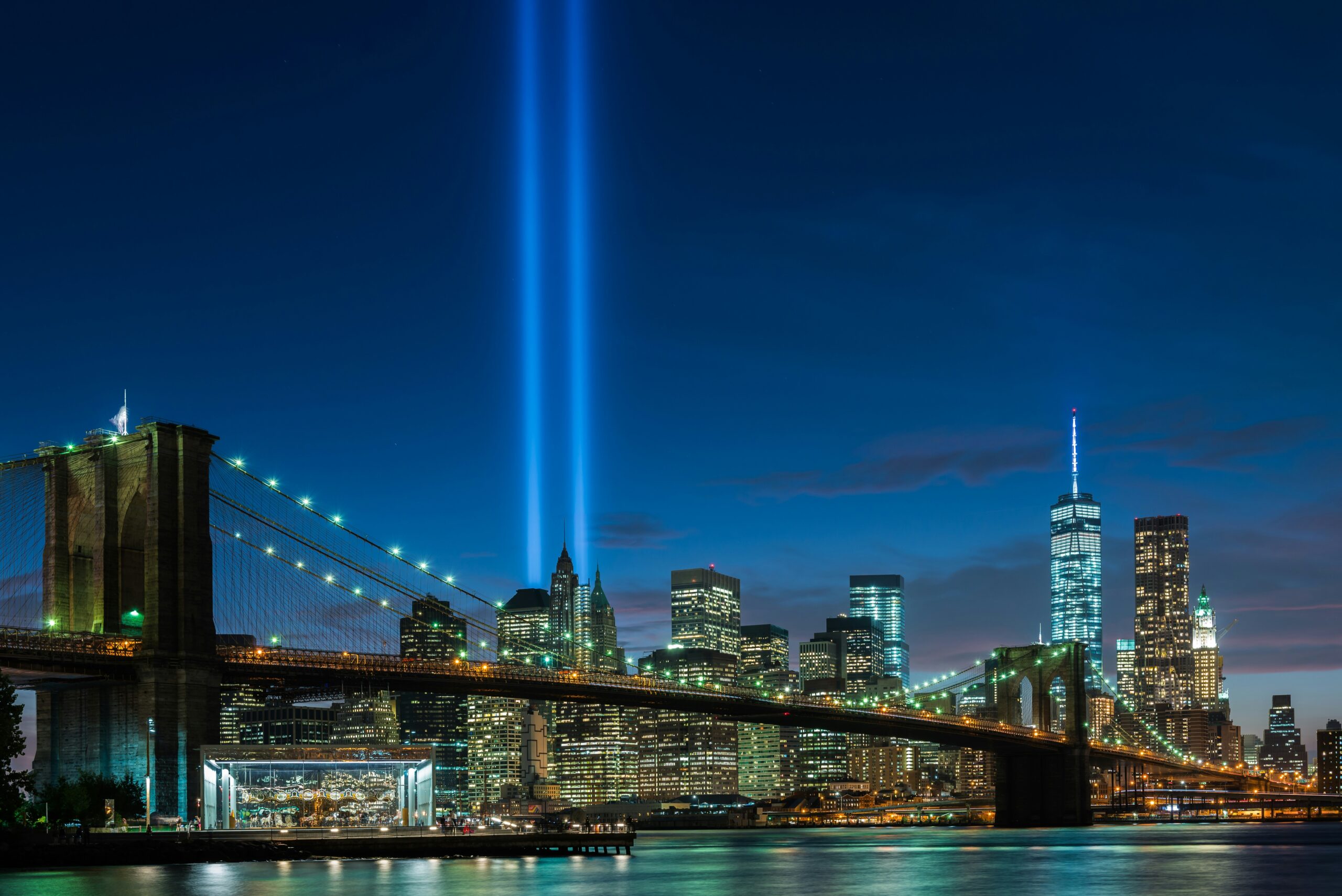
Today marks the 25th anniversary of the 9/11 terrorist attacks, which killed nearly 3,000 people at the World Trade Center in New York, the Pentagon in Virginia and a field near Shanksville, Pennsylvania. In the years since, roughly 150,000 people exposed to the attacks and their aftermath have developed chronic illnesses and other lasting health problems, per the World Trade Center Health Program.
Congress created the 9/11 Victim Compensation Fund just days after the attacks. The original fund operated through 2004, serving families of those killed and people injured on 9/11. It reopened in 2011, providing money to people who later developed illnesses linked to their exposure. Since then, it has paid $18.5 billion on tens of thousands of claims, and more than 750 new claims are still being filed each month.
For those applying today, one of the biggest challenges is proving they were there in the first place. “Don’t wait. If someone may have been exposed, start gathering documentation now,” said Cary Carbonaro, managing advisor and CFP at Ashton Thomas Private Wealth. “The process can be cumbersome, and it becomes much harder when you are trying to reconstruct decades-old information after a diagnosis.”
I Was There
Workers generally need verification from their employer or two witness statements to establish their presence in the disaster zone. But employers have closed, records have disappeared and witnesses can be difficult to find. The process can be even harder when a family member is filing on behalf of someone who has died. The VCF is also increasingly encouraging applicants to provide “primary proof,” such as pay stubs and attendance records, said Barry Salzman, a senior partner at Barasch & McGarry. “As we move further and further away from the event, the fund has gotten a little stricter,” he said.
Receiving the funds is critical as countless people returned to Lower Manhattan within days of the attacks, breathing in microscopic particles of cement, glass, asbestos and other toxic materials:
- The New York Stock Exchange reopened less than a week after 9/11. Many people living and working in the area later developed respiratory diseases, cancers or PTSD.
- Earlier this week, New York City released previously undisclosed records indicating that officials knew about toxic conditions in Lower Manhattan even as they reassured the public that the area was safe.
For those who receive compensation, the financial questions don’t end there. Salzman said his firm encourages clients to seek financial advice to manage awards that can range from roughly $90,000 to millions, depending on their illness and lost earnings.
“Many clients are walking away with a $225,000 award, and they’re thinking, ‘An advisor’s not going to be interested in this amount of money,’” he said. “We try to get advisors to accept people with smaller accounts. And if the person has a seven-figure economic loss award, they’re really primed to be in need of financial services.”