Half-Life of the Party: Issuers Position for Nuclear Renaissance
Fund managers are filing for Westinghouse and Holtec ETFs before they IPO. Will investors show up, or will the hype decay?
Sign up for exclusive news and analysis of the rapidly evolving ETF landscape.

Fund managers are going nuclear.
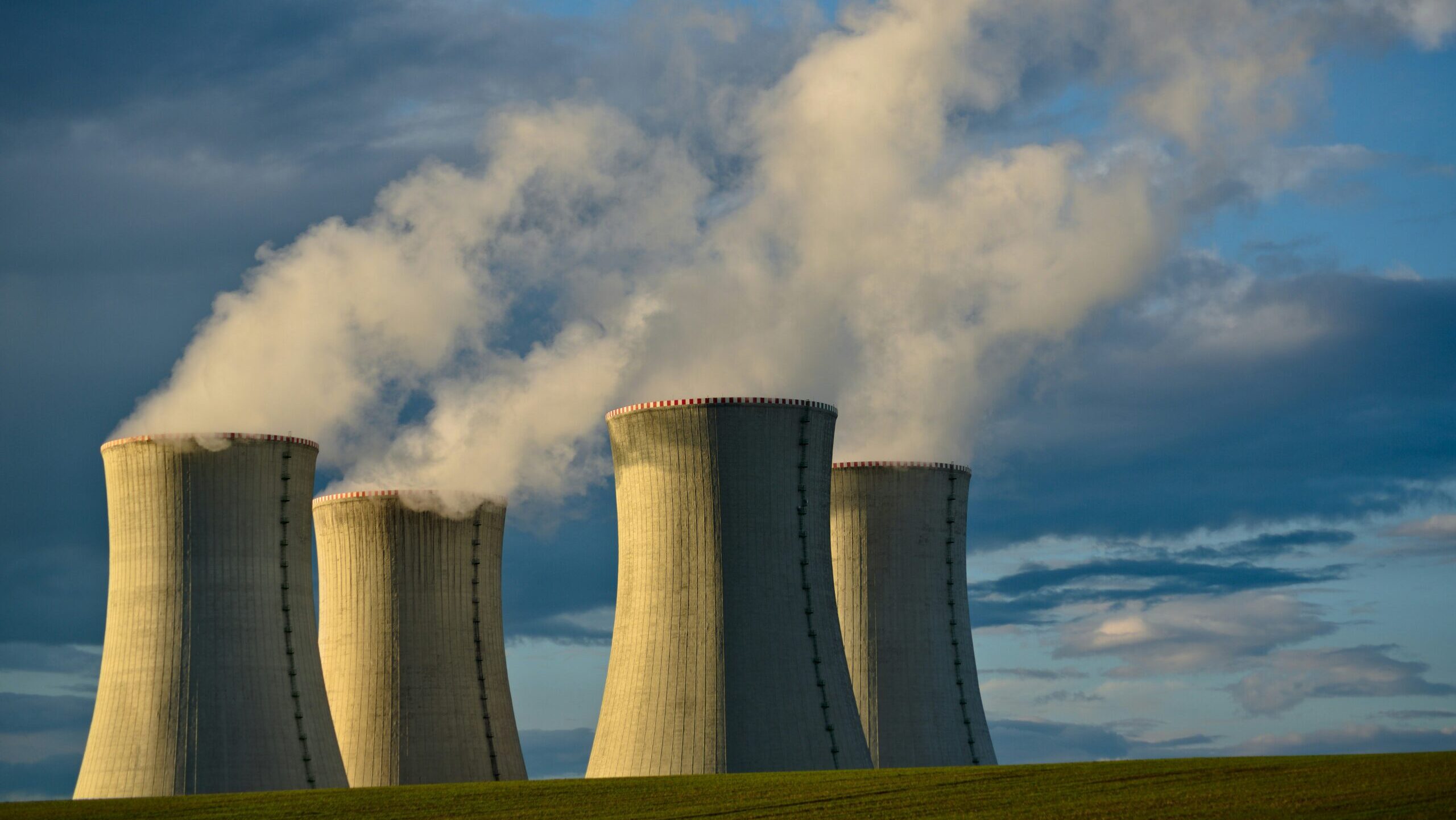
Themes ETFs and GraniteShares both filed prospectuses for leveraged single-stock funds of two nuclear companies expected to IPO soon. Both are prepping 2X long/short ETFs for Westinghouse, which is targeting an initial public offering in October. Themes ETFs also filed for a 2X long/short fund for Holtec Nuclear Corporation, which recently postponed its planned September IPO. It’s the latest sign of renewed interest in nuclear energy as the US’s need for power balloons alongside the AI buildout.
“What we’re seeing is the early stages of a nuclear renaissance,” said James West, head of energy and power research at Melius Research. “The perception that nuclear is dangerous — and the NIMBYism that has gone along with that for a long time — has faded.” While we’re still likely a decade out from the real boom, “nuclear fuel is the real future,” he said.
Wave Spotting
Fund managers have to try to get in front of the demand for a product so that they’re already on the market when people become interested, said James Seyffart, ETF analyst at Bloomberg Intelligence. “Roundhill filed for DRAM long before anyone was talking about DRAM as a huge part of the AI play,” he said. Issuers “want to catch [the wave] before it starts cresting in any way whatsoever. They want to get it while it’s still out deep in the ocean.”
Two other issuers recently filed prospectuses for thematic ETFs along similar lines:
- Roundhill filed for an AI Power and Infrastructure ETF that will invest in companies whose business is “power generation equipment and systems used to serve data center and other large electrical loads,” which includes nuclear reactors.
- Another firm, Kayne Anderson, is preparing its Energy Equity and Power Equity ETFs, which will invest in companies whose business is “energy-related endeavors” and electrical power or natural gas services, respectively.
Fission Impossible: There are multiple roads to success for funds like this — investors could use them to get exposure to a sector, or the funds may get into the zeitgeist, like DRAM. “They’re not doing this because they think there’s a 100% chance that this thing is going to take in tens of billions of dollars,” Seyffart said. “They think maybe this will be successful.”