Why Issuers Are Betting on the AI Trade Going Global
Providers are targeting AI-adjacent companies abroad in pursuit of returns, with some leaving US firms behind altogether.
Sign up for exclusive news and analysis of the rapidly evolving ETF landscape.

Emerging markets are booming, tech is ballooning … anybody up for a twofer?
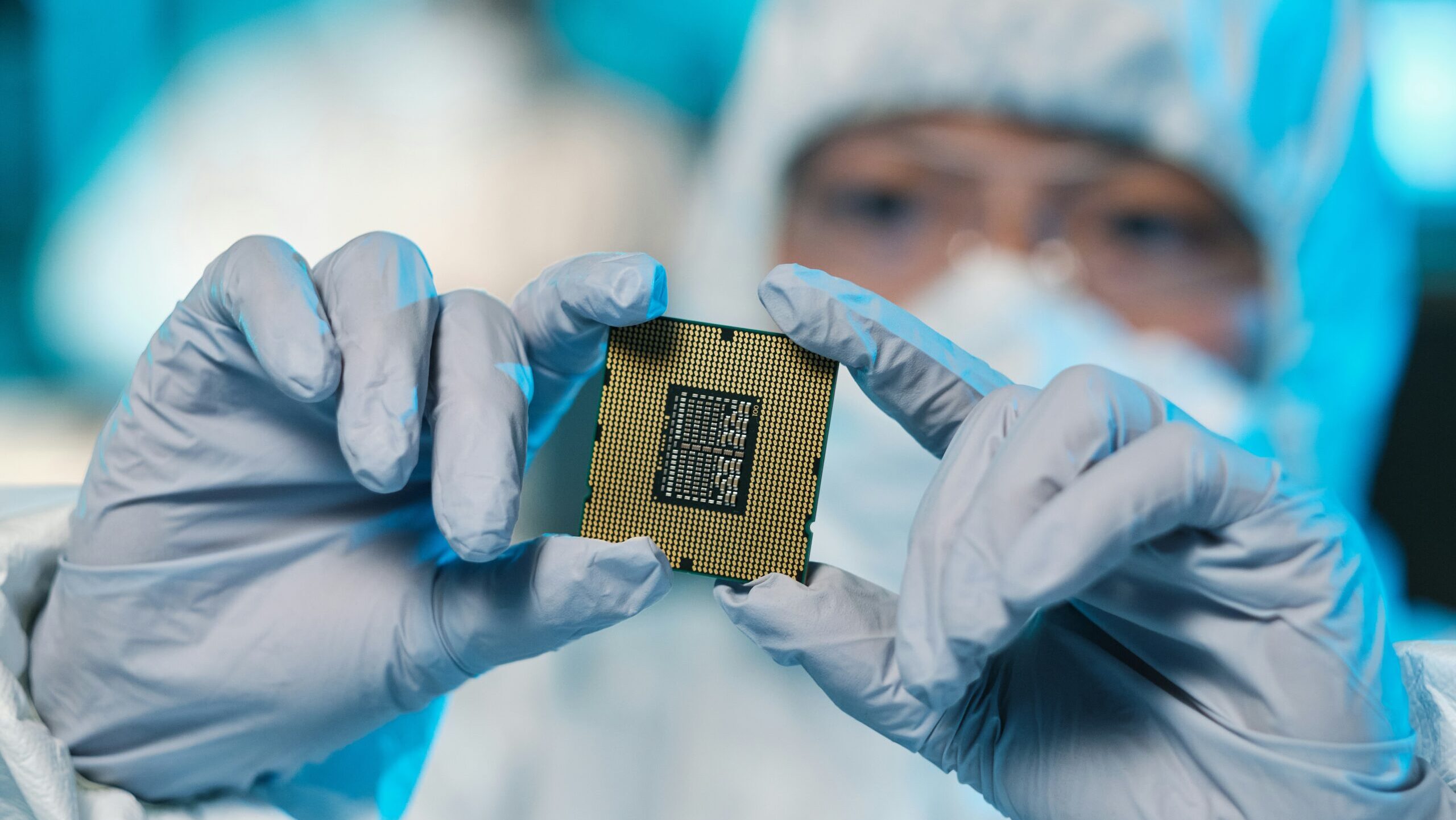
As the American tech industry shows no signs of slowing down, some fund providers are looking abroad to get even more AI and semiconductor exposure. Recent funds from EMQQ Global and xETFs have focused on tech firms abroad, specifically in countries like China and South Korea, respectively. Late last year, Defiance also brought to market a leveraged product targeting Taiwanese semiconductors. The trend may signal a shift in how US issuers are tackling the issue of overconcentration in the market, particularly given certain American products’ reliance on emerging market companies’ infrastructure and hardware.
“AI, as it has arrived and become a bigger part of the economy and stock market, has also arrived in emerging markets,” said Kevin Carter, founder of EMQQ Global, an emerging markets investment and research firm that just launched a fund focusing on Chinese large language models. “Emerging markets are relevant for a number of different AI reasons, one of those [being] that Asian hardware manufacturers are basically making all the profits coming from making data centers.”
More Themes, Please
The proliferation of new products targeting South Korean companies, in particular, points to the emergence of even more niche thematics, funds that target things like memory or photonics. Combining emerging markets with tech is just the latest way to get into a concentrated but high-performing sector, said Johnny Wu, CEO of xETFs, which recently launched a Korean semiconductor fund. Since many semiconductor strategies are “US-centric,” he said, having a Korea-specific fund can fill a gap in investors’ portfolios while offering access to potentially massive returns. (South Korea’s KOSPI index was the best-performing in the world last year.) The fervor also shows in the scale of Korea’s stock market fallout from leveraged funds, as regulations tighten on investors’ ability to trade them. Getting in on Korea now is a bet on that market’s continued success, Wu said.
“There’s a saying, the best time to plant a tree is 20 years ago. So yes, there’s competition from companies in China and other areas, but for them to catch up, that will take a better part of five to 10 years,” Wu added. Still, such products have high fees, as these things often do; EMQQ’s new fund has an expense ratio of 86 basis points.
Wait, Open-Weight? One reason a fund might exclude American AI companies is US models’ closed, as opposed to open, status, Carter said. Chinese LLMs tend to be “open-weight,” he added, meaning the systems are available publicly for anyone to download and alter.
“It’s basically a US-versus-China story, and the big difference is US models are closed models,” Carter said. “I mean, Airbnb is built on China’s open-weight models … In the development community in the United States, there’s been a lot of acceptance already of open-weight models from China.”