White House Affordability Push Grabs Big Bank Bulls by the Horns
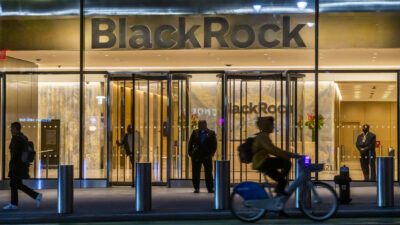
The six largest US banks paid more than $140 billion in dividends and buybacks last year, setting a record, according to Bloomberg.
Sign up for smart news, insights, and analysis on the biggest financial stories of the day.

Is the bull case for banks about to get much harder to make?
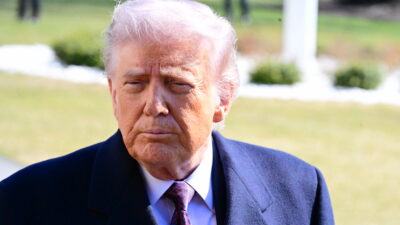
Earlier this month, President Donald Trump ordered defense companies to stop repurchasing their own shares and his director of the Federal Housing Finance Agency, Bill Pulte, said the agency is scrutinizing how much homebuilders spend on buybacks. The White House said that those moves weren’t coordinated and didn’t extend to other industries, per The Wall Street Journal. But if buybacks are becoming a political risk, banks could be in trouble.
The president has begun making more populist proposals — such as curtailing credit card interest rates — to buoy affordability and appeal to voters before this year’s midterm elections, which could change the balance of power in Congress. And while his authority to enforce a prohibition on defense company buybacks is unclear, banks already have to seek government approval for repurchases under regulations meant to ensure they can withstand shocks to the financial system.
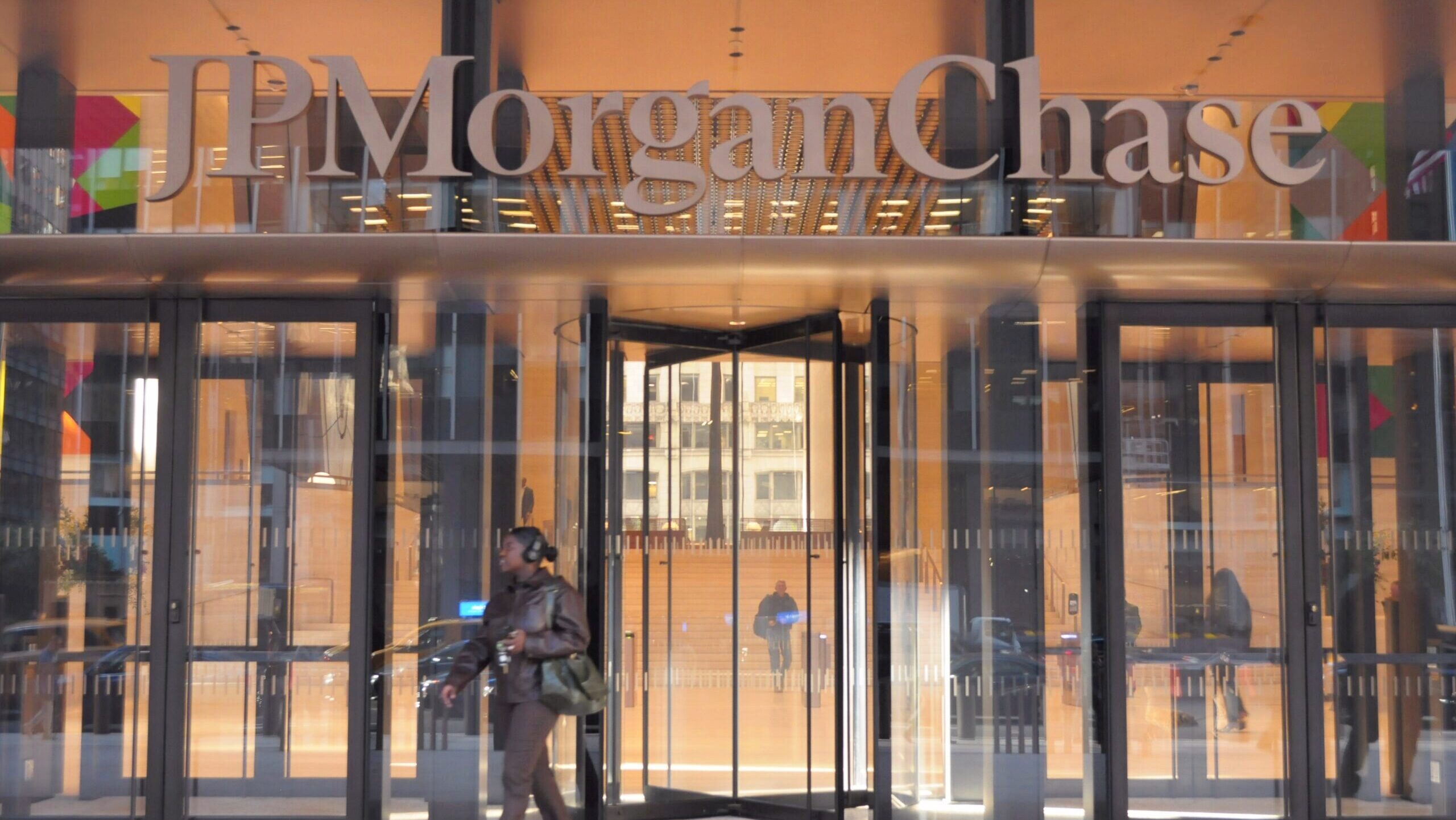
The six largest US banks spent more than $140 billion on dividends and buybacks last year, beating the record set in 2019, according to Bloomberg. JPMorgan Chase is particularly keen on repurchasing its own stock: The giant bought back more than $30 billion of shares — a high for Wall Street banks.
Political Cost of Capital
Banks tend to hold more capital than their minimum regulatory requirement, and the bull case for lenders often assumes that they’ll use some of that extra money to buy back shares and boost their earnings. Some upcoming reforms could result in lower requirements for the capital that banks hold, freeing even more money to reward investors, says Sean Dunlop, director of equity research at Morningstar.
“Most banks are holding the extra capital today either because they are awaiting regulatory clarity regarding their ultimate capital requirements or because they view their own shares as too expensive to justify extensive share repurchases, or some combination thereof,” Dunlop says.
But if banks can’t carry on with buybacks, they would have to use capital elsewhere:
- Their options are more lending, more investments in securities (of which US Treasurys make up a disproportionate share) or higher dividend payments. But Dunlop says banks are reluctant to raise dividends much higher than they are today, and there are demand-side limits to how much they can safely grow their lending. In other words, signs point to larger Treasury holdings.
- That could be a good thing for the Trump administration. But for banks, holding Treasurys offers a lower return on assets than they’d probably like.
Hopeful No More: Banks started Trump’s second term with optimism about his plans for deregulation. It’s safe to say that his recent plan to cap credit card interest rates at 10% and his threats to sue JPMorgan Chase over allegedly “debanking” him have the industry singing a different tune.
Recent News
-

Photo illustration by Connor Lin / The Daily Upside