Chevron Targets $7B Investment in Venezuela
As geopolitical risks interrupt traditional supply routes, it’s becoming more important to tap into areas with major reserves.
Sign up for smart news, insights, and analysis on the biggest financial stories of the day.

Chevron is getting a sweet deal on Venezuela’s sour crude.
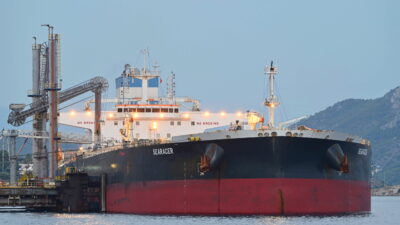
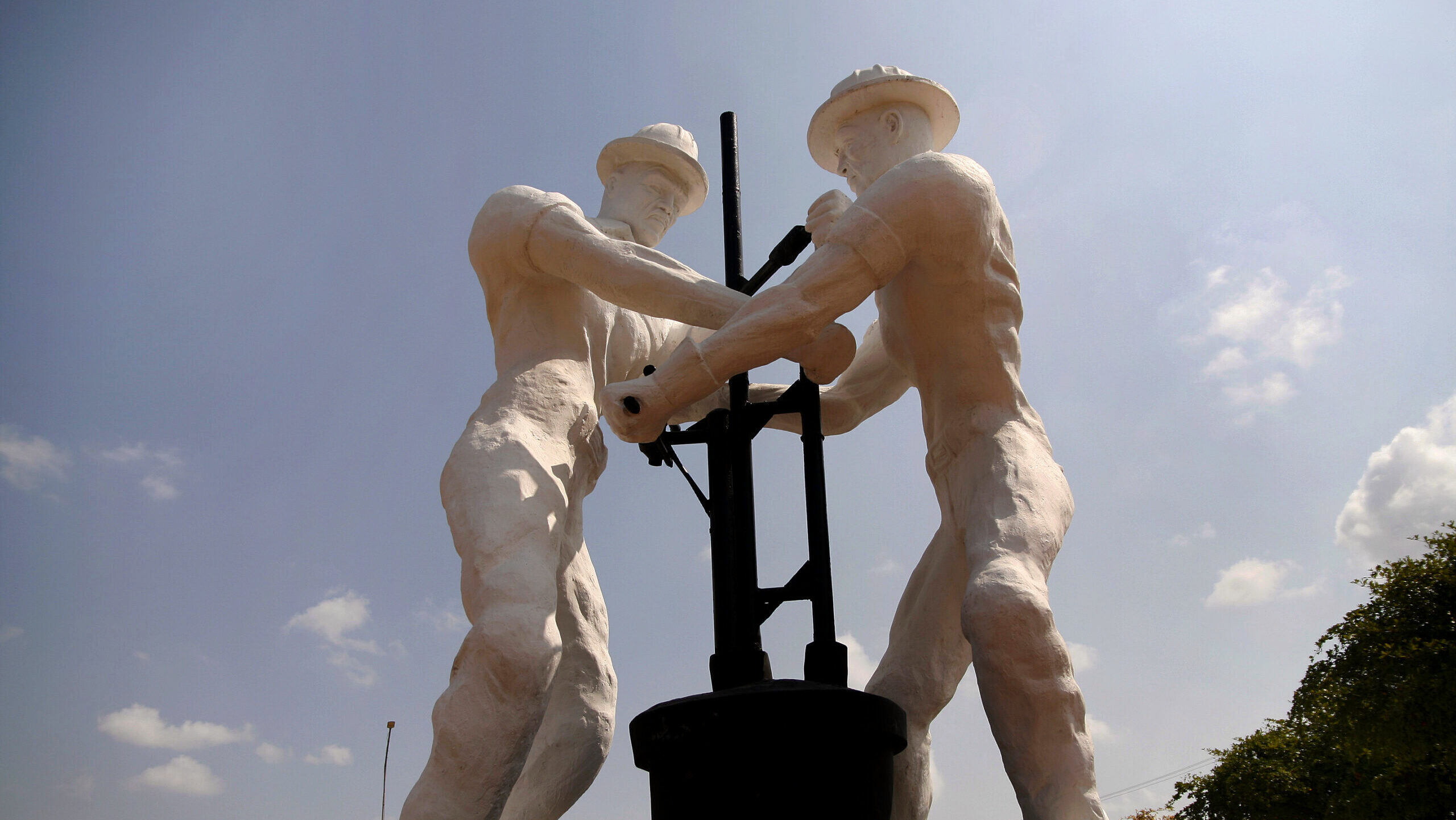
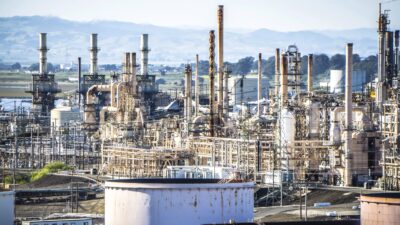
Last week, the Houston-based company announced that it’s investing more than $7 billion in Venezuela over the next five years, more than doubling its production there to roughly 600,000 barrels a day. Chevron is already the largest private oil producer in the South American country, where it has been operating since 1923, meaning it has plenty of experience and the right infrastructure to make the most of the expansion. The company’s three joint ventures in Venezuela have grown production by 15% year-to-date, and the new agreement comes with “enhanced fiscal, commercial and legal terms” plus more acreage in the Orinoco Belt, per the statement. Total costs will be less than $20 per barrel.
Oil Economics
Venezuela has the world’s largest oil reserves, but its energy industry isn’t close to taking full advantage of that potential. Reuters reports that its current oil output is only about 1.25 million barrels per day (bpd) compared with the more than 3 million bpd it was producing 20 years ago. The decline is the result of dysfunction at PDVSA, its state-run oil firm. But US Energy Secretary Chris Wright recently said that the country is expected to hit 2 million bpd by the end of the decade.
It’ll take years before Chevron hits the numbers outlined in the deal, and even when it does, it won’t be bringing enough online to replace Persian Gulf crude. But there’s plenty untapped, and the US is looking to take advantage:
- GE Vernova recently agreed to help fix portions of the country’s power grid. The Department of Energy says it “plans to bring 1 gigawatt of new reliable power online within the first 24 months, in addition to 5 gigawatts over the following four years, significantly expanding Venezuela’s power capacity.” Wright recently traveled to Venezuela to oversee the closure of the deals with Chevron, GE Vernova and Italian energy company Eni.
- Chevron’s news came just days after President Trump announced a separate (and unusual) deal to take control of a large portion of Venezuela’s oil reserves via a partnership with a private company.
Crude Awakening: The Chevron deal points to the broader dislocation in the energy markets that continues to be top of mind for policymakers and investors. As geopolitical risks interrupt traditional supply routes, it’s becoming more important to tap into areas with major reserves, even if it will take billions of dollars and years to turn investments into actual energy security.
Recent News

-

Photo illustration by Connor Lin / The Daily Upside

-
Zach Dell (Yes, That Dell) Charges Up a $13 Billion Backyard Battery Startup

Photo via Base Power