Middle East Oil Flows Surpass Prewar Levels, but Don’t Bet on Price Drops
Preliminary estimates suggest regional flows hit roughly 24 million barrels per day last week, passing the prewar 23.3 million.
Sign up for smart news, insights, and analysis on the biggest financial stories of the day.

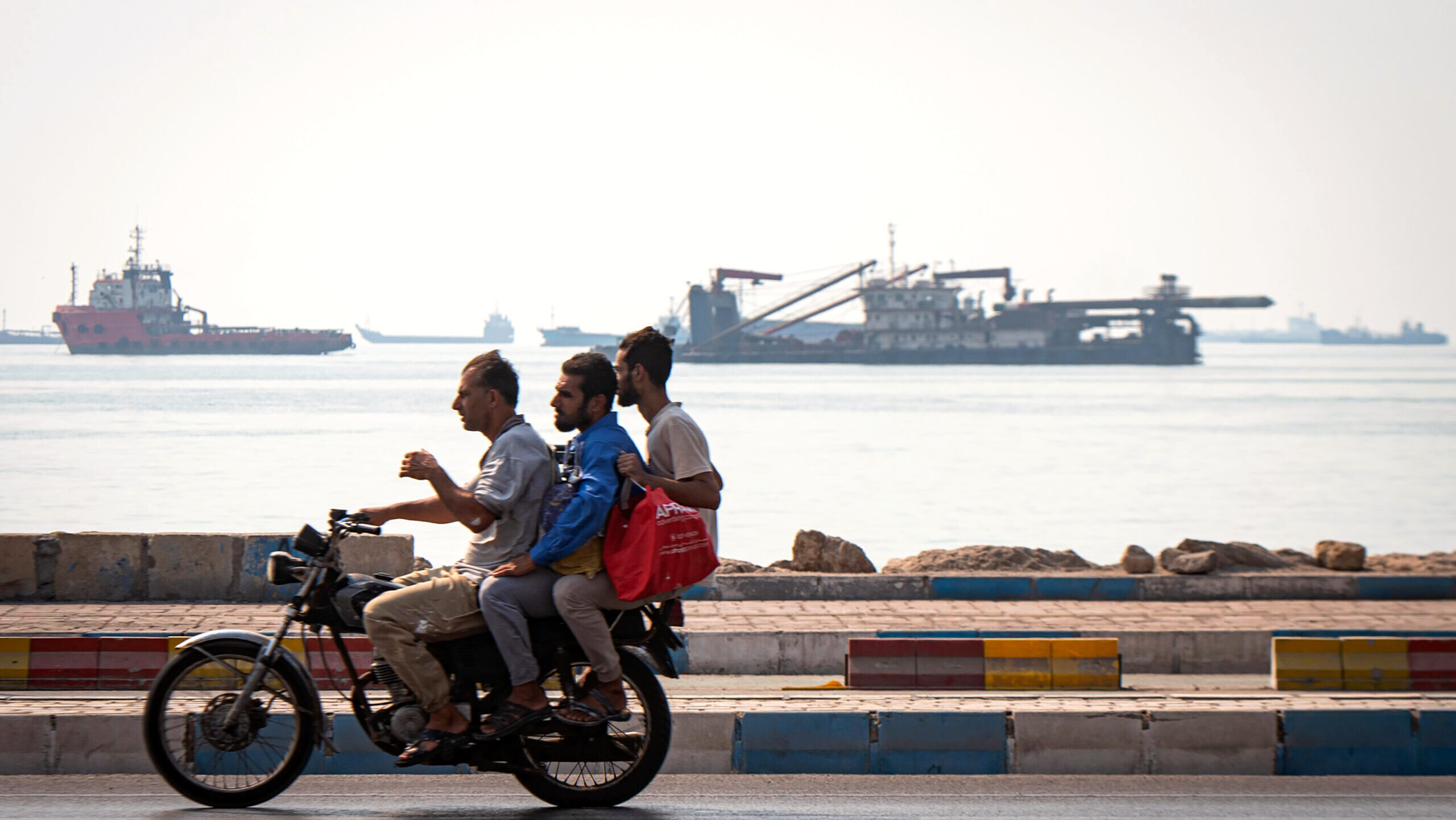
It was a long way back, but oil shipments in the Middle East are above prewar levels. Preliminary estimates from Kpler cited by The Wall Street Journal Wednesday suggest regional flows hit roughly 24 million barrels per day last week, passing the prewar 23.3 million. Kpler estimates that 40% of crude shipped out of the Persian Gulf now avoids the war-torn Strait of Hormuz, flowing through alternate routes and pipelines at more than double prewar levels.
That’s not to say everything’s back to normal. International benchmark Brent crude closed up 1% on Wednesday at $109.87 in the latest sign that rebalancing global energy markets will not be easy.
Pump and Circumstances
Since the US-Iran war first disrupted energy flows in the Strait of Hormuz in February, the Trump administration has gone deep into its policy toolkit to try and neutralize the resulting surge in energy prices. The US released emergency reserves, lobbied allies to do the same, relaxed gasoline standards, waived restrictions on foreign-flagged vessels delivering oil to US ports and most recently struck a controversial diesel deal with sanctioned Russia. Your latest gas station receipt can tell you how that’s gone.
Even with Middle East oil shipments above prewar levels, the conflict will hurt at the pump until it’s resolved. “The fact that oil prices are well supported despite the improvement in flows from the region appears to reflect concerns over how sustainable this supply is, particularly when considering the geopolitical backdrop,” said Warren Patterson, head of commodities strategy at ING. “To see this risk premium erode, the market may need the comfort of a deal.” Washington and Tehran are in indirect talks, Iran’s foreign minister said Wednesday, but Iran continues to attack tankers in the strait and its Houthi militant allies in Yemen have been striking energy infrastructure in Saudi Arabia. The risk premium remains.
Another crucial factor is that, even though crude flows are back, the market for refined products remains mired in bottlenecks. That means expensive gas, diesel, jet fuel, and other petroleum products. The International Energy Agency said last week that refined product shipments out of the Middle East “remain below half of their prewar levels.” US oil refiners are working at full tilt, and US Secretary of State Marco Rubio met with India’s largest refiner about taking on more Western crude on Wednesday. But with capacity dented by the war, the IEA expects constraints on refined fuel supplies to “persist well into 2027.” Regional leaders share concerns:
- Nawaf Saud Al Sabah, the head of Kuwait’s state oil company, told the Dow Jones Energy Conference in New York on Wednesday that his country has idled 600,000 barrels of daily refining capacity because there aren’t enough tankers willing to take it. A total of 6 million barrels per day of refining capacity is still offline in the Gulf.
- Al Sabah said new pipeline and storage infrastructure can’t replace an open Strait and, according to Dow Jones, urged foreign governments and companies to do more to secure energy trading: “It cannot be a producer risk that is borne completely.”
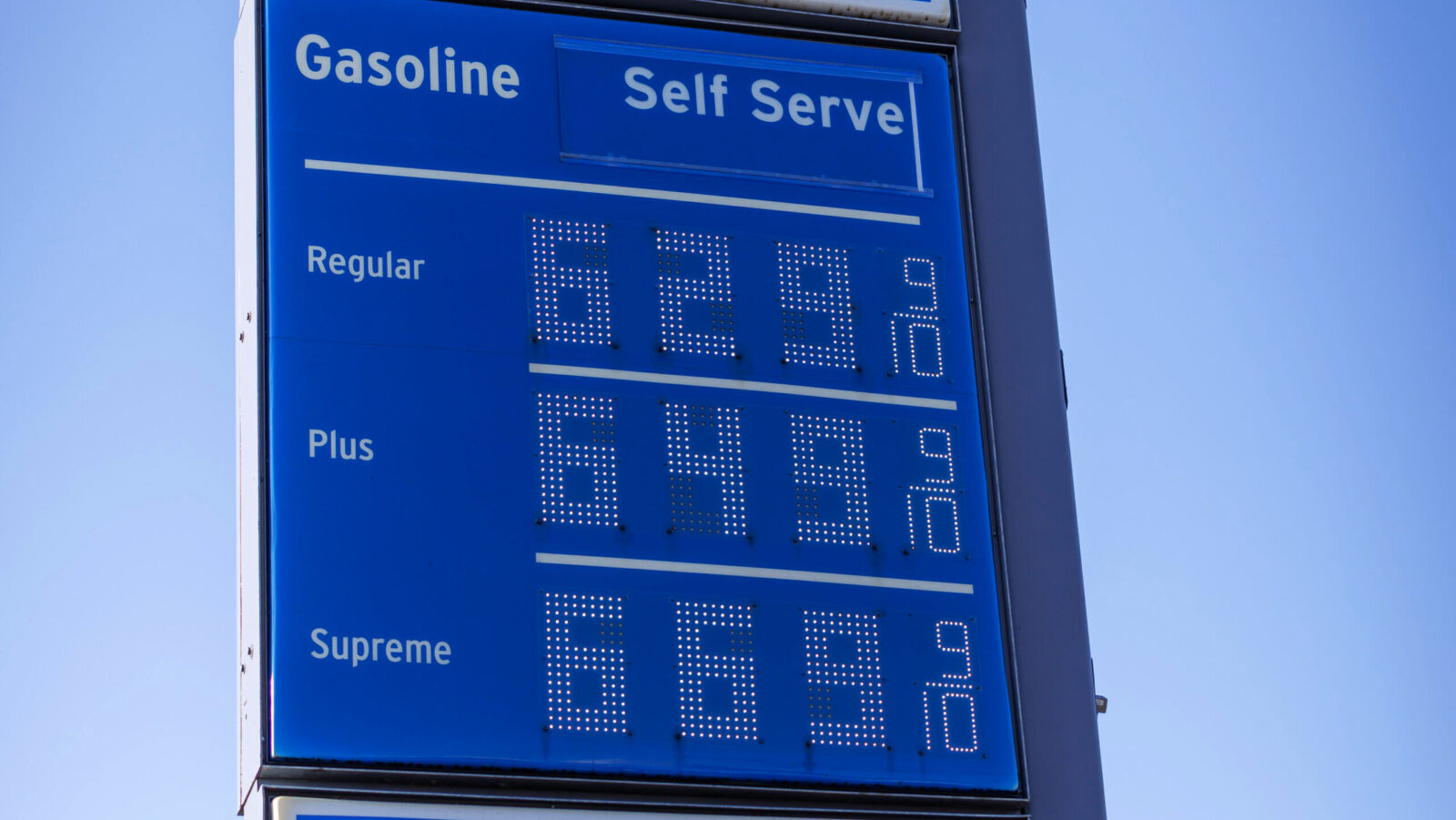
Picking Up The Tab: The average price of a gallon of gasoline in the US was $4.26 yesterday, up roughly 40% year over year, according to AAA. Diesel, at $6.31, was up 74%. “Americans have now cumulatively spent $138.8 billion more on gasoline and diesel since March 1st,” Patrick De Haan, head of petroleum analysts at Gasbuddy, said this week. “That’s roughly the same as buying 337,897 homes at the median US home price of $410,700 each, housing a population of 845,000-860,000 people — similar to Indianapolis.”
Recent News



-
Spiking Diesel Costs Drive Growing Number of American Family Farms to Bankrutpcy

Photo illustration by Connor Lin / The Daily Upside