Higher Energy Costs May Boost Social Security COLA Next Year
A welcome downturn in energy prices last month has reversed in July.
Sign up for smart news and actionable insights on the strategies, products, and policy shifts shaping retirement outcomes.

Roller coasters are fun. Roller-coaster inflation? Not so much.
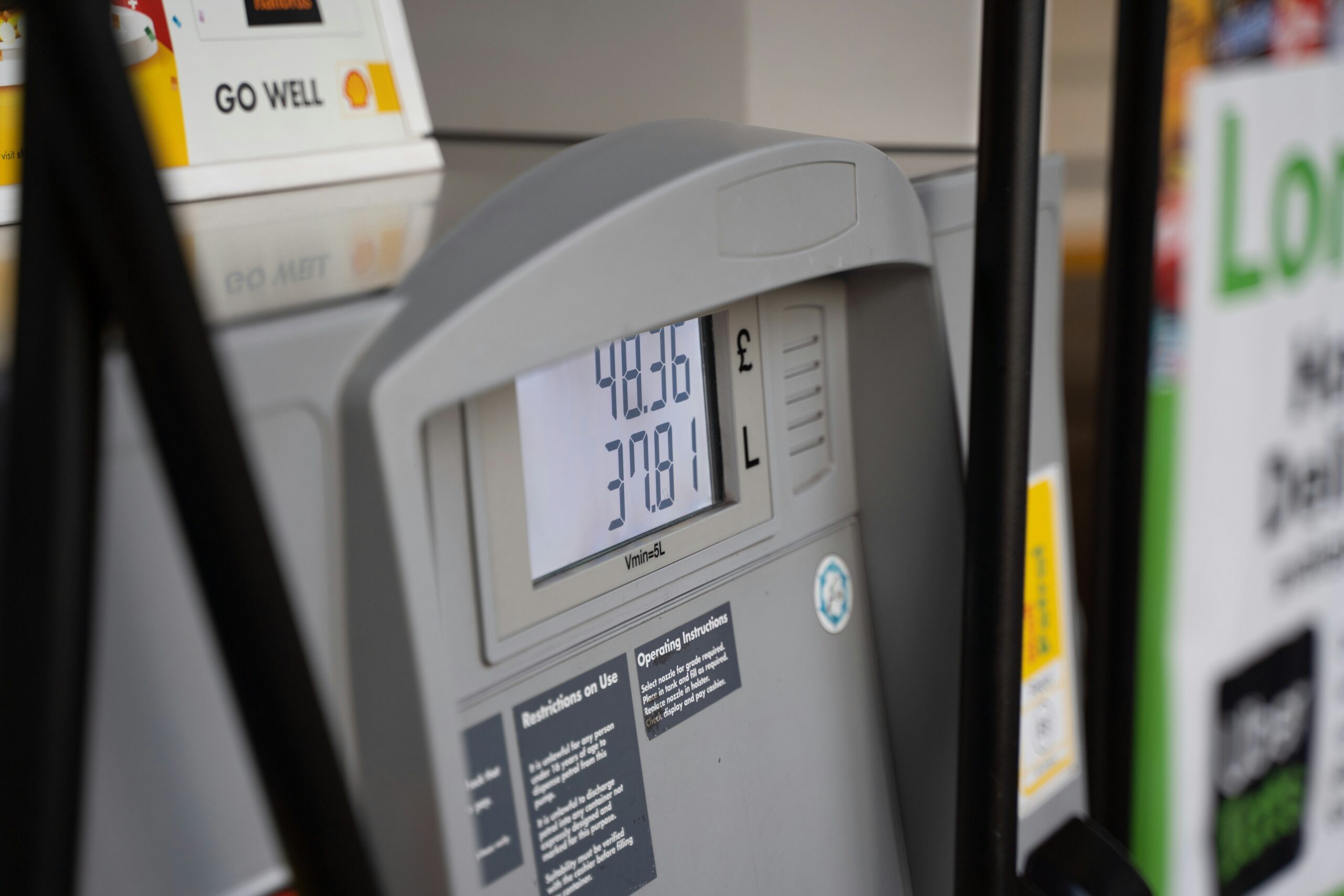
Consumers got a welcome respite from rising inflation in June, thanks largely to plummeting energy prices, with the cost of crude oil falling 25% during the month. That trend has reversed in July, thanks in no small part to renewed conflict in the Middle East that seems unlikely to end soon. It’s bad news for consumers in general, but there’s one silver lining for Social Security beneficiaries. Inflation data from the third quarter is used each year to set their cost-of-living adjustment, so higher energy prices in the next few months could boost benefit checks for 2027.
“Inflation is very volatile at this point, particularly in the way energy prices are affecting the COLA projection,” said Martha Shedden, president of the National Association of Registered Social Security Analysts. “There were earlier estimates as high as 4.7%, but I think that’s probably outdated at this point.”
Up and Away?
Just how high could the COLA be next year? The Senior Citizens League currently projects a 3.8% benefit boost, which would be one percentage point higher than this year’s increase of 2.8% and might increase meaningfully if inflation spikes and remains high through the end of September. That has happened in the not-too-distant past:
- Inflation pressures stemming from supply chain issues and other causes delivered a COLA of 8.7% for 2023.
- The highest COLA in history was 14.3%, implemented in 1980 in response to severe stagflation and the energy crises of the late 1970s.
For added context, a 3.8% COLA for next year would be above the 2.6% average COLA over the past 20 years. If it took effect today, average benefits would rise from $1,937.53 to $2,011.15.
A (Very) Long Shot. In related Social Security news, US Rep. John Larson of Connecticut has reintroduced a bill that would provide relief to seniors losing buying power to high inflation by raising benefits 2% and setting the new minimum benefit at 125% of the federal poverty line. Additionally, the Social Security 2100 Act would increase the Social Security payroll tax and expand it to cover income over $400,000, which Larson said would shore up its trust fund for an additional 32 years.
Larson’s proposal enjoys support from the Senior Citizens League and other consumer advocacy organizations, but immediate passage isn’t likely. GovTrack.us gives it a 0% chance of passage in the current Congress.
“The bill can still do some good by keeping Social Security solvency in the public conversation,” Shedden said. “It also highlights how we can’t fix Social Security with one policy. It will take a group of changes and compromise from all sides.”
Recent News




-
Even Good Calculators Have Trouble With RMD Math

Photo by Jirapong Manustrong via iStock