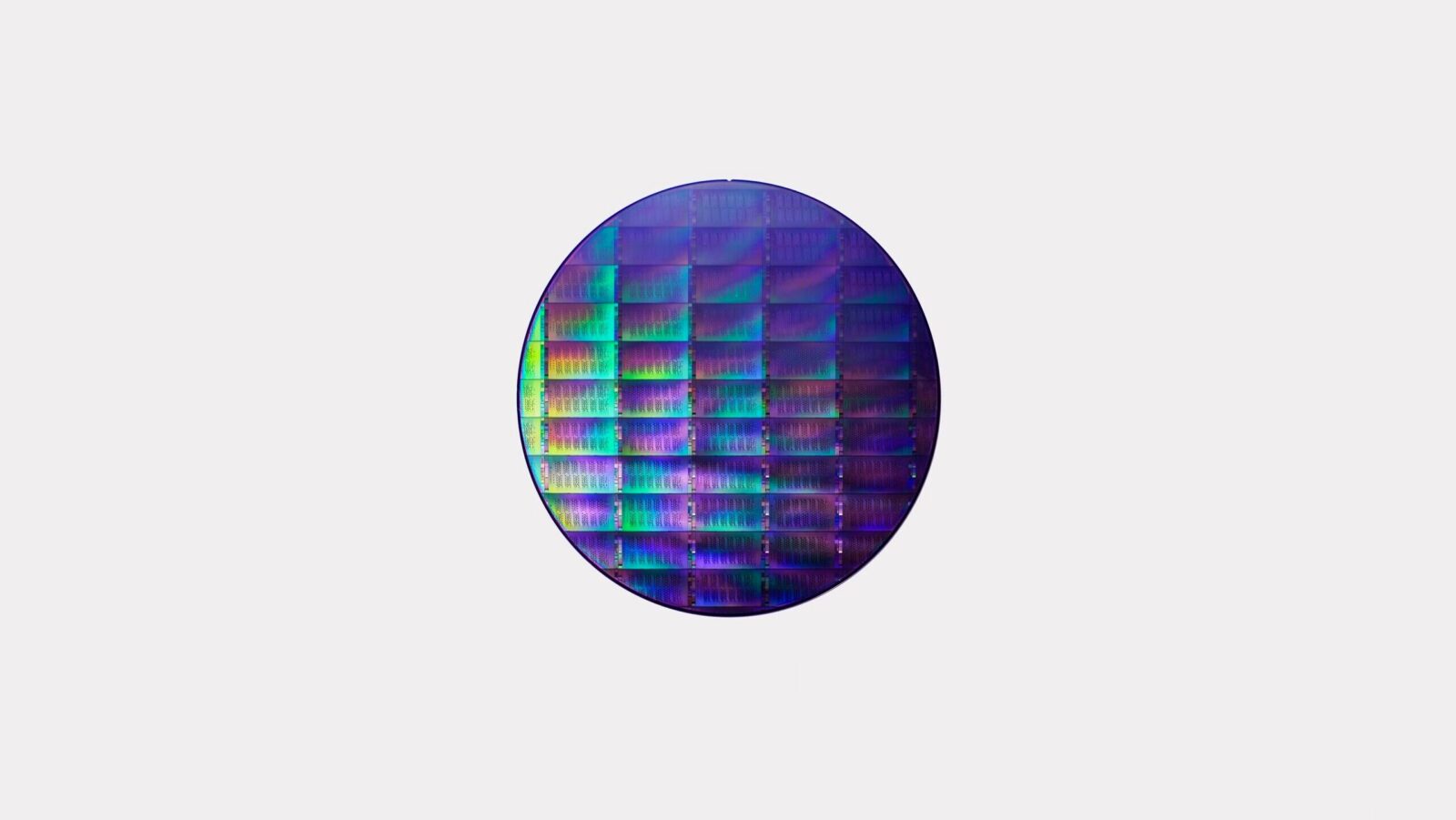
The federal government handed IBM $1 billion last week to help the build the first pure play quantum wafer foundry in the US.
Our daily email brings you smart and engaging news and analysis on the biggest stories in business and finance. For free.
Intel is chatting with SK Hynix, Reuters reported, to forge a deal that would see the latter make memory chips in the US for the first time.
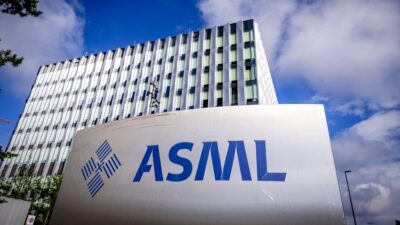
Barclays analysts called the announcement a “positive” for High NA EUV machines, which are viewed as crucial to ASML’s revenue growth.
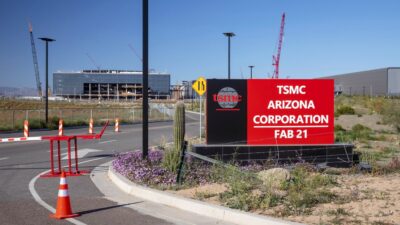
TSMC’s pledge to invest an extra $100 billion into its Arizona-based chip fab rekindled fears of overspending on artificial intelligence.
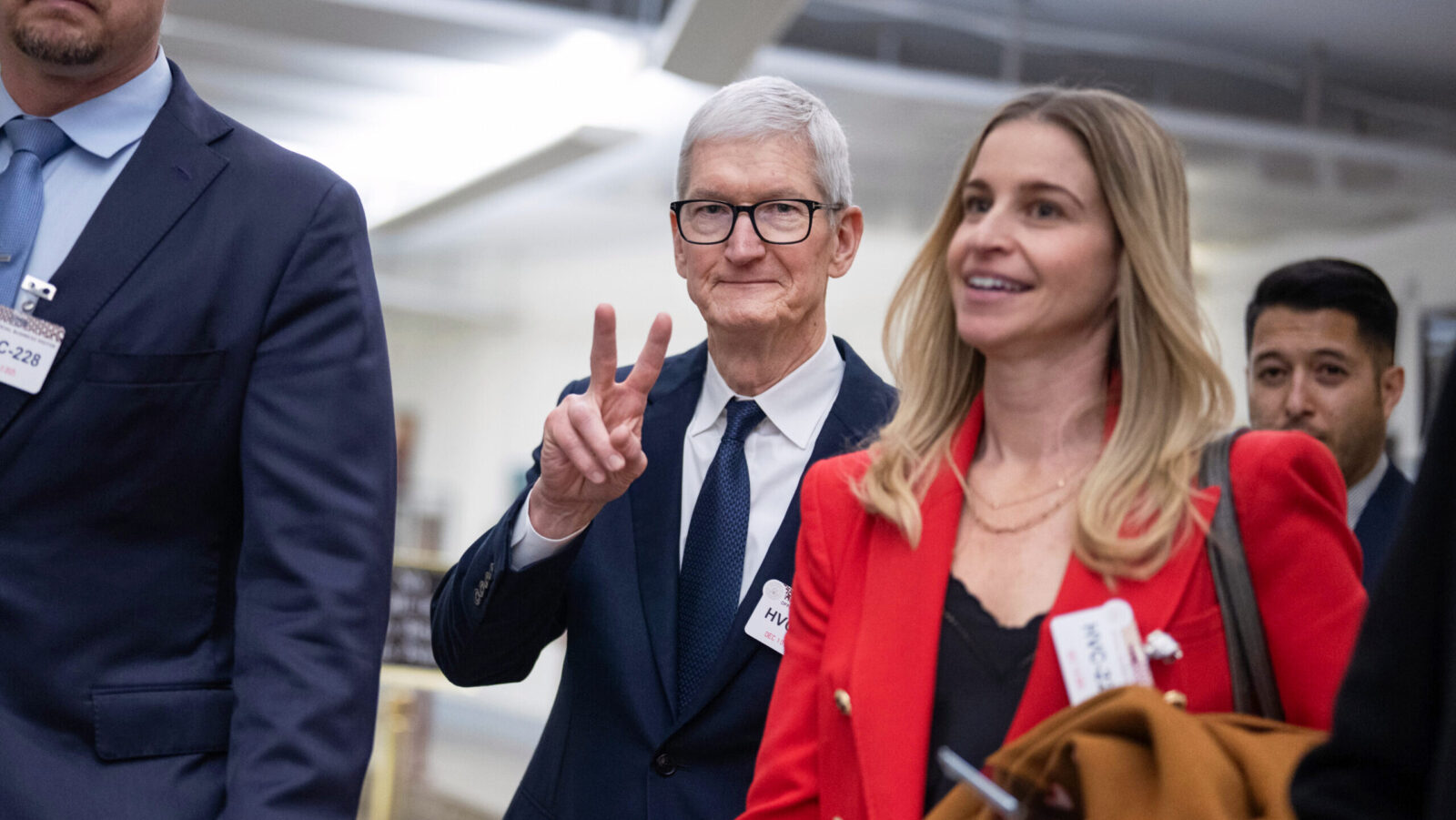
Apple shares climbed nearly 1% on the news, bringing it closer to reclaiming the throne as the biggest US company by market cap.
The US government took a 10% stake in Intel last year and the Trump administration has been arguably its best sales advocate.
A share price rally pushed ASML’s market cap to $668 billion on Wednesday, beating a European record set by Novo Nordisk in June 2024.
Apple’s supply chain and manufacturing dependencies have turned problematic in the age of tariffs and friend-shoring.
The good news is that CFO David Zinsner said that the company expects its supply to rebound through the rest of the year.
The foundry behind Nvidia’s and Apple’s chips predicted Thursday its capital spending would swell at least 27% this year.
The progress has earned Intel praise from one particularly important member of the audience: President Trump.
The company still makes more than 90% of the world’s most advanced AI chips and is a leading supplier for nearly every major tech firm.
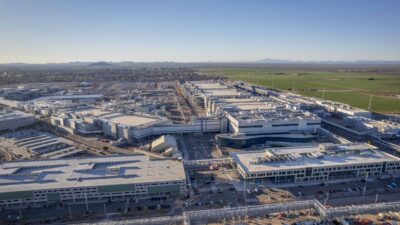
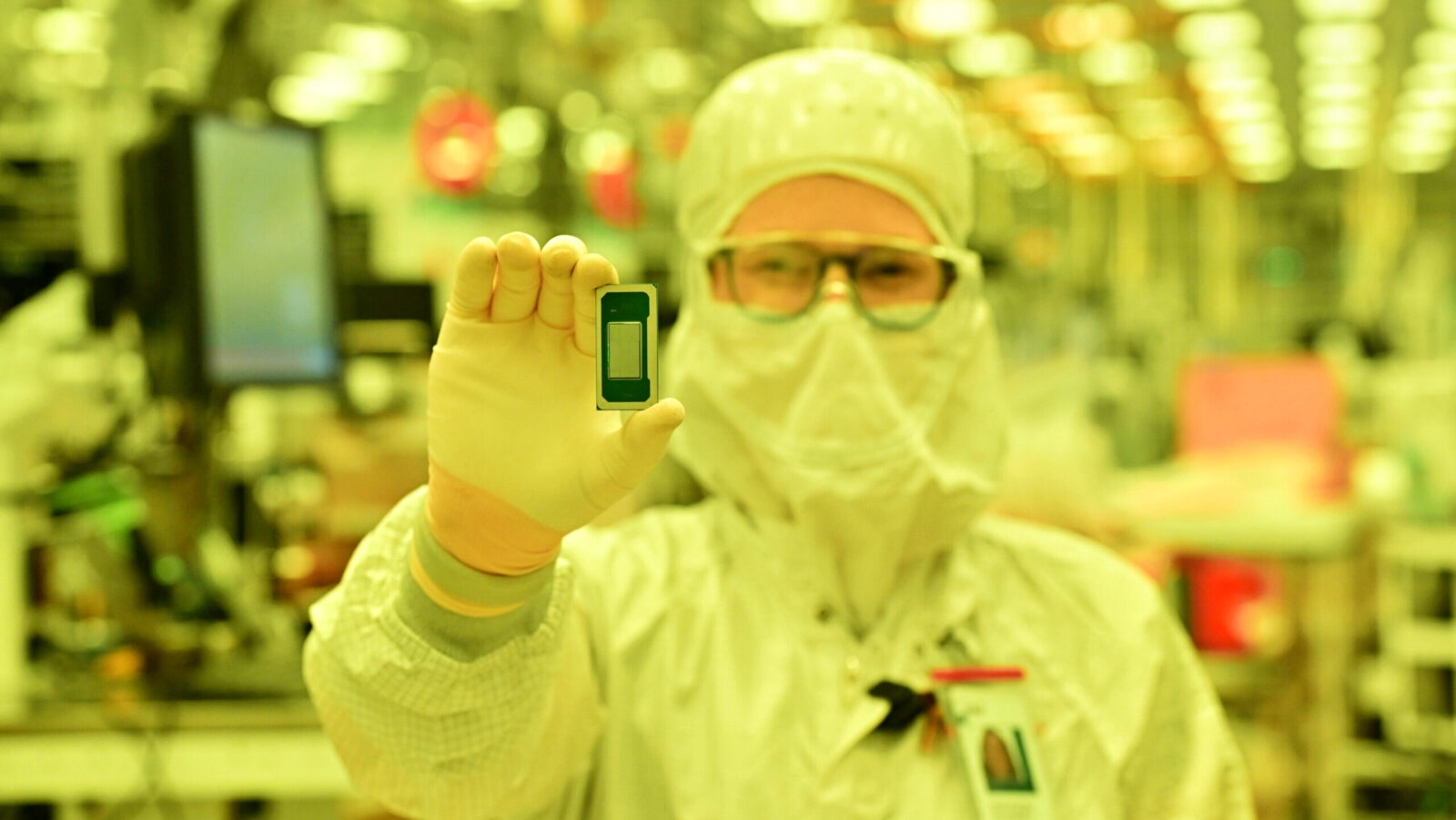
Intel has invested more than $20 billion in the new factory, which will churn out its chips in the US for the first time in nearly a decade.
Unfortunately for Intel, the deal does not provide a direct lifeline to its floundering chipmaking foundry business.
The deal comes as the US government explores a deal to take as much as a 10% ownership stake in the Santa Clara, California, firm.
When it comes to competing on the world’s semiconductor stage, US lawmakers are not content to let the chips fall where they may.