Apple Joins the High-Tech Price-Hike Club
Samsung, Dell, Nintendo, Sony and Microsoft have all recently announced price hikes to their consumer electronics.
Sign up for smart news, insights, and analysis on the biggest financial stories of the day.

Nintendo’s price hike for the Switch 2 was the canary in the coal mine.
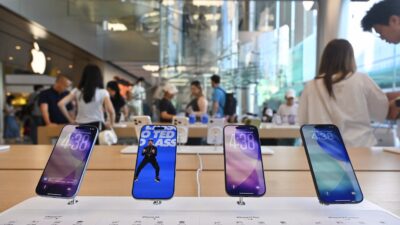
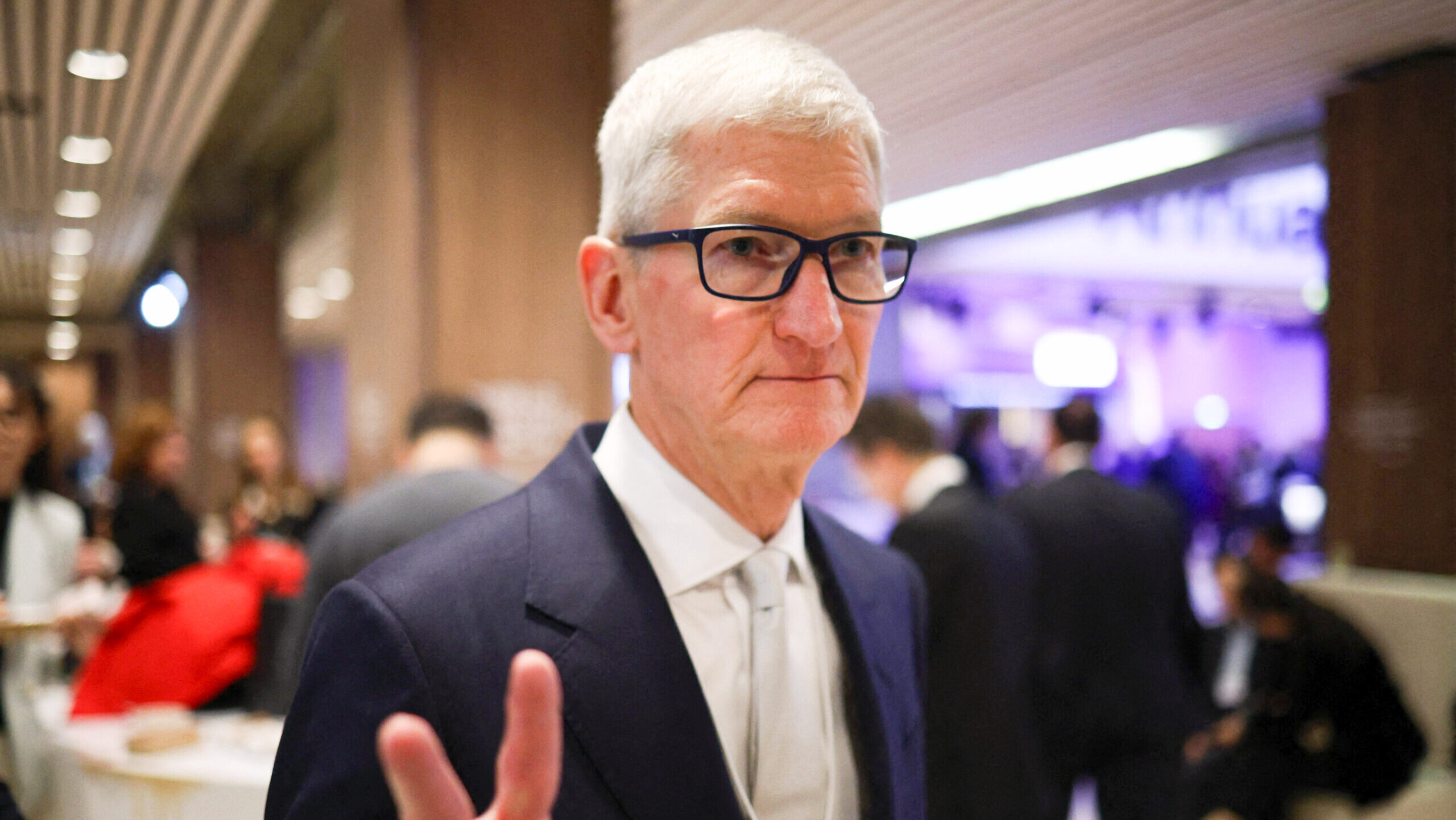
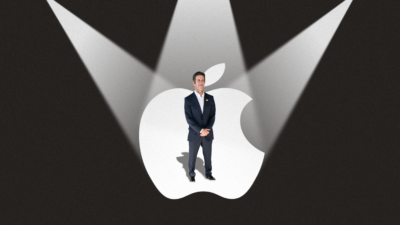
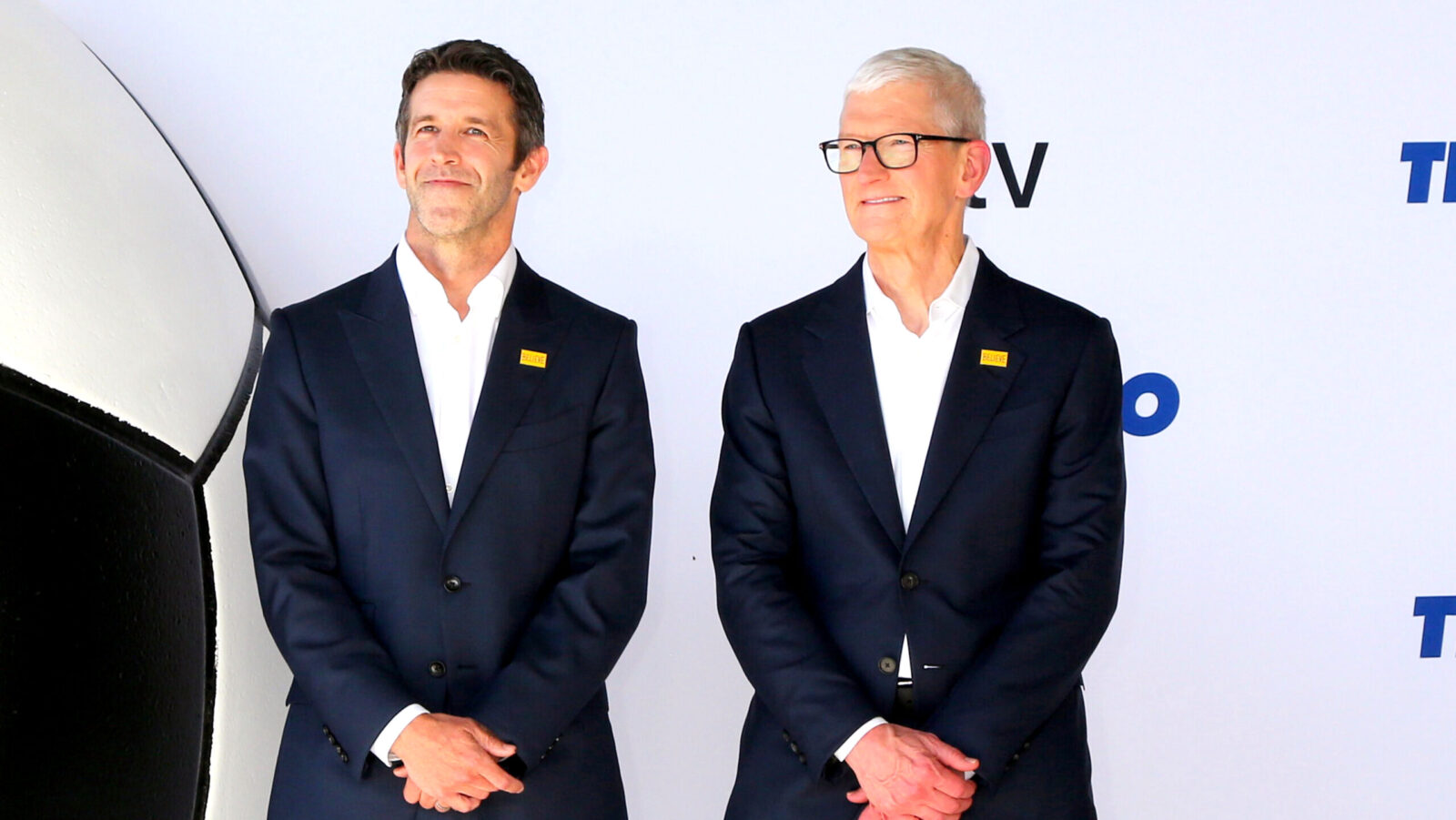
On Thursday, a somewhat apologetic Tim Cook told The Wall Street Journal that consumers should also expect to pay higher prices on Apple products in the near future. Cook didn’t give specifics, but he did call the hikes “unavoidable,” due to an “unsustainable” surge in memory costs. While nobody likes gadget-flation, we imagine at least one person is happy to see the headline: incoming Apple CEO John Ternus, likely grateful his predecessor took the price-hike PR hit on his way out.
One for the Memory Books
Anyone with decent memory recall knows Apple is actually a little late to the price-hiking club. In addition to Nintendo’s forthcoming $50 price increase for the Switch 2, Samsung, Dell, Sony and Microsoft have all begun charging more. Apple, thanks to its immense pricing power, had been able to keep costs down through massive bulk purchases of memory and storage. But stockpiles only last so long, and the gargantuan demand for computer memory in AI data center servers has trampled the consumer device side of the tech industry.
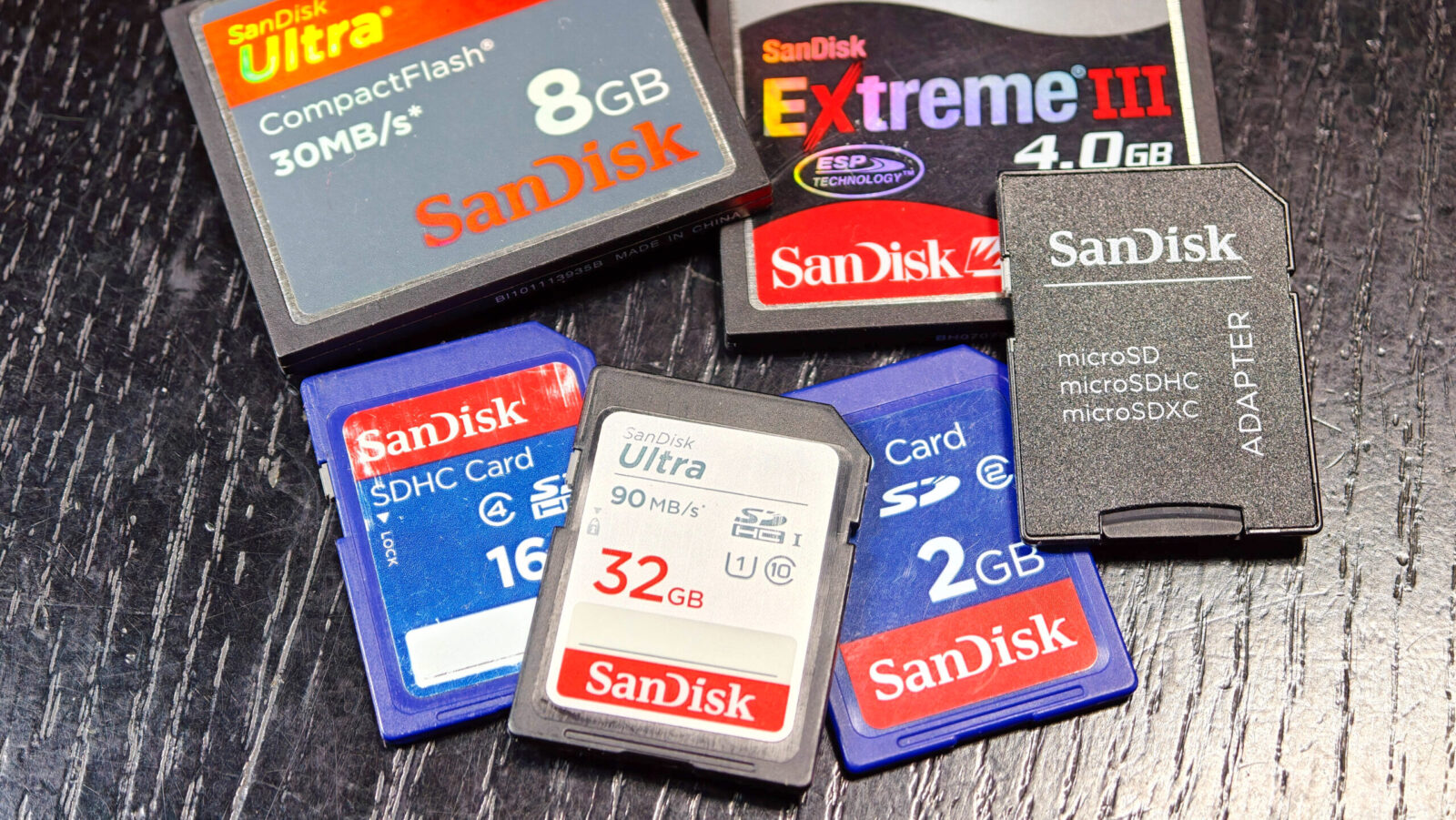
Prices of DRAM memory and NAND storage, the two key components of computer memory, will probably rise 125% and 234%, respectively, this year, according to an April report from research firm Gartner. “This is a hundred-year flood,” Cook told the WSJ. “I’ve never seen anything like it in any area in over 40 years.”
At Apple, the biblical wave is threatening to rock the core economics of selling smartphones:
- A separate WSJ analysis published this week, using projections from research firm TechInsights, estimates that the base price for the as-yet-unannounced iPhone 18 Pro, expected in September, will run $1,299, or $200 more than comparable current versions. That projection assumes Apple rounds prices down to a nice, standardized number, reducing the estimated gross profit margin per phone from 47% to 44%.
- The real killer for Apple will probably be deteriorating margins for higher-end models. The company currently charges as much as $200 more for iPhone models with extra storage, far greater than the actual production cost, per the WSJ.
Next Gen: Still, progress at the company marches ever forward. In addition to the new 18 Pro model in September, Apple is expected to launch a next-gen version of its AirPods packed with cameras and powered by AI in 2027, as well as the long-gestating foldable iPhone, according to a report this week from Bloomberg’s all-knowing Apple insider Mark Gurman. The launches would mark the start of the Ternus era, differentiated by his engineering background, which runs counter to Cook’s operations expertise. In other words, Ternus knows how to design products and knows when to fold ‘em.
Recent News
-

Photo illustration by Connor Lin / The Daily Upside, Photo via Chelsea Blair/Sipa USA/Newscom -
Photo via Simon Shin / SOPA Images/Sipa USA/Newscom




-
Photo illustration by Connor Lin / The Daily Upside, Photo by Roberto Bucci via iStock