A shortage of memory chips is one of the biggest challenges facing the AI buildout, fueling both selloffs and rallies in the past week alone.
Our daily email brings you smart and engaging news and analysis on the biggest stories in business and finance. For free.
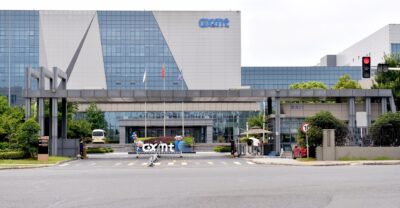
Changxin Technology Group, or CXMT for short, soared 466% in its debut yesterday on Shanghai’s STAR Market.
One big question remains: Can the company break free from the memory sector’s historically cyclical nature?
Apple shares climbed nearly 1% on the news, bringing it closer to reclaiming the throne as the biggest US company by market cap.
Skeptics who point to the memory industry’s boom-and-bust history see bulls as being a little too high on their own chip supply.
Samsung, Dell, Nintendo, Sony and Microsoft have all recently announced price hikes to their consumer electronics.
Apple’s supply chain and manufacturing dependencies have turned problematic in the age of tariffs and friend-shoring.
Samsung’s foundry revenue recently fell 3.9% to $12.6 billion, and its market share dipped 2.2 percentage points to 7.2%.
Qualcomm predicted lower sales this quarter than Wall Street expected, thanks to a widespread chip shortage.
The progress has earned Intel praise from one particularly important member of the audience: President Trump.
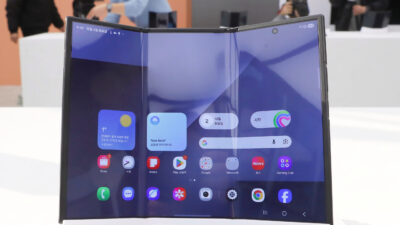
Shoppers in the US will be able to buy the new foldable during the first quarter of 2026, though the pricing hasn’t been shared yet.
Samsung’s growth come directly at the expense of Apple, which now holds less than half of US market share.
For Samsung, it’s a chance to finally carve out some foundry industry market share from rival chipmaker TSMC.
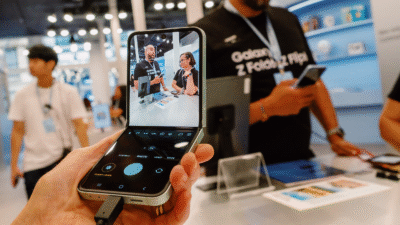
Samsung’s new phones hit shelves later this month, days after Chinese rival Honor launched its new folding phone.
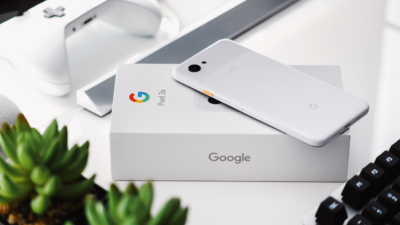
At long last, the global smartphone market is on the rebound — and this time, Google may be able to enjoy the ride.
Epic Games filed a lawsuit against Google and Samsung, pulling the South Korean electronics giant into its long-running beef with Google.