Foldable Phones Are Back, and They’re Bringing Bad News to Your Billfold
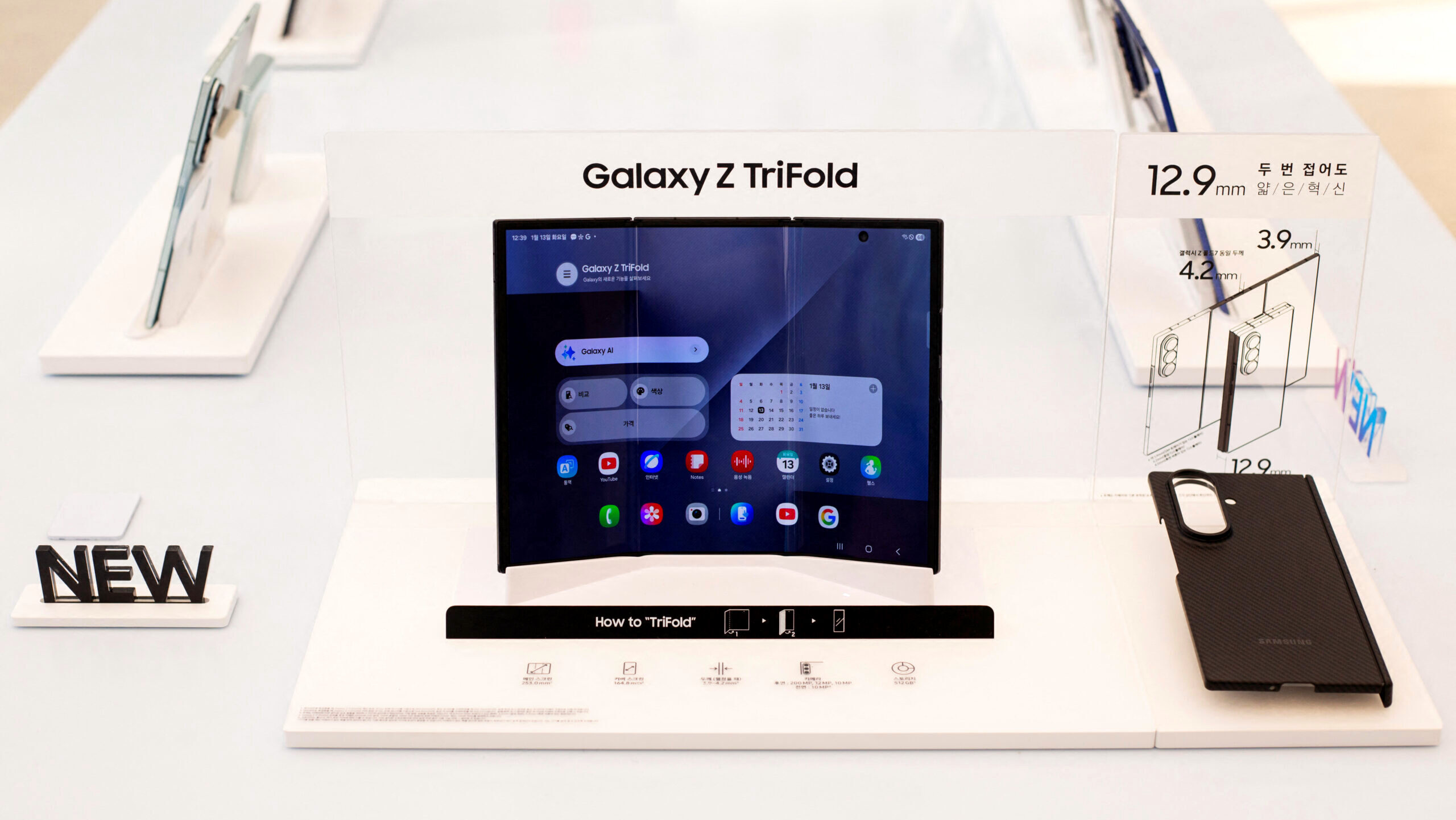
Samsung and Huawei dominate market share for foldable phones, but their reach in general is significantly smaller in the US.
Sign up for smart news, insights, and analysis on the biggest financial stories of the day.

Anyone who rocked a hot pink Motorola Razr in the 2000s knows folding phones are nothing new. If you didn’t live through the era of flip-phone flexing, however, it’s no wonder if you see their buzzy comeback as more debut than resurgence.
Not only are they dominating headlines and marketing campaigns, but they also look different: This time around, they’re all screen and no button.
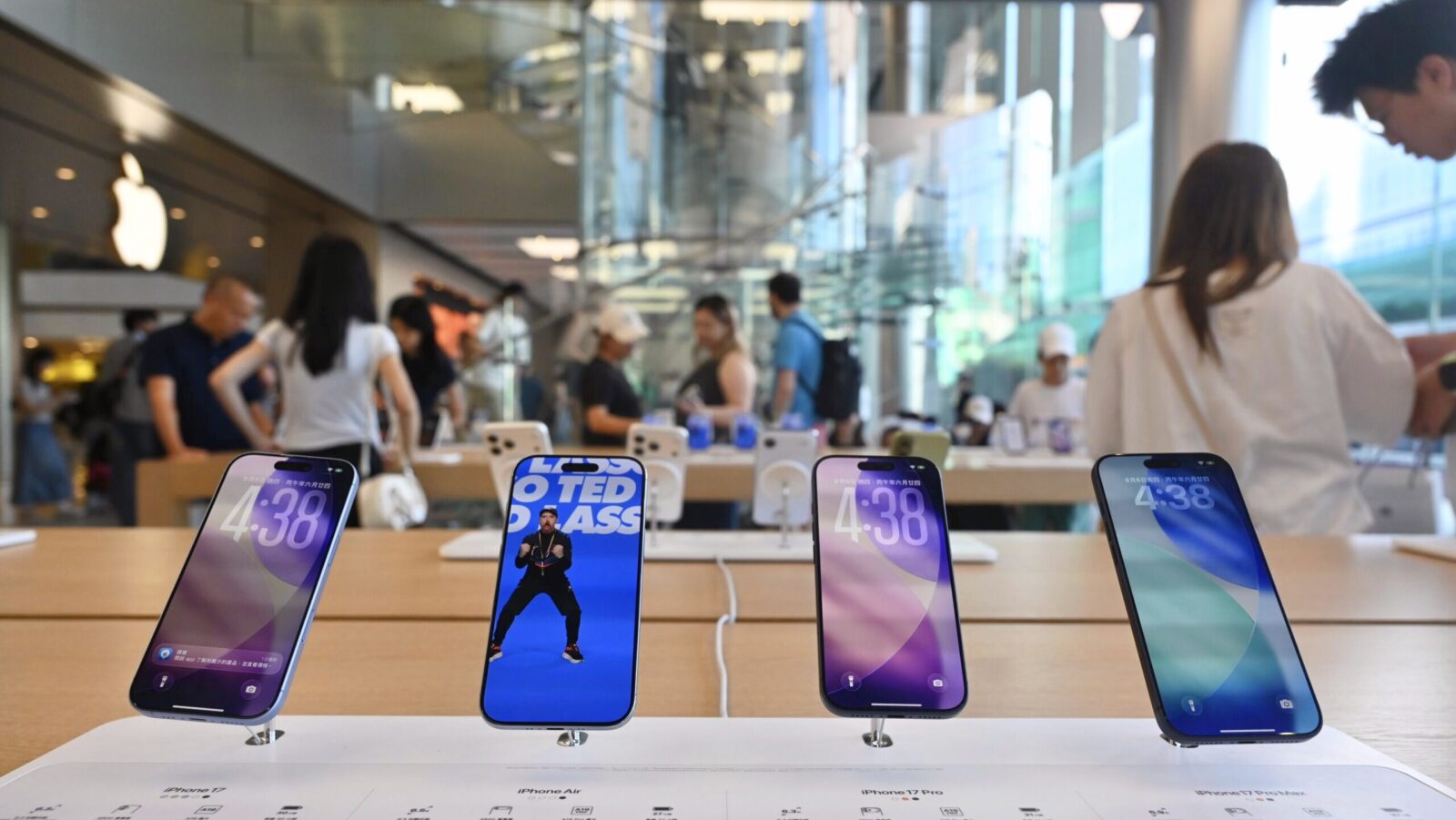
The latest arrival on the foldable scene is Apple, which is finally putting a crease in its iconic iPhone for customers who want a bigger screen but are too ashamed to bring their iPad everywhere. Bloomberg’s Mark Gurman reported that the tech giant will debut the long-rumored item at its September 9 “Surprise and Shine” event, headlined by new CEO John Ternus, and other outlets have jumped in to say the same.
Expected to cost more than $2,000 compared with the standard iPhone 17’s $800 price tag, the iPhone Ultra will land amid a flurry of foldable debuts from rivals.
Already Crowded Arena
Samsung has proven there’s a market for foldable phones that cost a significant premium to their flat peers. South Korea’s largest company launched the first folding version of its Galaxy phone in 2019 and the eighth generation this July. The Galaxy Z Fold 8, priced upward of $1,900 (Ultra models cost as much as $2,700), is so popular that Samsung has started running into a supply crunch as it rush-orders parts to meet high demand, according to ZDNet Korea.
Across the Yellow Sea, Samsung’s rivals have seen success with folding models of their own:
- Huawei also first sold foldables in 2019 with a model called the Mate X. The phone’s latest follow-up went live in China yesterday, two days before Apple’s big event.
- Beijing-based Xiaomi also launched a foldable phone yesterday. The design is similar to the Samsung Z Fold8 and early, purported leaks of Apple’s forthcoming foldable iPhone.
Better Late: Smartphone sales in general have struggled, but foldables seem to be a small, but bright, spot of growth. Samsung and Huawei dominate market share for foldable phones, but their reach in general is significantly smaller in the US. Apple, meanwhile, has proven in the past, both with iPhones and AirPods, that it doesn’t need to be first-to-market to win the long game.
Recent News
-

Photo illustration by Connor Lin / The Daily Upside, Photo via Chelsea Blair/Sipa USA/Newscom -
Photo via Simon Shin / SOPA Images/Sipa USA/Newscom





-
Photo illustration by Connor Lin / The Daily Upside, Photo by Roberto Bucci via iStock