SEC Greenlights Tokenized Stocks After Clarity Act Fails in Senate
That’s good news for Robinhood, which offers tokenized stocks overseas and whose own stocks climbed 5% on Thursday.
Sign up for smart news, insights, and analysis on the biggest financial stories of the day.

The SEC isn’t waiting for clarity with a capital C to give tokenized stocks the go-ahead.
On Thursday, Wall Street’s watchdog issued a five-year order allowing trading venues to offer digital representations of company shares. The move ushers in a 24/7 type of trading that proponents say reduces counterparty risk through faster settlement. It also comes just days after the Senate blocked the Clarity Act, which would have provided a regulatory framework for cryptocurrency. The new rule is “designed to resolve challenges that have prevented responsible innovation from taking root in the United States while providing investor protections and market integrity standards,” SEC Chairman Paul Atkins said.
The “Innovation Exemption,” which has been in the works for more than a year, shows the SEC is willing to set rules that could push crypto-related offerings forward without lawmakers’ buy-in at a time when investors are hungry for digital assets and trading firms are eager to meet their demand. That’s good news for Robinhood and Coinbase, which both offer tokenized stocks overseas and whose own stocks climbed 5% and 6% respectively on Thursday.
AMC v. Robinhood
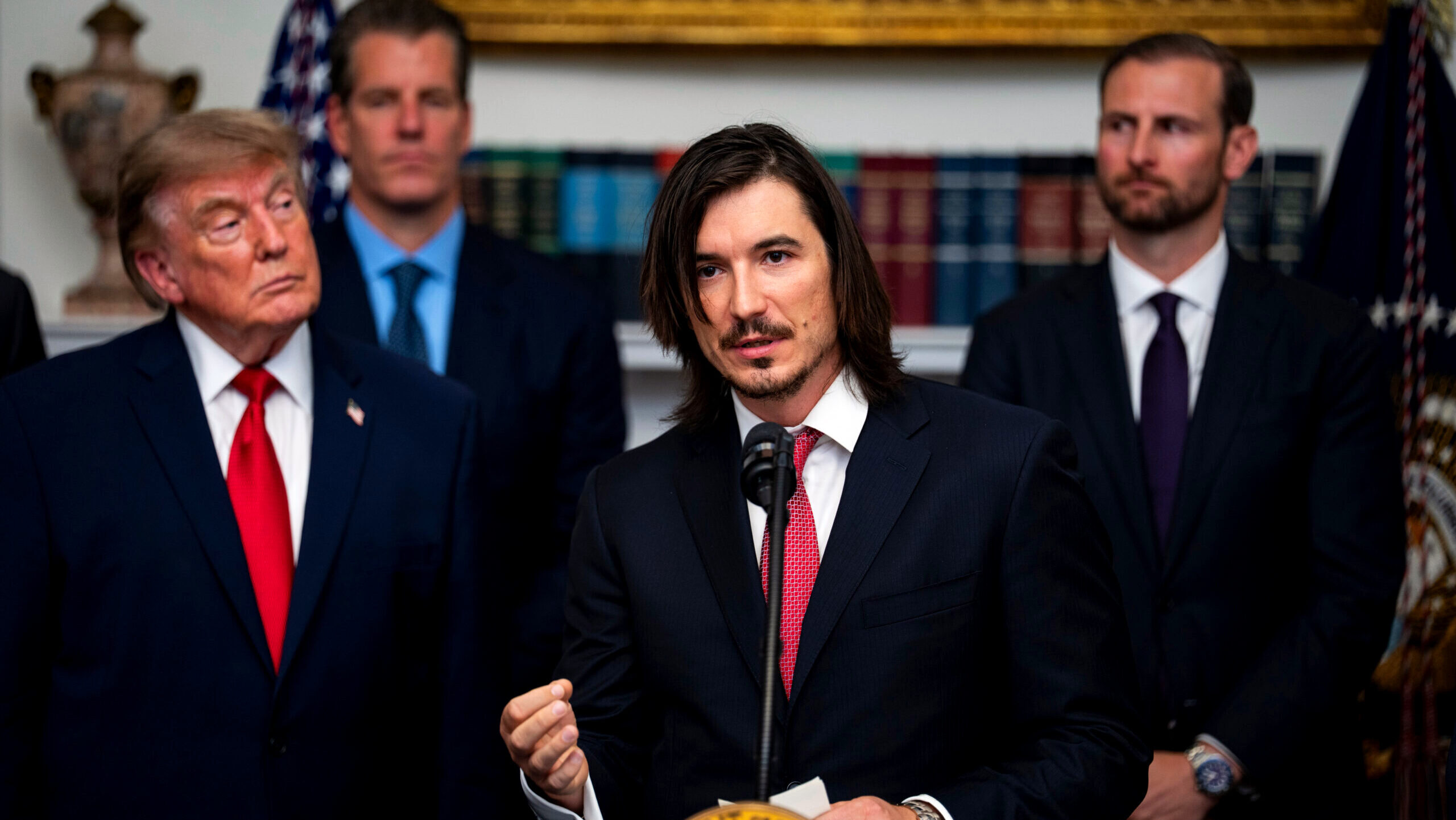
The SEC move also answers a big question that has had Robinhood CEO Vlad Tenev feuding with theater-chain AMC’s CEO Adam Aron in recent weeks: Do companies get a say over the tokenization of their stocks?
The chief executive showdown on X started when Aron called Robinhood allowing the trading of a token linked to AMC that the movie theater chain hadn’t OK’d “contemptible” and “vile,” among other things. “Your setting up some kind of fictitious synthetic equity market decouples stock token ownership from a company’s ability to control its own capital-raising efforts,” he added. (Tenev fired back and posted a long take on issuer consent.)
The SEC’s exemption doesn’t apply to synthetic tokens issued by third parties, which mimic share prices but don’t actually give you any ownership and are popular outside the US:
- Instead, it says tokenized stocks have to offer holders the same rights and privileges as traditional securities, including dividends and voting rights.
- The trading venues also have to provide issuers of the underlying stocks a 30-day heads-up that they plan to issue a tokenized version as well as the ability to object and block the move.
Exchanges Want In: It’s not just crypto-trading firms that want the green light for tokenized stocks. The New York Stock Exchange and Nasdaq are prepping their platforms for round-the-clock trading, and the SEC already approved Nasdaq’s plan to allow some tokenized stocks and exchange-traded funds back in March.
Recent News







-

Photo illustration by Connor Lin / The Daily Upside, Photos by Filistimlyanin via iStock and Freepik