SpaceX Rival Rocket Lab Scores Record Contract in as Space Race Engines Roar
The $266 million Space Force deal covers at least 12 suborbital launches, with the first set for later this year.
Sign up for smart news, insights, and analysis on the biggest financial stories of the day.

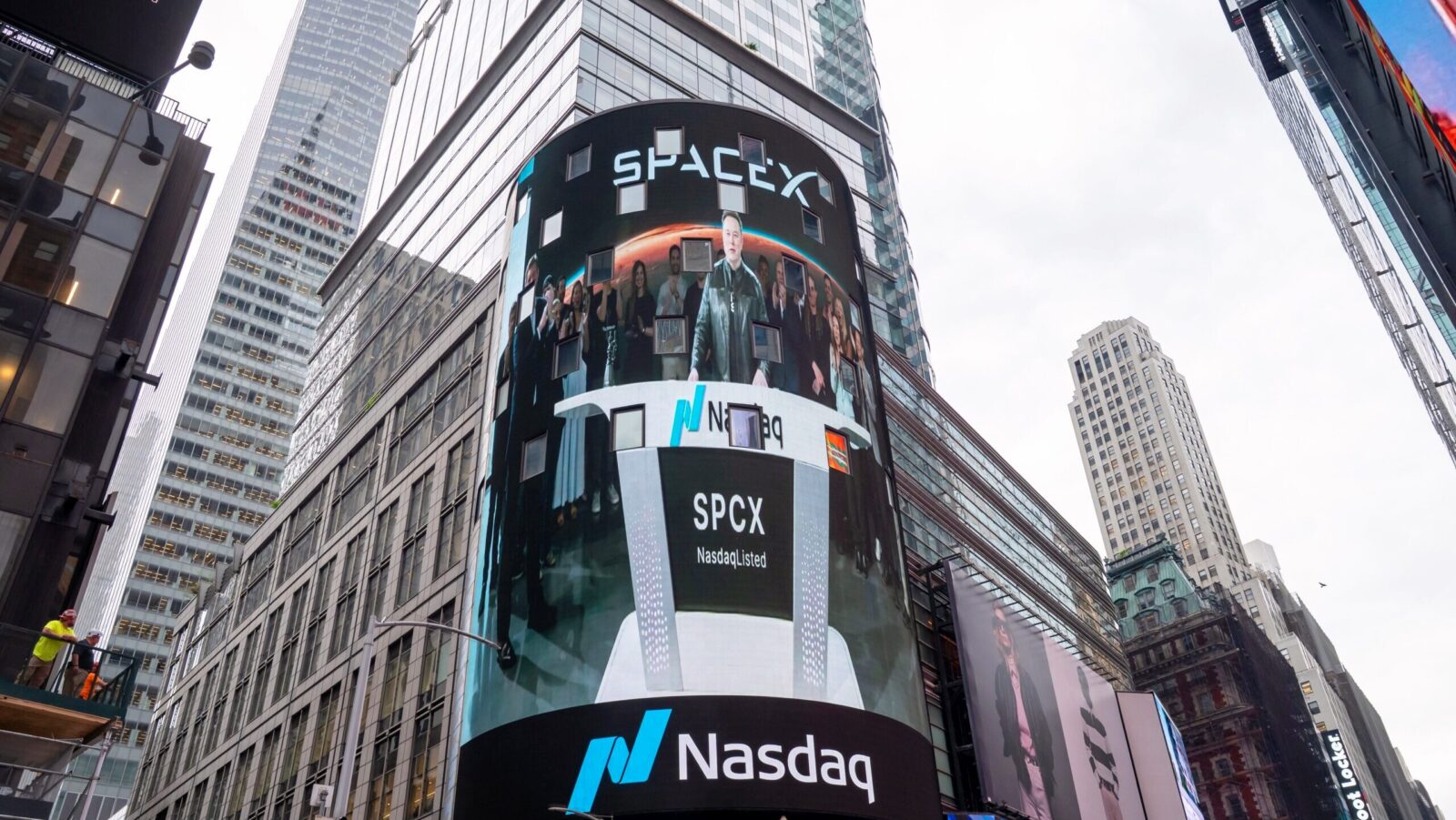
In the wake of SpaceX’s blockbuster IPO, many investors are wishing upon a Starlink. On Monday, however, it was a competitor in the space race that had markets proclaiming “Jumping Jupiter.”
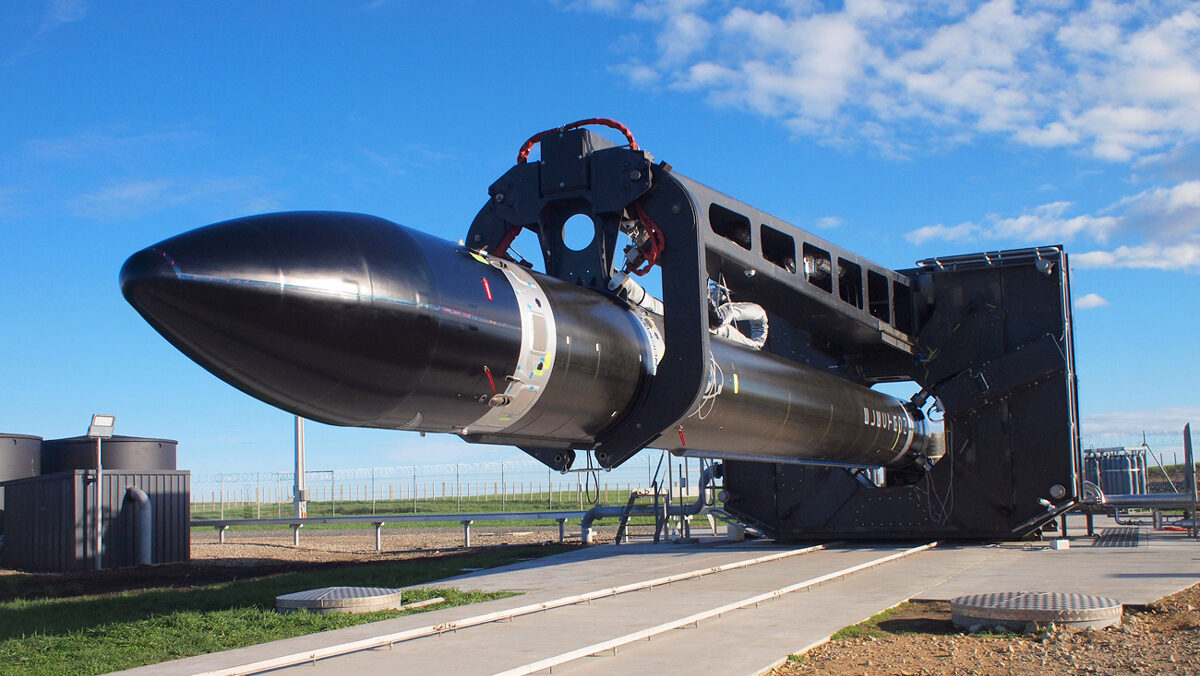
Space company Rocket Lab announced it won the biggest launch contract in its history, a $266 million pact with the US Space Force to provide launch services and spacecraft for missile defense missions. Shares rose 4.7%, while SpaceX fell 1.3%.
The Gravity of the Situation
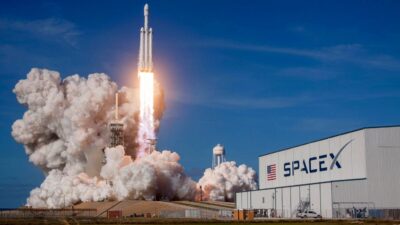
An orbital launch services provider that designs, builds and operates its own space systems, Rocket Lab is seen by many as the closest direct competitor to SpaceX’s rockets and launch business. It’s also in the process of acquiring mobile satellite firm Iridium Communications, which could transform it into a direct competitor of SpaceX’s Starlink internet service.
For this reason, Rocket Lab’s stock is heavily influenced by the gravitational pull of its much, much larger competitor (its $40 billion market capitalization a Titan to SpaceX’s $1.5 trillion Saturn). In advance of SpaceX’s June IPO, investor excitement around the space sector lifted Rocket Lab shares to a $150 peak on May 27. They have since fallen more than 55%, dragged down by the volatility that’s followed SpaceX’s instant megacap debut. Score one for Isaac Newton and the law of gravity.
Shareholders will hope that Monday’s announcement marks the start of a spin on Newton’s third law of motion, ensuring that, for every dip, there is an equal and opposite rally, one that could propel Rocket Lab away from SpaceX’s gravitational field:
- The $266 million Space Force deal covers at least 12 suborbital launches, with the first set for later this year, and leaves the door open to a half dozen more. Crucially, it firmly entrenches the company’s place in the lucrative government contracting space: its $2.2 billion order backlog as of the end of the first quarter had already doubled year-over-year, mostly thanks to public sector deals.
- “The size and scale of this contract reflects the Space Force’s confidence in our ability to meet their urgent national security demands with speed, responsiveness, and scale, and we’re proud to provide the high-frequency launch capacity required to keep the U.S. ahead of global threats,” CEO Peter Beck said in a statement.
In the three months ending in March, Rocket Lab reached $200 million in quarterly revenue for the first time, representing a 64% year-over-year increase. Its $45 million loss was an improvement from the $60 million loss a year earlier.
Stock Symbolism: Rocket Lab said most of the launches under the new Space Force contract will take place at the Pacific Spaceport Complex, a state-owned site on Alaska’s Kodiak Island, which is famous for its humongous brown bears. Shareholders, on the other hand, will no doubt bank on the local Bison bulls as the totem for their investment.