Trump Admin Teams with Startup on ‘Noah’s Ark’ of Endangered Species DNA
The genetic material will be housed in a global network of so-called BioVaults that Colossal is developing.
Sign up for smart news, insights, and analysis on the biggest financial stories of the day.
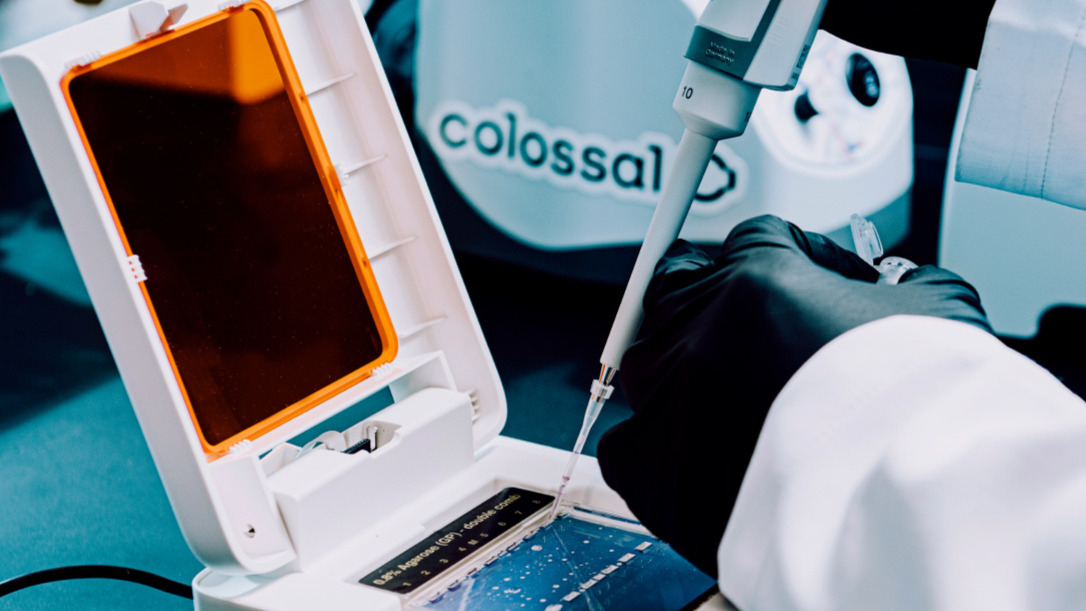
They don’t call it the Bible Belt for nothing: A Texas-based startup is working with the federal government to create a “modern-day Noah’s Ark” containing the genetic material of roughly 2,300 endangered plant and animal species.
The project, essentially a cryo-preserved “genetic backup” of flora and fauna protected under the Endangered Species Act, will be developed by the US Fish and Wildlife Service and the self-described “de-extinction” company Colossal Biosciences.
From Mammoths to Tom Brady
Dallas-based Colossal has received reams of media attention (guilty as charged) for its attempts to bring back extinct animals like the woolly mammoth. Last year, it said it engineered mice to have “mammoth-like traits” (namely, the thick hair) and claimed it resurrected the long-extinct dire wolf by breeding three pups, which many scientists disputed by noting they’re technically genetically modified grey wolf hybrids. The company also cloned the late pet dog of NFL great Tom Brady, a Colossal investor.
Preserving genetic material isn’t new in the conservation world, and it has clear practical uses. In 2024, for example, scientists successfully cloned two black-footed ferrets from tissue samples from San Diego’s Frozen Zoo as part of an ongoing effort to boost the genetic diversity of the endangered species. As part of the Colossal partnership, the federal government will own the samples, and the genetic data will be made freely available to conservationists and researchers, according to a statement. The government isn’t paying Colossal either; it’s just providing the service’s cooperation and sharing its expertise in collecting samples.
None of this, of course, answers the question of how Colossal plans to make money. There is an answer for that, and it’s more to do with the journey than the destination:
- The genetic material will be housed in a global network of so-called BioVaults that Colossal is developing. The first is slated for Dubai after the United Arab Emirates invested $60 million in the company earlier this year, following a $200 million fundraising round last year that valued Colossal at $10 billion.
- But the real moneymaking opportunity, according to Colossal CEO Ben Lamm, is in spinning out and licensing technologies developed in the course of its genetic research and development. “It’s very much like the Apollo program: When you go to the moon, you develop all these tools and technologies,” he said during a podcast last year, referencing the NASA program that led to innovations in water filtration, freeze-dried food, cardiovascular equipment, firefighting materials and kidney dialysis machines.
Three’s Company: Colossal has already spun off three companies: predictive biology startup Astromech, which was valued at $2 billion earlier this year; computational biology platform Form Bio; and Breaking, a company using microorganisms to break down plastic waste.
Recent News
-
The Gig’s Up: Robotaxis, Delivery Drones Reshape the Side-Hustle Market

Photo illustration by Connor Lin / The Daily Upside, Photo by Chanakon Laorob via iStock