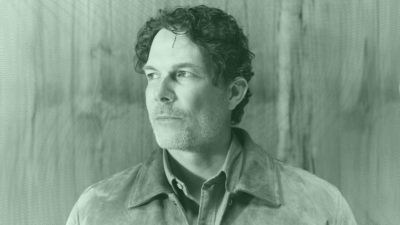
What’s Next? AssetMark CEO Says AI Used Mostly for ‘Low-Hanging Fruit’
Advisor Upside caught up with Maiuri to discuss how AI is changing the wealth management industry beyond the tech’s latest point solutions.
Sign up for market insights, wealth management practice essentials and industry updates.

Artificial intelligence has wedged itself firmly into the co-pilot seat for many advisors using the rapidly advancing technology. But is that enough in a wealth management industry that’s increasingly focused on financial planning and approaching a tsunami of retirements?
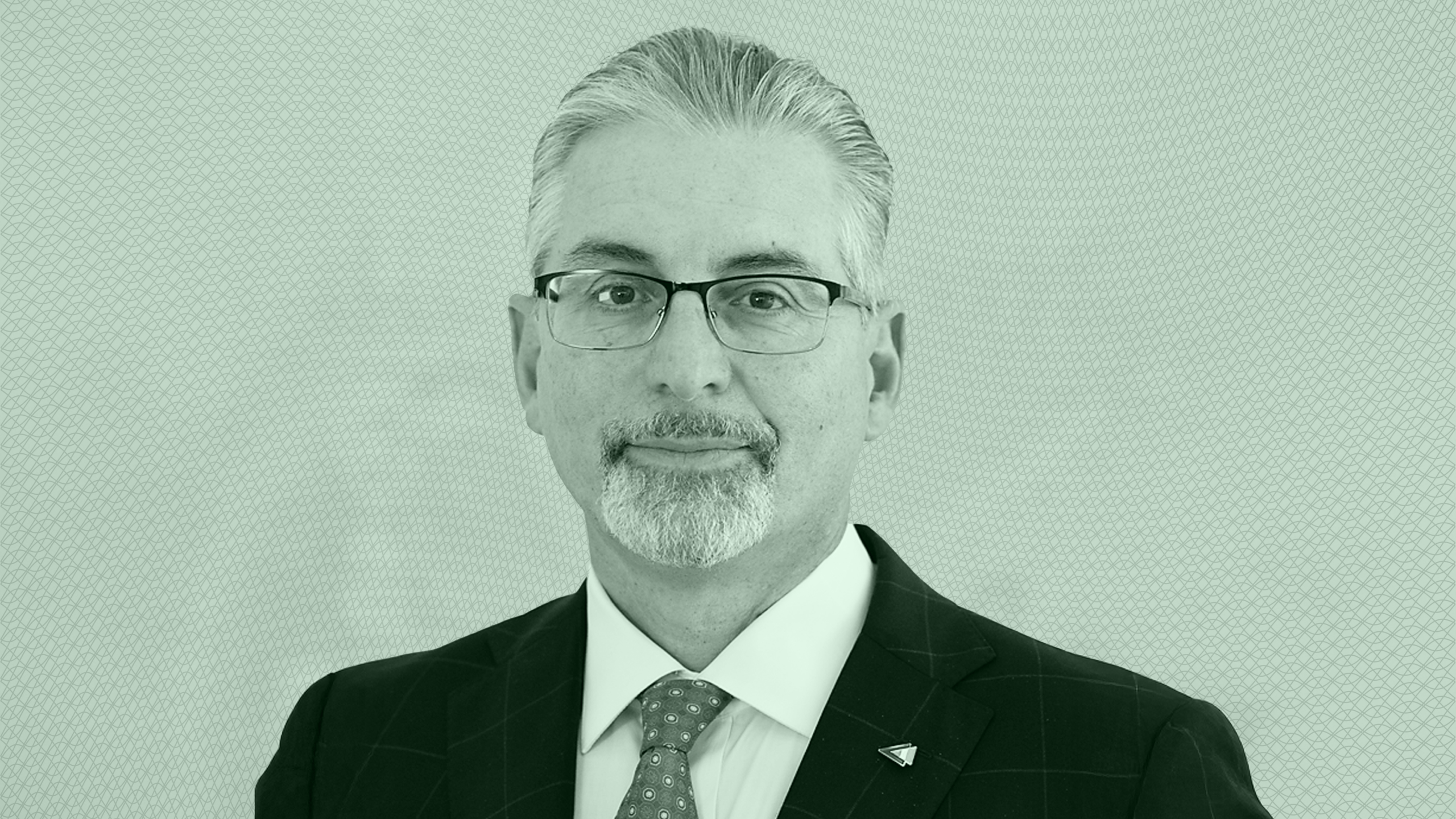
“A lot of advisors are using AI, but it’s for administrative tasks like transcribing meetings, grabbing notes, working on client emails and presentations,” said Lou Maiuri, CEO of wealthtech and TAMP firm AssetMark. “They’re good use cases, but they’re low-hanging fruit.”
A recent survey from AssetMark found that a third of firms have growth targets over the next year that are significantly higher than their historical trendlines. At the same time, 40% of firms cite managing technology as their biggest challenge. Maiuri said the next phase of AI integration will involve advisors using the tools to handle tasks such as proposal generation, data security, financial planning and tax optimization. In the second quarter, AssetMark plans to launch its Talk Tracks tool, an AI program that can quickly analyze portfolios and financial plans to see how they’re being impacted by current market conditions and create talking points for advisors during client meetings.
“Advisors are building complicated and customized portfolios, which is great for clients, but complex for advisors,” he told Advisor Upside. “If a client calls them up tomorrow, given the market volatility, and asks, ‘Hey, how’s my portfolio doing?’ that’s 30 minutes of prep time per client.” Advisor Upside caught up with Maiuri to discuss how AI is changing the wealth management industry beyond the tech’s latest iteration on the dictaphone.
AU: Financial planning is increasingly central to the advisor value proposition. How does AI fit into that?
LM: The human element to all of this still matters. You can tell an AI agent to produce a plan, but you have to talk to clients. ‘How do you think about your grandkids? How do you think about philanthropy? How do you think about your kids who are getting married and protecting assets?’ AI can certainly help there, but the human edge is still required.
The next set of things in productivity are what I call client nudges. If you have a lot of clients and families, you think about the to-do list everyday. ‘Hey, you haven’t talked to Jen in about two weeks.’ Or if a portfolio has achieved something, and it’s time to take something off the table, you can build all those nudges. You can get a sense of how we can make those tasks more productive by having AI in the workflow, reminding advisors of what they may not see in the portfolio.
Your survey found that hiring staff is also a top pain point for advisors. Why is that?
There’s a couple of things going on. Roughly 100,000 advisors will retire in the next five to seven years, and there are more advisors over the age of 70 than under 30, so we just don’t have enough people coming in as CFPs or junior advisors to help grow. We do some things at universities to bring younger students into the industry, but we can’t solve the problem at AssetMark. But if we can provide those hours back, so advisors can take on more with what they have, that’s a way we can deal with personalization at scale.
The business has also gotten far more complicated. You’re dealing with complicated portfolios, public and private assets, tax optimization, estate planning, life events. When you add all that up, there’s just a lot that advisors have to understand, and there’s just not enough people filling in.
If you’ve looked at what happened with health care, you could argue the ‘care’ is out of healthcare. Doctors in our country — I don’t want to make a big statement — have to see so many patients so quickly, in order to make the economics work. So there’s not a lot of personalized care. We run the risk that that could happen in our industry if we don’t find a way to give back that capability for advisors to deal with that care side. They should be focusing on the life events. I say to our advisors, ‘Focus on your clients’ life plan, and build them a wealth plan to go with it.’ That’s the value advisors bring to clients, and we’re going to bring them the tools to do that.
If the industry doesn’t deliver personalization at scale and firms want to grow, then guess what? Advisors aren’t going to spend an hour with you and me. They’re going to spend 30 minutes, and then it’ll be down to 20 minutes and then 15.
What’s something more people should be talking about?
With things like portfolio construction, maybe trading, there are aspects in the workflows that are rules-based: If this happens, then this happens. You can see AI tools handling more of that down the road. If you have the clients over here, and custody and clearing over there, there’s a lot that happens in the middle ground, and the further you get away from the client, the more you can automate.
The worry is ‘What does this mean for jobs in the industry?’ and that’s the scary side of all this. We could sit back and say there’s been technology shifts since sailing ships went across the Atlantic, and steamships started to disrupt that business. We can find all these analogues, but this is different. This isn’t in a segment; this is broad. This isn’t the shipping industry, or the automobile business or the medical field. It covers the waterfront of everything.
What I’ve said to our teams and advisors is that you need to be in it and experimenting, so you can find how to build an edge and a differentiation for your business. If you’re sitting on the sidelines, then you’re going to be in trouble.
Recent News





-

(Photo by Towfiqu barbhuiya via Unsplash)