Sticky Inflation, Job Loss Prolong Fed’s Interest-Rate Limbo
The CME FedWatch Tool shows the market is pricing in a 60% chance the Federal Reserve holds interest rates steady in September.

Sign up for smart news, insights, and analysis on the biggest financial stories of the day.

No surprises. More time.
That’s what July’s inflation report delivered to the Federal Reserve on Wednesday. The Bureau of Labor Statistics’ latest Consumer Price Index update showed the broad gauge of goods and services costs rose 3.4% year-over-year. That was exactly in line with Wall Street’s expectations, and might mean another month of waiting and seeing if the Fed is done with its wait-and-see approach to prices.
Bond Theme
“The big surprise with a report that had no surprises (all of the data came perfectly in line with the estimates) is that a situation where inflation isn’t reaccelerating, coupled with the most recent, weak jobs report gives the Fed more time to wait,” said Chris Zaccarelli, chief investment officer at Northlight Asset Management. While Fed officials will remain worried that inflation is above the central bank’s 2% target, the July employment report showing the US unexpectedly lost 23,000 jobs means there’s fuel for monetary policy doves, too. For that reason, interest rates are more likely to hold steady when the Fed meets next month.
Investors are already counting on it. The CME FedWatch Tool shows the market is pricing in a 60% chance the Fed holds rates steady in September. Just two weeks ago, the odds of a rate hike were 54%. “Typically, the market would be buoyed by the thought of rate cuts, but in a world where many are expecting rate hikes, anything that can delay, or squash the need for, rate hikes will be viewed positively,” Zaccarelli added. Another future policy indicator was less certain:
- The 2-year Treasury yield, the closest thing to a bond market gauge of Fed policy, was unmoved Wednesday at 4.201%. While slowing inflation is generally positive for bonds (typically sending yields down), markets may be more keen to wait and see where the Fed’s current holding pattern leads.
- Analysts at Charles Schwab said Wednesday that, given the likelihood of persistent inflation coupled with the US economy’s resilience, they think the long-term risk of rate hikes, and thus higher bond yields, is the safer bet: “We believe there’s more upside risk than downside risk with the 10-year Treasury yield.”
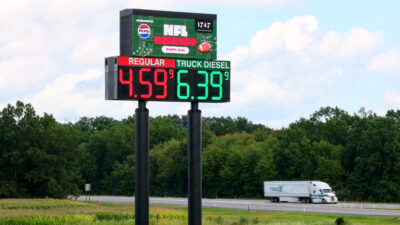
In Conflict: The biggest variable and most volatile driver of near-term inflation, of course, is the Iran War. Wednesday’s report showed energy prices fell 1.5% in July, after falling 5.7% in June, with both months coinciding with possible deescalation. Crude oil prices are now closing in on $90 a barrel after falling to nearly $70 last month and, while negotiators say they are close to a deal, we’ve been here a few times before. “Investors had high hopes that the Middle East crisis would improve,” said LPL Financial Chief Economist Jeffrey Roach. “Unfortunately, those high hopes were short-lived.”
Recent News

-

Photo illustration by Connor Lin / The Daily Upside


-
Post-Pandemic, ‘Living at the Office’ Takes on New (and Lucrative) Meaning

Photo illustration by Connor Lin / The Daily Upside