Citadel’s Flagship Fund Delivers Standout Gains After Buying Situational’s Distressed Book
Snapping up most of Situational Awareness’s public equities portfolio proved a near-immediate coup for Citadel, whose flagship fund rose 5.9%.
Sign up for smart news, insights, and analysis on the biggest financial stories of the day.

What’s a bigger myth: The Odyssey or a hedge fund that gets every call right? In the case of Leopold Aschenbrenner’s AI-focused Situational Awareness, overleveraging on the biggest trade of the past two years proved there are plenty of funds that guess wrong.
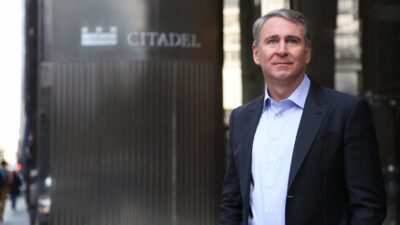
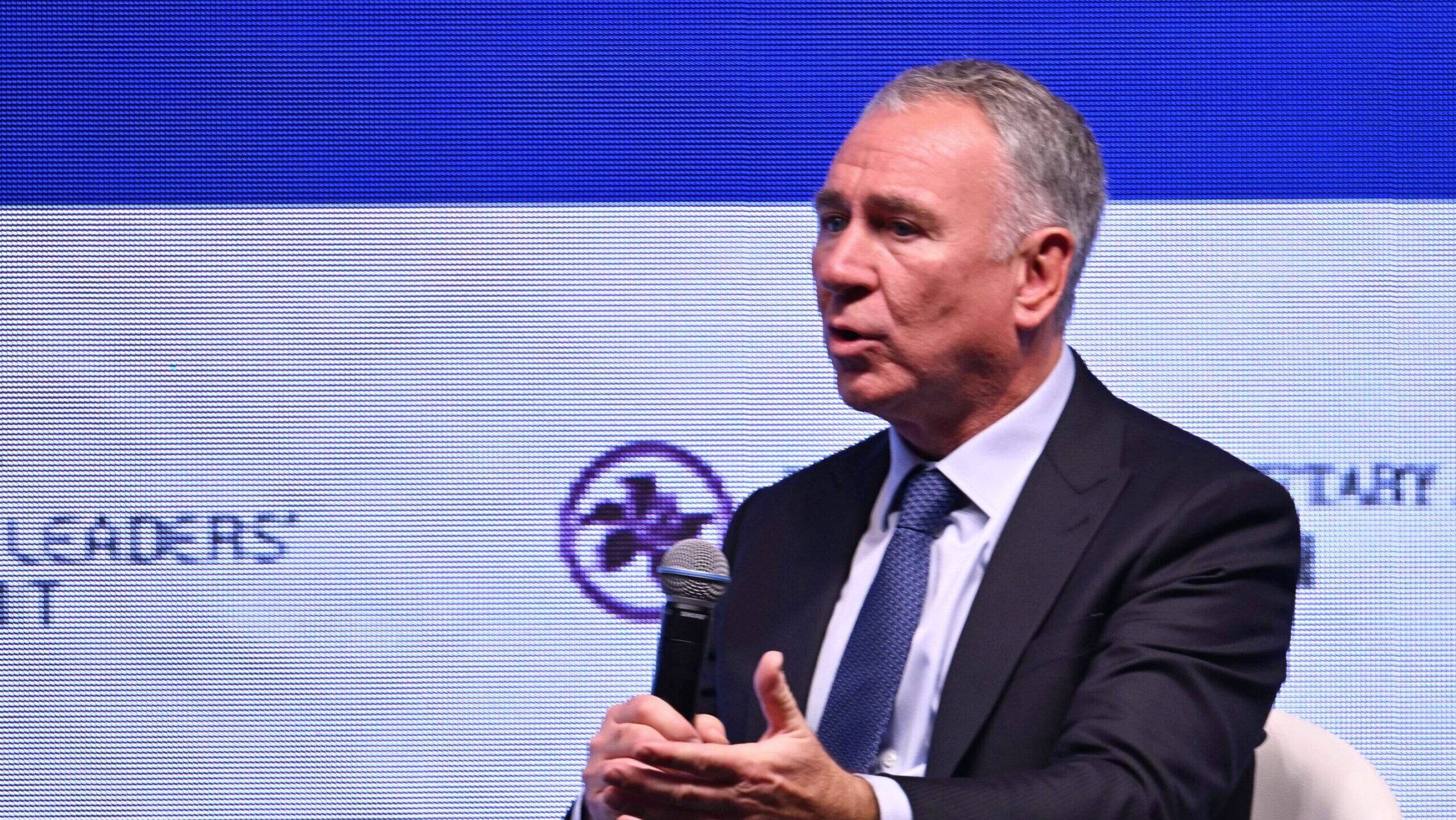
The firm was pushed to the edge of implosion last month before offloading most of its public equities portfolio to Ken Griffin’s $71 billion Citadel. Griffin’s firm came out on the right side of things, instantly converting the deal into one of its best months in years. Broader markets have, so far, benefited also.
Rally Around Relief
By late July, highly leveraged Situational, which at one point was up 400% this year, was feeling the sting of a sharp, monthlong selloff in AI-adjacent equities. South Korean memory chip manufacturer SK Hynix and cloud computing firm CoreWeave, two key holds, traded 50% below their peak at points. The tech-weighted Nasdaq-100, home to other important holdings, officially slipped into correction territory. Then, on July 29, Citadel approached Situational about offloading its distressed equities. In less than 24 hours, Griffin’s firm acquired the lion’s share of Situational’s $16 billion holdings in public companies at a 10% discount.
The deal proved a near-immediate coup for Citadel, according to multiple reports. Its flagship Wellington Fund was roughly flat in July before the deal but closed the month up 5.9%. That made for the best month since 2022, and Wellington is now up 12% in 2026. On top of that, Citadel’s tactical trading fund gained roughly 11% in July and its equities fund roughly 14%, a record advance for both.
Griffin’s gain may have provided just what the market needed in a moment of wavering confidence. Situational’s exposure during the AI stock rout was exacerbated by a perfect storm of heavy borrowing and short bets on traditional software equities, turning the fund into a forced seller. Citadel’s intervention put a stop to the $24 billion fund’s unraveling, substituting a more stable investor in no hurry to dump assets:
- In the past week, Citadel’s acquisition has helped to power a significant relief rally. Several stocks that formerly made up Situational’s core positions have proven incredibly resilient in the last five trading sessions: CoreWeave is up 47%, SK Hynix 19% and SanDisk 33%.
- The hyperscalers financing the AI buildout have also helped soothe market jitters about the trade. Amazon, Alphabet, Meta and Microsoft have reaffirmed their plans for massive AI-related capital expenditures in 2026 and beyond, much to the benefit of AI-adjacent companies.
Out of Ruins, an Empire: Griffin’s fund raided Enron for its top talent after the energy company collapsed in 2001 and bought the books of failed competitors Amaranth Advisors and Sowood Capital later in the decade. One could say, when it comes to Citadel, that the firm has mastered the alchemy of pulling the proverbial phoenix from the ashes.
Recent News
-
Major League Soccer Snatches Victory From World Cup Despite US Team’s Loss

Photo illustration by Connor Lin / The Daily Upside, Photos by Shaina Benhiyoun, Weston Hancock, Erica Denhoff, IMAGO/JOERAN STEINSIEK, and Kenya Sumiyoshi via Newscom