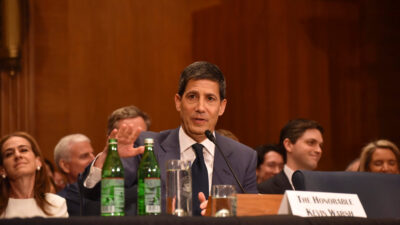
During his confirmation hearing last week, Warsh hinted at an out-with-the-old-in-with-the-new approach to monetary policy.
Our daily email brings you smart and engaging news and analysis on the biggest stories in business and finance. For free.
Anthropic revealed Mythos earlier this month, an AI model with advanced cybersecurity abilities that’s taking the tech world by storm.
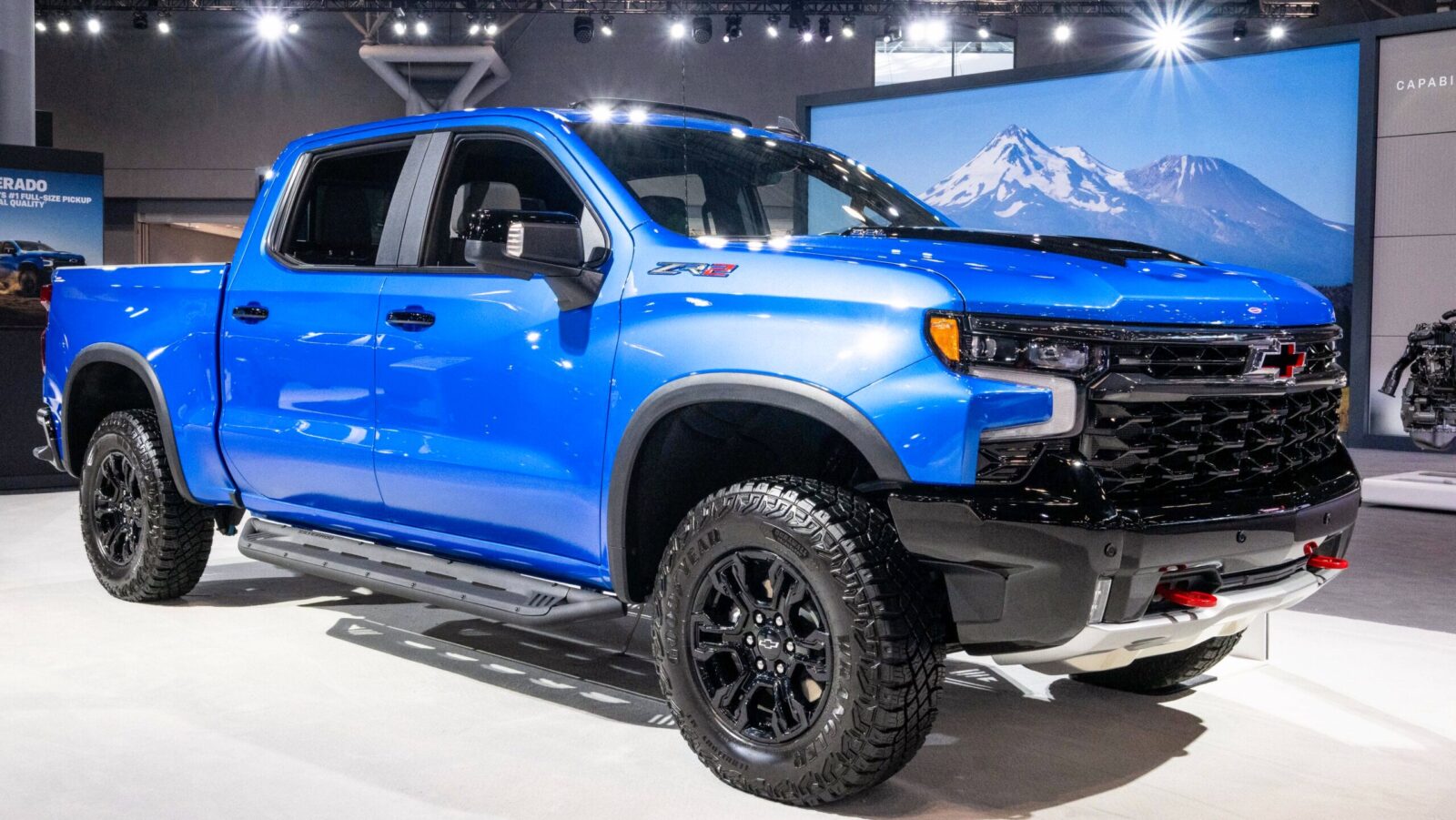
High interest rates and prices (an average of $49,275 for new cars in March, per Kelley Blue Book data) have kept buyers from the car market.
The oil price shock caused by the Iran war has turbocharged BP shares, pushing them up roughly 33% so far this year.
Industry groups and asset managers are in favor, but advisors are weary, saying the expanded access can quickly spell trouble for clients.
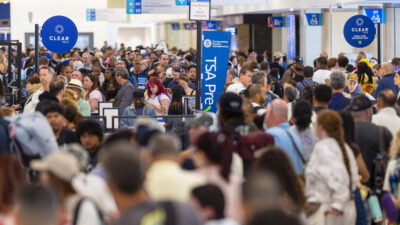
Clear has gained a cult following of travelers who like to show up for flights five minutes before boarding.
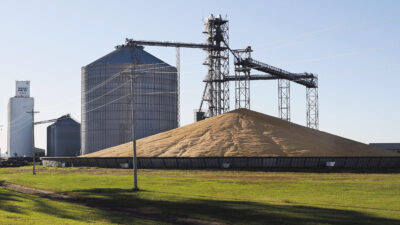
Midwest farmers told the Des Moines Register that they’re already being quoted fertilizer prices that are up 40% from the fall.
The US-Israel conflict with Iran has triggered the biggest oil supply disruption ever, topping the 1956 Suez crisis.
If the accounts come to fruition, they could achieve a longtime goal of industry advocates and policymakers on both sides of the aisle.
The implications of tariffs may be felt in financial plans for years to come.
Anthropic is insisting that its AI shouldn’t be used for surveillance or the development of automated weapons.
Up to $175 billion of illegally collected tariffs could now be eligible for rebates, economists at Penn Wharton estimate.
Thanks to a sweeping bill enacted by Congress last year, many American taxpayers may owe less to the IRS this April than we feared.
The US Supreme Court struck down tariffs imposed by President Trump on an array of trading partners, upending a signature White House policy.
For mid-sized firms largely lack the ability to dictate trade terms or shuffle their supply chains, making tarriffs a major pain.
According to Kelly Blue Book figures, US electric vehicle sales fell 36% to 234,171 units in the fourth quarter of 2025.