Blue Origin’s First Quest for Outside Capital Gives Rival SpaceX a Boost
Blue Origin is taking outside funding for the first time in its quarter-century existents, to the tune of $10 billion
Sign up for smart news, insights, and analysis on the biggest financial stories of the day.

In the billionaire space race, Jeff Bezos is no longer flying solo.
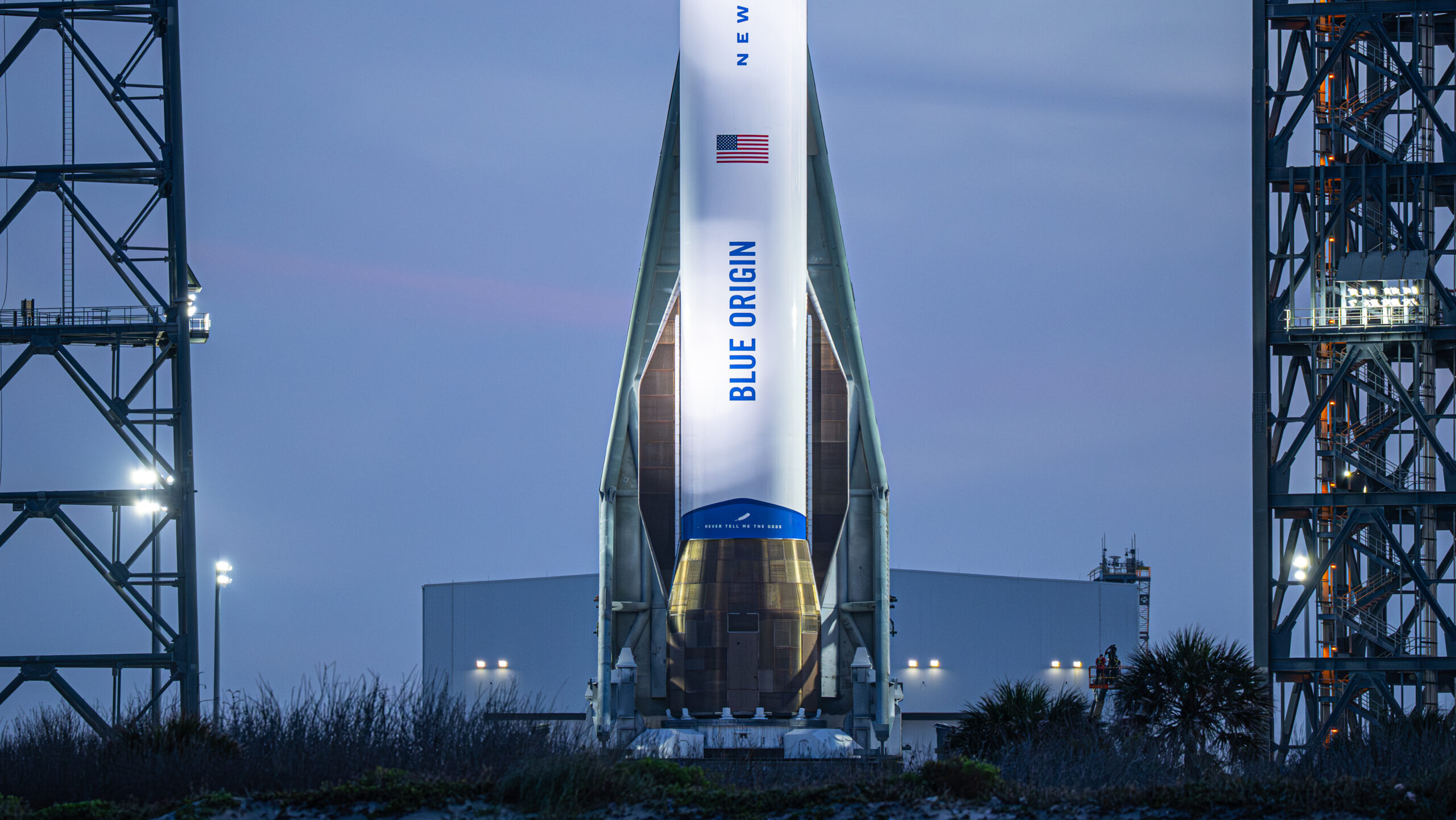
His rocket company Blue Origin is taking outside funding for the first time in its quarter-century life, to the tune of $10 billion, DealBook reported last week. The Amazon founder himself is expected to contribute $2 billion, and asset manager Coatue Management is planning to hand over $4 billion. Another $4 billion is set to come from large institutional investors. The funding round finally gives Blue Origin a valuation: $130 billion.
Enough Space in Space?
Blue Origin’s price tag could make it easier for the company to pursue future financing opportunities since potential investors can compare it with other private companies. It also comes at a time when the commercial space market is heating up, the government keeps tapping both Blue Origin and its main rival SpaceX and AI is demanding more infrastructure, even in space.
The news of Blue Origin’s funding round landed just about a month after SpaceX’s record IPO raised nearly $86 billion. Good news for Bezos’ company may seem like bad news for Elon Musk’s, but that’s not necessarily true. SpaceX has a massive lead over Blue Origin in the space race, evidenced in part by the fact that it launches into orbit far more often and has its Starlink satellite service provider business. Investors will wonder, if Blue Origin is worth $130 billion, what SpaceX is really worth? A lot, it seems:
- William Blair increased its valuation for SpaceX’s rocket launch business to $546 billion from $300 billion, analyst Louie DiPalma wrote in a research note. He added that the business should be “at least triple” that of the combined valuations of Blue Origin, Rocket Lab and Firefly Aerospace, and that it’s “a full decade ahead of peers in terms of development.”
- Cathie Wood’s firm ARK Invest also bought more shares of SpaceX last week. The space company comprised 4.33% of the ARK Innovation ETF as of Friday, making it the sixth-largest holding.
Put to Use: The new funding certainly won’t go to waste. Analysts at consulting firm Capstone expect Blue Origin to spend roughly $4.8 billion this year and estimate it has spent $28 billion since inception, the Financial Times reported.