

Nuclear-fusion startups are getting a lot of funding, but their commercial viability doesn’t seem too imminent.
Intel wants to protect personal data in the Internet-of-Things.
The company’s access to a vast well of user payments data could go a long way in creating far more powerful models.
The company is putting a huge game on its subscription service but may be leaving a staggering amount of revenue on the table.
The critically panned device received backlash for a lot of functionality issues. Hardware packaging largely wasn’t one of them.
It announced a partnership with Magic Leap, which after some rough years might be finding a new lease on life.
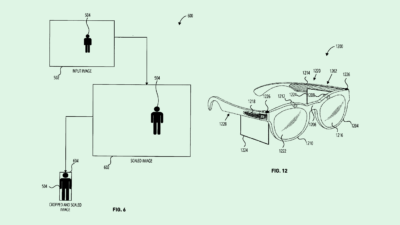
The filing highlights that battery efficiency and form factor remain a major roadblock in artificial reality adoption
Its biggest union announced Wednesday that it will stage a one-day walkout on June 7 with workers using their paid annual leave.
Google wants to give search results more back-and-forth.
PayPal is harnessing purchase data to join the ever-growing list of companies with a new offshoot advertising business.
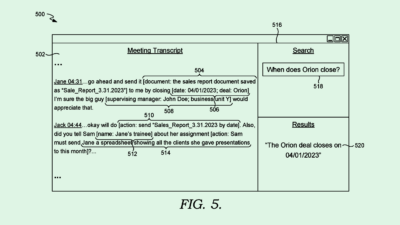
Microsoft’s patent for a language model that talks back signals Big Tech’s interest in multimodal AI.
China’s DIY solution dovetails with what the West has been doing itself with huge government subsidies for manufacturing.
A high-powered chatbot may not deliver the illusive dream of developing artificial intelligence that can teach itself.
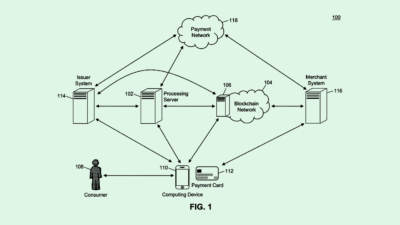
This patent follows another from eBay aiming to play into blockchain’s strength as a security tool.
IBM’s patent aims to use self-driving cars’ idle resources, giving access to them to the riders within them.
As one legal expert put the issue: “The technology is moving faster than the law ever will.”