Does a Hot Jobs Report Guarantee a December Rate Hike?
Experts say that new market realities, driven by a brand new political economy, may stop the Fed’s rate-hiking campaign in its tracks.
Sign up for smart news, insights, and analysis on the biggest financial stories of the day.

All the pieces are now in place for another quarter-point rate hike at the Fed’s December meeting. That doesn’t mean it has to happen.
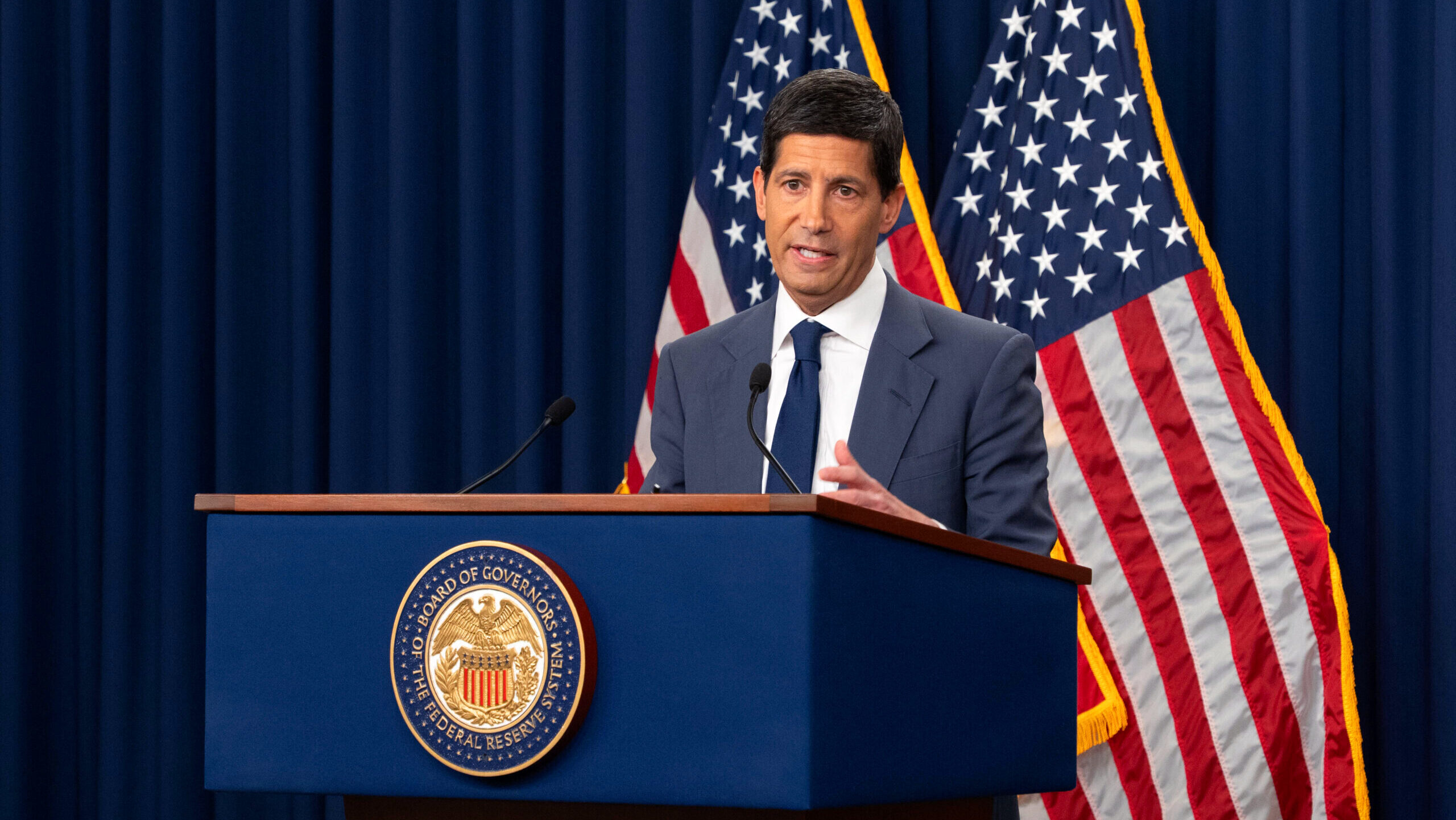
The US Labor Department delivered a better-than-expected jobs report on Friday, showing 165,000 new nonfarm jobs added in October, or way, way, way higher than the 59,000 that most experts had expected. The beat came just a day after the announcement that weekly jobless claims had fallen to a 57-year low, a week after a stronger than expected GDP report and ahead of Tuesday’s CPI report, aka the last major data dump ahead of next month’s FOMC meeting. Traders upped their odds of a quarter-point hike on Friday to nearly 80% from 66% the day prior. But experts say that new market realities, driven by a brand new political economy, may stop the Fed’s rate-hiking campaign in its tracks, if not in December’s meeting than in January. In other words: AI may just do Kevin Warsh’s job for him.
AI-nflation
Inflation-taming rate hikes tend to go down a lot easier when the economy is experiencing the type of strong growth (3.4% in the third quarter) and tight labor market conditions shown in the recent data releases. The calculus gets a little more complicated when the same factor is driving both growth and inflation. We’re talking about the massive AI build-out, of course, because when aren’t we these days?
Opinions on the AI build-out’s contribution to GDP growth are diverse. On the bullish end, EY-Parthenon Chief Economist Gregory Daco said in an X post recently that private sector AI investments have driven half of US GDP growth since the start of last year. On the far more conservative side of the spectrum, Goldman Sachs Chief Economist Jan Hatzius thinks the build-out’s contribution to GDP growth is basically negligible. Then there’s inflation, which seems to be driven by — and may soon be tamed by — AI:
- While AI may be disinflationary in the long term, the strains of the current expansion appear inflationary, driving up the prices of energy, computer hardware and software. The build-out’s inflationary forces were pegged by some Fed governors as a cause for September’s rate hike, minutes from that month’s meeting revealed.
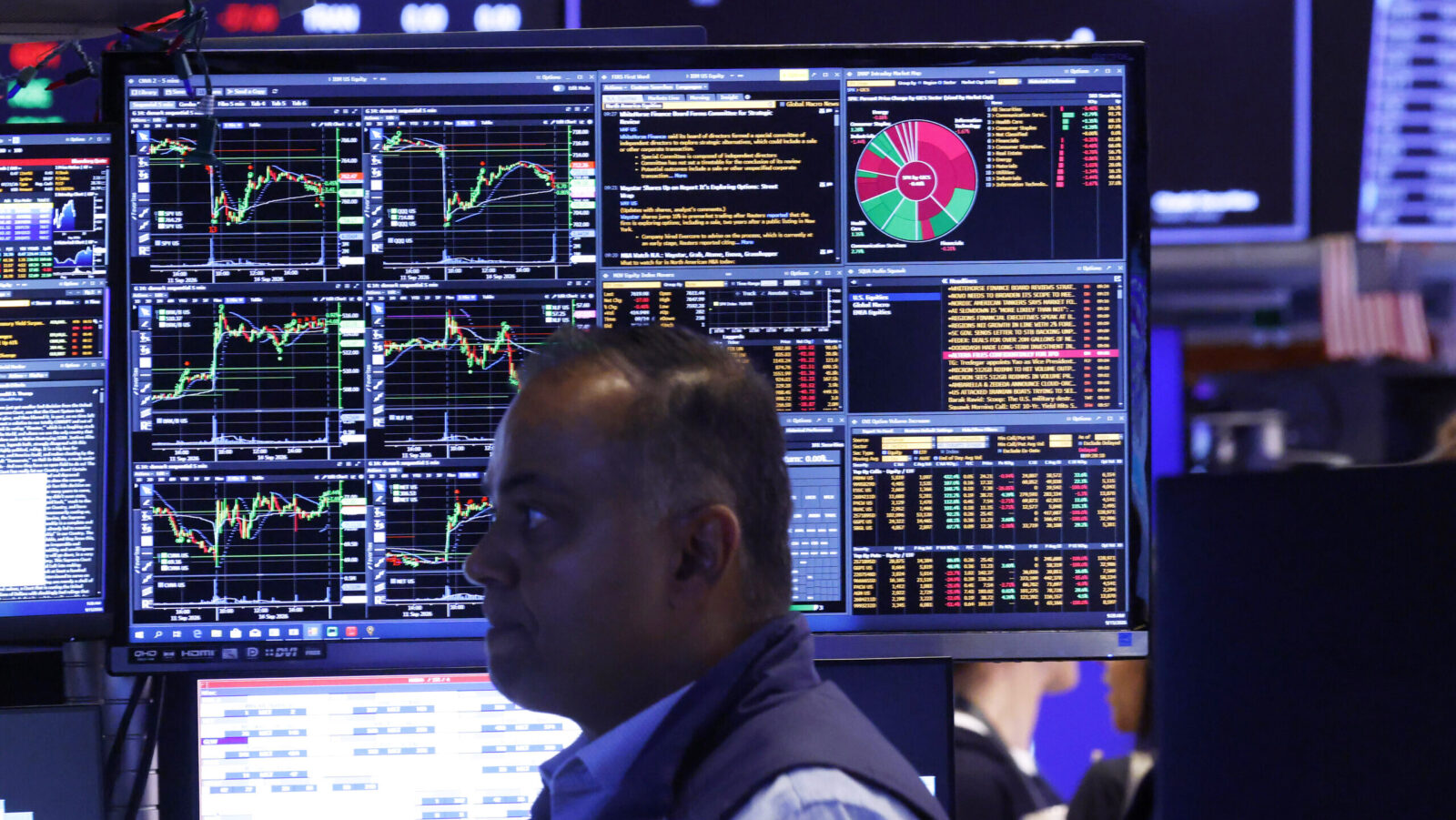
- On the other hand, last week’s midterm results delivered widespread political opposition that could slow the pace of a build-out, sparking a massive market sell-off of tech stocks last week as Wall Street questioned the proposed scale of the build-out. That means spending could slow, effectively taming a key inflationary force.
“Continued falls in tech stocks and oil prices could eliminate the prospect of an additional hike in early 2027,” Matthew Martin, senior US economist at Oxford Economics, wrote in a note last week.
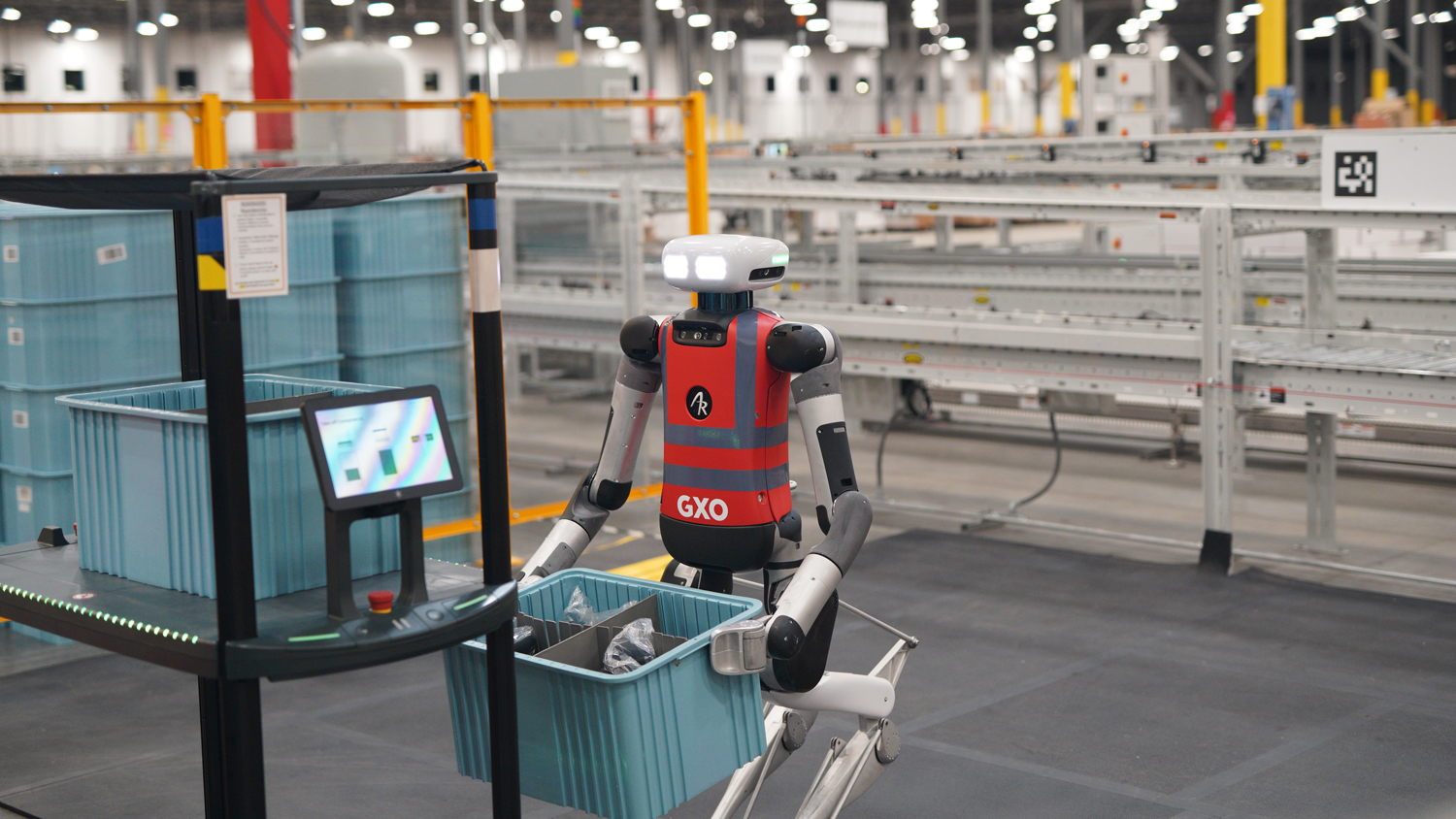
Now Hiring: The good news for regular old humans? The robots don’t seem to be impacting the labor market yet. The unemployment rate remains at a healthy 4.1%, while the ratio of open job to unemployed person actually increased in September, to 1.06 from 1.02 the previous month. Productivity, meanwhile, increased at an annualized rate of 3.6% in the latest quarter, per the Labor Department. That’s the fastest pace in a year, but low enough for most economists and experts to think AI’s impact on productivity remains marginal.
Recent News
-

Photo illustration by Connor Lin / The Daily Upside, Photo via Freepik






-
Photo illustration by Connor Lin / The Daily Upside, Photo by Chanakon Laorob via iStock