Keith Fitz-Gerald’s New ETF Is Betting Against Diversification
The FITZ fund goes against the grain, arguing that just 30 top-performing stocks will beat broad market indexes.

Sign up for exclusive news and analysis of the rapidly evolving ETF landscape.

Sick of being told not to put all your eggs in one basket?
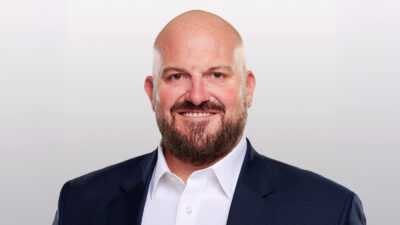
The recently-launched Fitz-Gerald Must Have Portfolio (FITZ) from XFUNDS is an actively-managed ETF, which currently consists of 30 companies that market researcher and strategist Keith Fitz-Gerald said are must-have stocks. Fitz-Gerald, who has more than four decades of experience on Wall Street and is a frequent collaborator of Main Street favorite Suze Orman, argues that long-term returns are concentrated in a shrinking group of dominant businesses. He selected stocks such as Apple, JPMorgan Chase, Chevron and Eli Lilly..
It may be a hard sell given that a cardinal rule of investing is to diversify, and it comes with a relatively high expense ratio of 0.75%. But Fitz-Gerald said the fund can benefit young professionals who want to invest in companies that are going to be around for decades, as well as pre-retirees and retirees who want the potential for high returns.
“If you own hundreds or thousands of stocks spread across a bunch of different ETFs and funds, you’re never going to have enough of the right stocks to really move the needle,” Fitz-Gerald told ETF Upside. “If we do our job properly, then the difference between owning the right amount of Nvidia and just the S&P 500 index fund is going to be significant.”
Funds with Faces
As more investors gravitate to ETFs, there has been a rise in funds that promise investors the ability to capitalize on one expert’s recommendation, such as the Dan IVES Wedbush AI Revolution ETF (IVES) and Cathie Wood’s suite of ARK ETFs.
But Brendan McCann, senior associate analyst for Morningstar, said to be cautious about funds like these trying to beat the market:
- “They can be exciting to invest in, and it’s different enough from the market that it has the potential to outperform,” McCann said. “The other side of that coin is it can also wildly underperform … these funds are taking on more risk.” Plus, it’s hard to time the market. Just 38% of active mutual funds and ETFs performed better than their passive peers last year, according to Morningstar.
- It’s especially hard to do so with a fee of 75 basis points when index funds are charging just two or three. “That’s around a 70-basis-point gap every year that it’s fighting against,” McCann added.
Wait and Hold: Fitz-Gerald may be pointing investors away from diversification, but he is recommending the other investing “D” word: dollar-cost averaging. “Longer term, I expect this to perform exactly the way we intended it to,” he said. “But the shorter term — with this volatility and everything else going on — as much as I’d like to say buy it all right now, don’t do that.”