SEC Gives a Nod to Nocturnal Traders
The commission moved to allow 24/7 trading of stocks on the blockchain. Tokenization may be increasingly important, executives said at last week’s Future Proof conference.

Sign up for exclusive news and analysis of the rapidly evolving ETF landscape.

Forget bears and bulls. The SEC wants to work on behalf of owls.
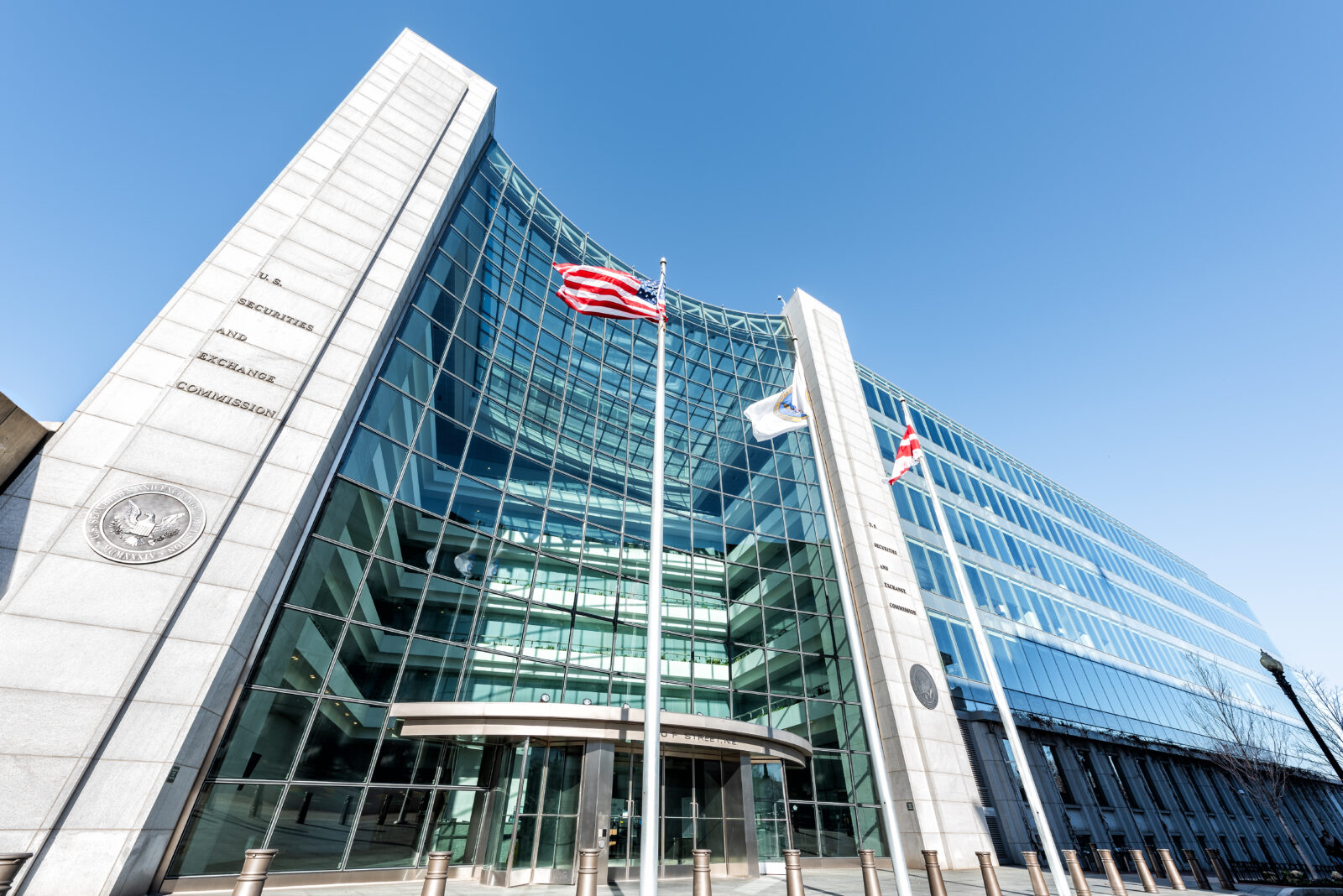
Who? Traders who are more nocturnal than diurnal. The commission granted a new exemption late last week that permits tokenized stocks to trade round the clock under certain conditions. It rolled out that five-year “innovation exemption” on the same day it convened a roundtable on 24/7 trading, and it’s moving forward in the wake of the Clarity Act’s failure in the Senate. The order effectively exempts market participants from having to comply with securities rules, and while that doesn’t directly affect mutual funds or exchange-traded funds, it’s indicative of the SEC’s direction on tokenization and round-the-clock trading.
“I have concerns about tokenization, but I don’t think it’s per se problematic … It could be a better way for trades to process — to be cleared and settled,” said Benjamin Schiffrin, director of securities policy at Better Markets. “It’s very troubling that the SEC [last week] essentially created two different regulatory regimes,” with one for traditional securities and a separate one with fewer consumer protections for tokenized securities, he said.
View from the Beach
Asset managers have been dabbling in tokenization, and some see it as an important step in meeting clients where they are, some said at last week’s Future Proof conference in Huntington Beach, California. “For us, tokenization is important. It’s a mechanism,” Brian Hartigan, global head of ETFs and index investments at Invesco, told ETF Upside. Further, it may be increasingly useful to engage with crypto-based wealth services in the future, as some younger investors may know all about tokenization but hardly anything about ETFs, he noted.
From a practical perspective, firms may use tokenization mostly behind the scenes, Allspring CEO Kate Burke said during a panel discussion, adding that the company is preparing a tokenized money market fund. Further, VanEck CEO Jan van Eck added that he “would look at tokenization as a derivative.”
Some of the firms already using tokenized assets include:
- Franklin Templeton, which last year added its OnChain U.S. Government Money Market Fund, has indicated plans to include tokenized assets in ETFs and mutual funds, per an SEC letter cited by Bloomberg.
- Invesco, which earlier this year became the investment manager of Superstate’s tokenized short-duration US Treasuries fund.
- But, it’s worth noting that some brokers, like Charles Schwab and Interactive Brokers, offer 24/5 trading for ETFs and other products outside the traditional exchanges, though that comes with limitations and caveats.
Dancing in the Dark: Making stock trading more like all-hours crypto trading may have unintended consequences, such as compulsive or excessive buying and selling, Better Markets’ Schiffrin said. For example, short-term investors may not realize that they could get better prices during daytime hours, so disclosures about some of the risks will be essential if and when widespread 24/7 trading happens, he said. And there’s the issue of market dislocations that happen while the SEC is literally sleeping. “From an institutional perspective, there’s an issue of suddenly having to monitor markets 24/7, and not necessarily at the times when the regulator will be monitoring markets,” he said.
Recent News








-

Photo via Spencer Jones/Plexi Images/GHI/Universal Images Group/Newscom