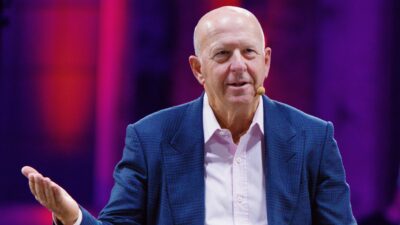
SpaceX Draws Hordes of Investors, Some Unlikely or Unknowing
SpaceX is expected to set aside 20% of its shares for retail buyers who’ve placed bids for more than $100 billion worth of shares.
Sign up for smart news, insights, and analysis on the biggest financial stories of the day.

In case you just returned from an extended silent retreat, the biggest business news of the year is about to blast off. SpaceX starts trading on the Nasdaq today in what’s priced to be the largest IPO ever.
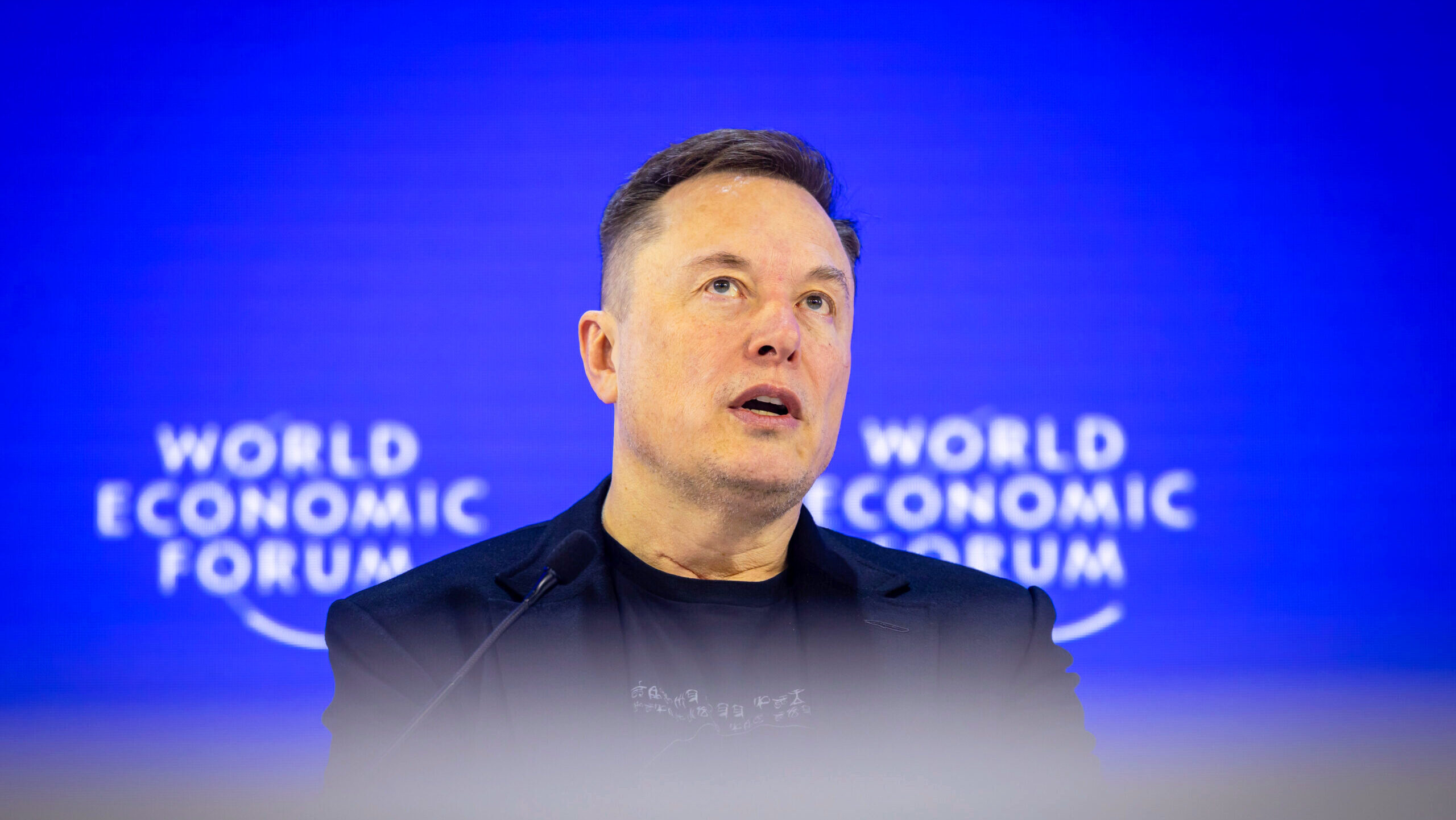
The rocket launch/internet satellite/social media/AI chatbot company set its share price at $135 and expects to raise $75 billion in its public debut, after which its estimated value will land at roughly $1.77 trillion. SpaceX could immediately be worth more than Elon Musk’s other baby, Tesla, as well as Meta and Berkshire Hathaway.
The stock has massive thrust from eager investors propelling it toward the stars, but analysts are questioning if and when its shares could come back down to Earth.
Gravitational Pull Felt By Everyone
The hottest IPO ever has huge demand. BlackRock is reportedly on the books for at least $5 billion worth of shares, while sovereign wealth funds including Saudi Arabia’s Public Investment Fund have placed orders for stakes of $1 billion or more. Altogether, about 1,000 institutional investors want a piece of the IPO.
SpaceX is expected to set aside 20% of its shares for retail buyers who’ve placed bids for more than $100 billion worth of shares, Bloomberg reported Thursday morning. Many of them will have to jostle for shares once the company starts trading.
But SpaceX’s stock will touch other less obvious investors, too:
- Universities have invested in SpaceX via their endowments, with some poised to hold outsized positions because of early investments. The University of North Carolina’s 17-school system is said to have about a tenth of its endowment tethered to SpaceX, while Washington University in St. Louis’s holding percentage sits somewhere in the mid-teens.
- Passive investors could see SpaceX stock touch their retirement accounts quicker than usual. SpaceX’s fast-tracked entry into the Nasdaq 100 and the FTSE Russell means the company will find its way into index funds soon after its launch. But the S&P 500 isn’t bending the rules for SpaceX. The stock’s potential for volatility could be a concern for passive investments.
SpaceX Oddity: SpaceX is about to be more exposed than a full moon on a clear night. Analysts are concerned that the same hype pushing the stock to infinity and beyond could make it break up in the atmosphere. Morningstar analysts said this week they think SpaceX is worth less than half its IPO target because its chances of one day turning a profit hinge on “novel and untested” tech. Goldman Sachs, however, expects SpaceX’s AI division to pull through, predicting the unit’s revenue will jump from about $3 billion last year to $322 billion by 2030 to make up the majority of the company’s total revenue. Historically, companies have tended toward volatility when they’re fresh out the gate (indexes typically wait to add them for a reason). Add Elon Musk’s antics to the mix and SpaceX could face occasional geomagnetic storms post-lift off.
Recent News
-
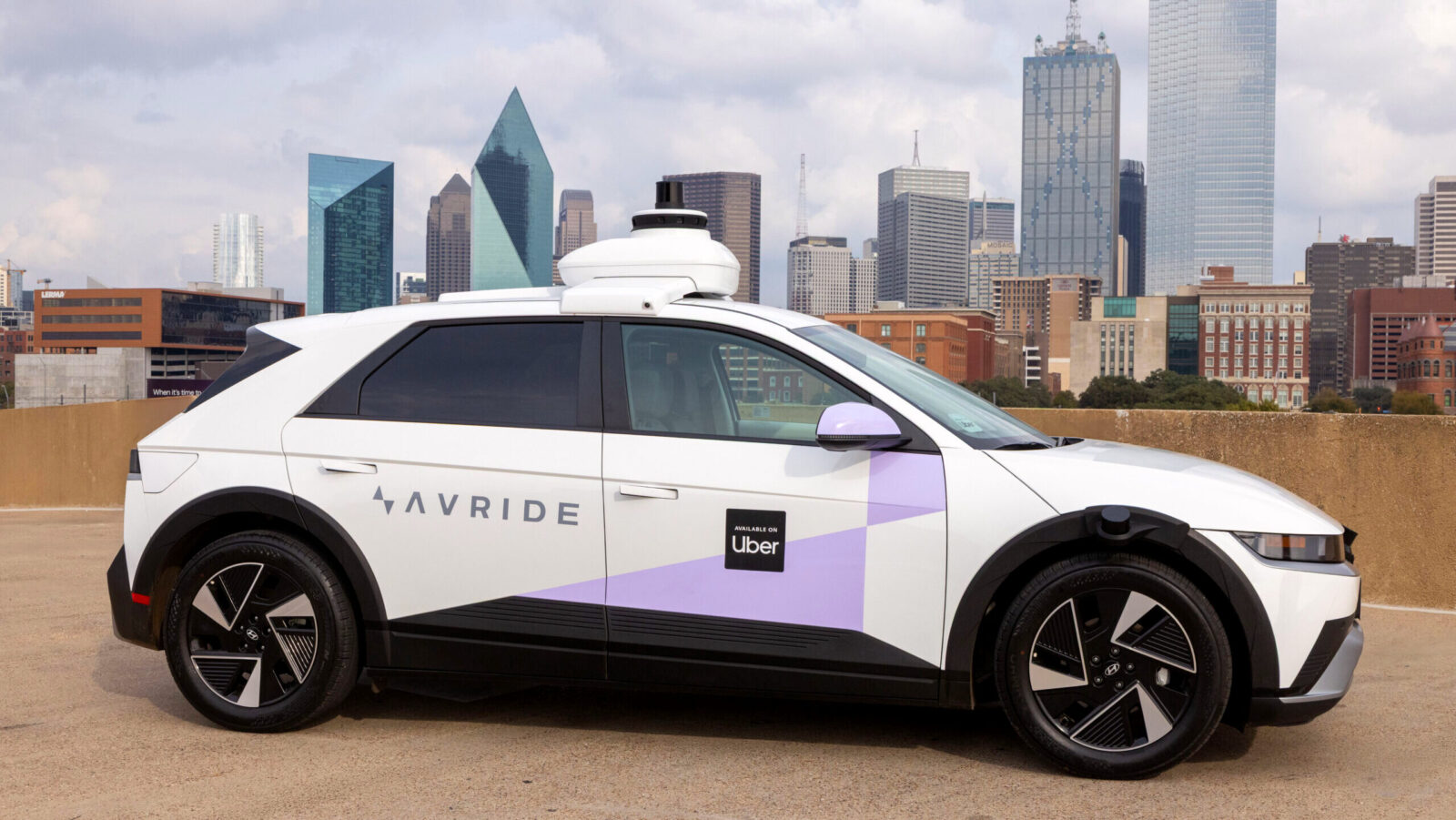
Uber, Waymo and Tesla Speed Toward Driverless Future

Photo via Uber/Avride


-
Bond Market Drives Long-Term Treasury Yields to 19-Year High, Shrugging Off Hesitant Fed

Photo via Li Yuanqing / Xinhua News Agency/Newscom
-

Photo illustration by Connor Lin / The Daily Upside, Photo by Alesmunt via iStock