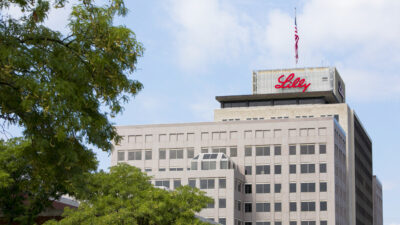
Eli Lilly Sales Surge 56% as Booming GLP-1 Demand Eclipses Lower Prices
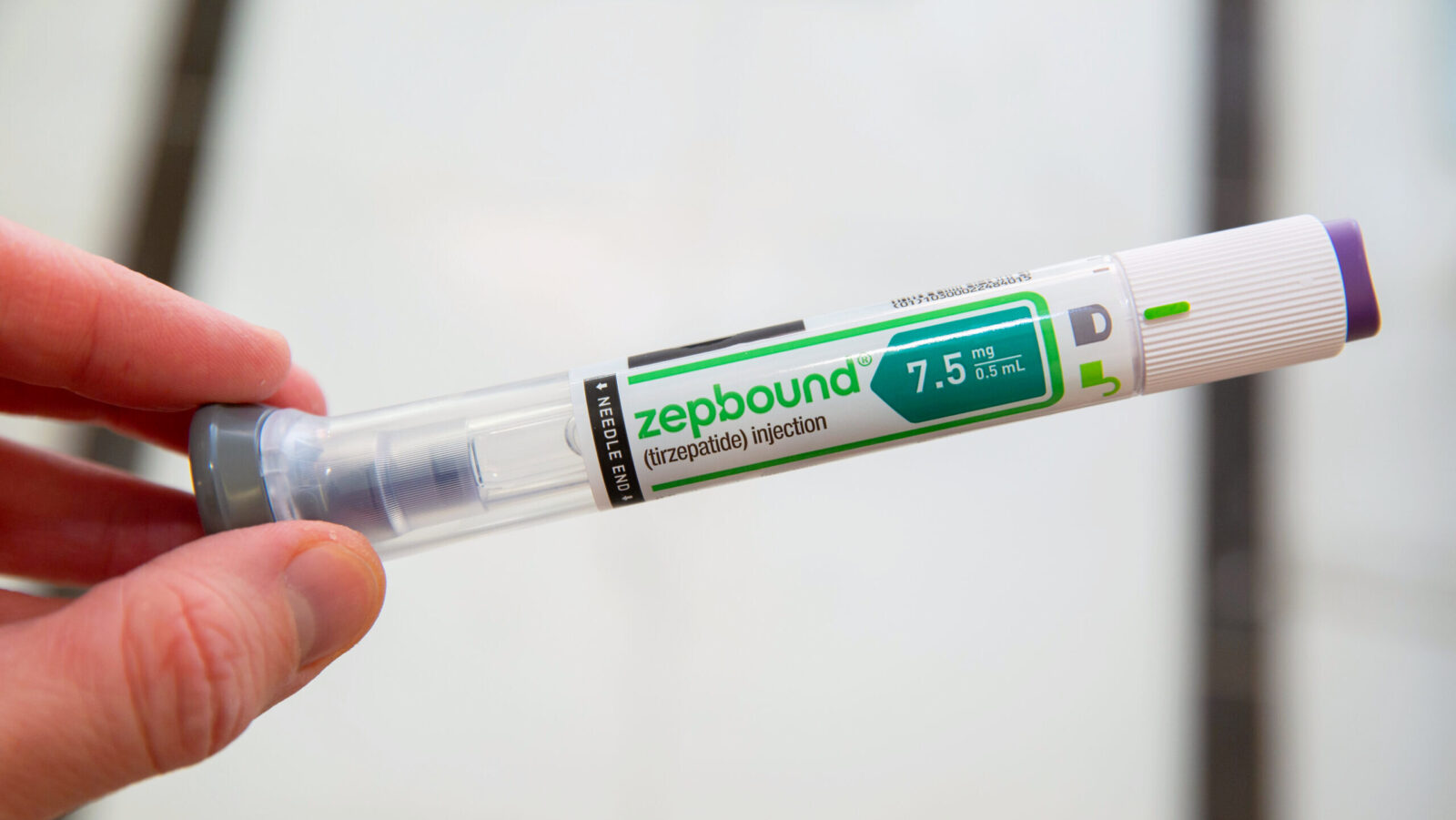
The results were driven by a 65% jump in volume amid a booming demand for weight-loss drugs like Lilly’s Mounjaro and Zepbound.

Sign up for smart news, insights, and analysis on the biggest financial stories of the day.

Eli Lilly isn’t just a pharmaceutical giant anymore; it’s a global appetite suppressant for an economy built on over-consumption. The company blew past Wall Street’s first-quarter expectations, with revenue surging 56% to $19.8 billion, well above the $17.8 billion analysts projected.
The results were driven by a 65% jump in volume amid booming demand for weight-loss drugs like Lilly’s Mounjaro and Zepbound and rival Novo Nordisk’s Wegovy. That helped offset declining prices for Lilly’s treatments, and the pharma giant raised its full-year revenue forecast by $2 billion.
Throw in the fact that sales from Lilly’s newly-approved GLP-1 pill Foundayo weren’t included in the latest earnings report and that Medicare will start offering weight-loss drugs through a bridge program in July, and it seems clear Lilly isn’t slowing its roll anytime soon. The company says it holds a 60% share of the obesity and diabetes drug market compared with Novo’s 39%.
Supplying Demand
Eli Lilly is looking a bit like a semiconductor or energy company, given how much of its performance is tied to manufacturing capacity. The drugmaker’s difficulty keeping up with demand for Mounjaro when it launched in 2022 kicked off a few years of bottlenecks and shortages. As a result, Lilly poured tens of billions of dollars into production and now may be ready to pull back a little:
- Researchers at S&P Global said they believe the company’s heavy capital expenditures will peak at $10 billion to $11 billion in 2026 before settling down at about $8 billion annually.
- A more normal price picture could help the stock. “What tends to derail the weight-loss drug manufacturers’ stocks every now and then are the price concessions from all-time highs of supply-constrained pricing to a more normalized supply environment,” Shams Afzal, managing director and portfolio manager at Carnegie Investment Counsel, told The Daily Upside.
Curtailing Copycats: On Thursday, the Food and Drug Administration proposed excluding the key ingredients in the popular weight-loss and obesity meds from its bulk compounding list, which could potentially limit the making of cheaper alternatives, a win for both Lilly and Novo.
Recent News
-
Chobani Cashes In on Protein-Maxxing Boom

Photo via Richard B. Levine/Newscom
-

Photo via Revolution Medicines



-
Photo illustration by Connor Lin / The Daily Upside, Photo by Sveipe via iStock