UnitedHealth Boosts Profit Forecast Without Committing to Medicare Obesity Drug Coverage
The company now expects 2026 adjusted earnings of more than $18.25 per share, a jump from the $17.75 per share it previously forecasted.
Sign up for smart news, insights, and analysis on the biggest financial stories of the day.

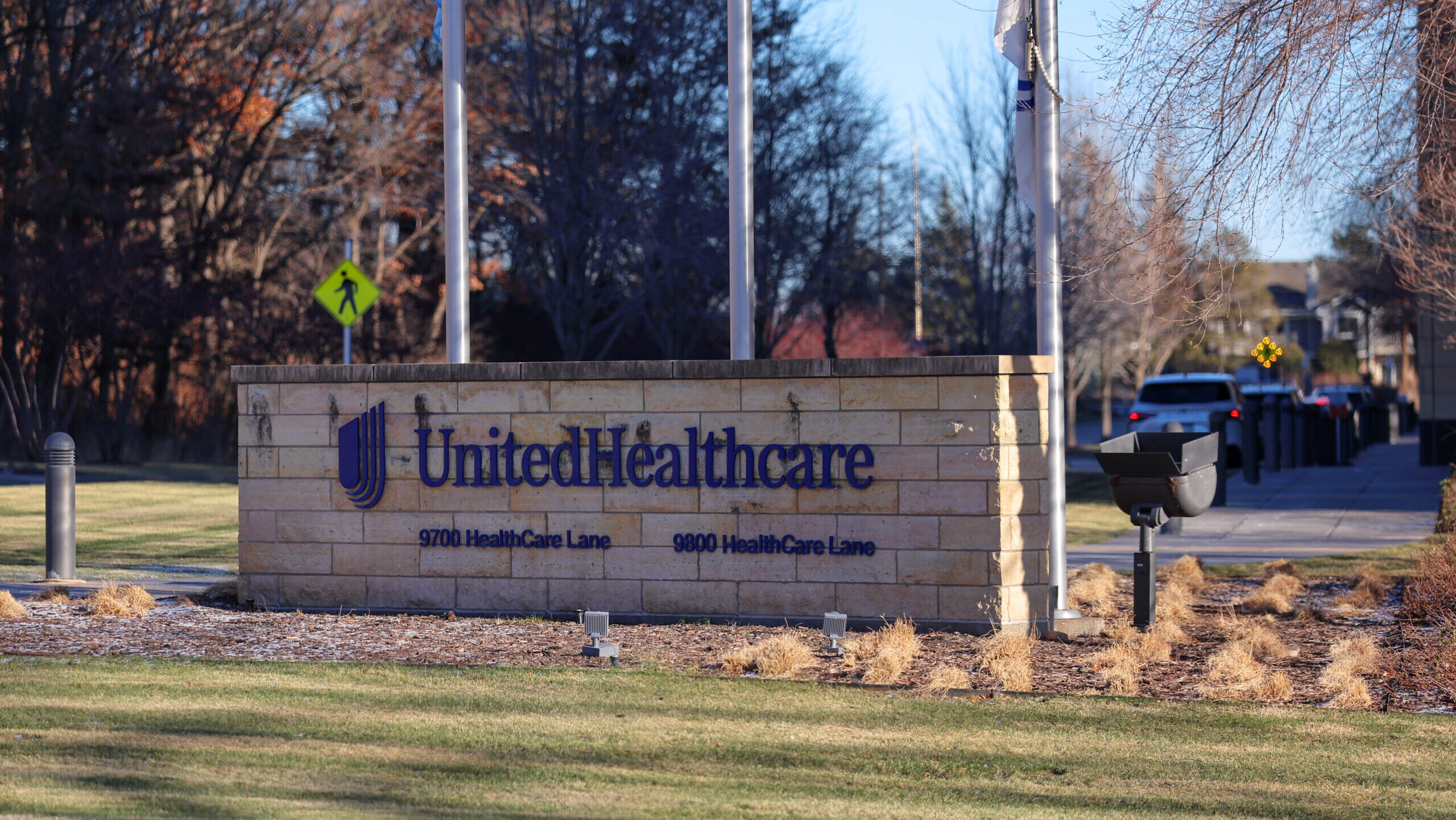
UnitedHealth Group’s fever just broke.
The largest private health insurer in the country reported first-quarter earnings Tuesday that beat Wall Street’s expectations, and raised its outlook for the rest of the year. UnitedHealth’s revenue came in at $111.7 billion, up from $109.6 billion a year ago and above the $109.57 billion analysts surveyed by LSEG were expecting. The company now expects 2026 adjusted earnings of more than $18.25 per share, up from the $17.75 per share it previously forecast.
Improvements in cost management and operations were just what the doctor ordered. The company’s medical benefit ratio, a crucial metric that reflects medical expenses paid relative to premiums received, was 83.9% for the first quarter. That’s better than the reported 84.8% in the first quarter of 2025 (a lower ratio generally means higher profitability). The company said it also replaced nearly half of the top 100 execs, leveraged artificial intelligence and exited non-US businesses to focus on US ones.
Road to Recovery
Just because UnitedHealth’s symptoms have eased doesn’t mean it’s out of the woods yet. Congress continues to put large insurers in the hot seat, scrutinizing their Medicare Advantage pricing and insurer profits. In January, Sen. Chuck Grassley released a report accusing the company of “turning risk adjustment into its own business and siphoning off taxpayer money in breach of the program’s original intent.” Insurers aren’t exactly popular with the public either. KFF found that nearly three-fourths of adults in the US say their delays and denials of services and treatments are a major problem.
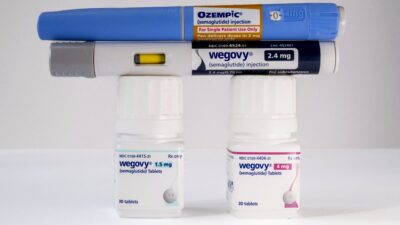
Looking ahead, UnitedHealth and its peers also have to grapple with the Trump administration’s plans to cover obesity drugs in Medicare. The administration hoped to kick off the program next year, and insurers had an April 20 deadline to decide whether to join. Weight-loss medications like Novo Nordisk’s Ozempic and Wegovy are hugely popular but also expensive. A recent analysis found that covering them would cost health insurers billions in just the first year:
- “We would like to find a path to yes on coverage over time, but there are some notable challenges and outstanding questions with the currently planned structure,” Bobby Hunter, UnitedHealth’s chief of government programs, said on a post-earnings call with analysts.
- Bloomberg reported that Aetna’s parent, CVS Health, declined to participate, citing a company spokesperson.
Hemsley at the Helm: UnitedHealth’s positive earnings results appear to have given investors some confidence in the company’s turnaround, which Stephen Hemsley vowed to bring about when he returned to the CEO role abruptly last May. UnitedHealth’s stock ended the day up nearly 7%.
Recent News

-
RevMed’s Life-Saving Pancreatic Cancer Drug Wins Early FDA Approval

Photo via Revolution Medicines