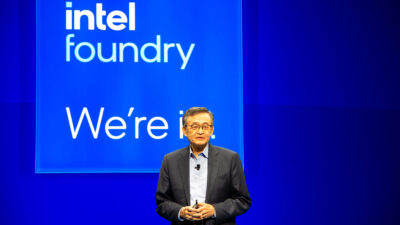
The US government took a 10% stake in Intel last year and the Trump administration has been arguably its best sales advocate.
Our daily email brings you smart and engaging news and analysis on the biggest stories in business and finance. For free.
SoftBank is one of OpenAI’s top shareholders, having built up a $64.6 billion, 13% stake in the ChatGPT maker.
Apple’s supply chain and manufacturing dependencies have turned problematic in the age of tariffs and friend-shoring.
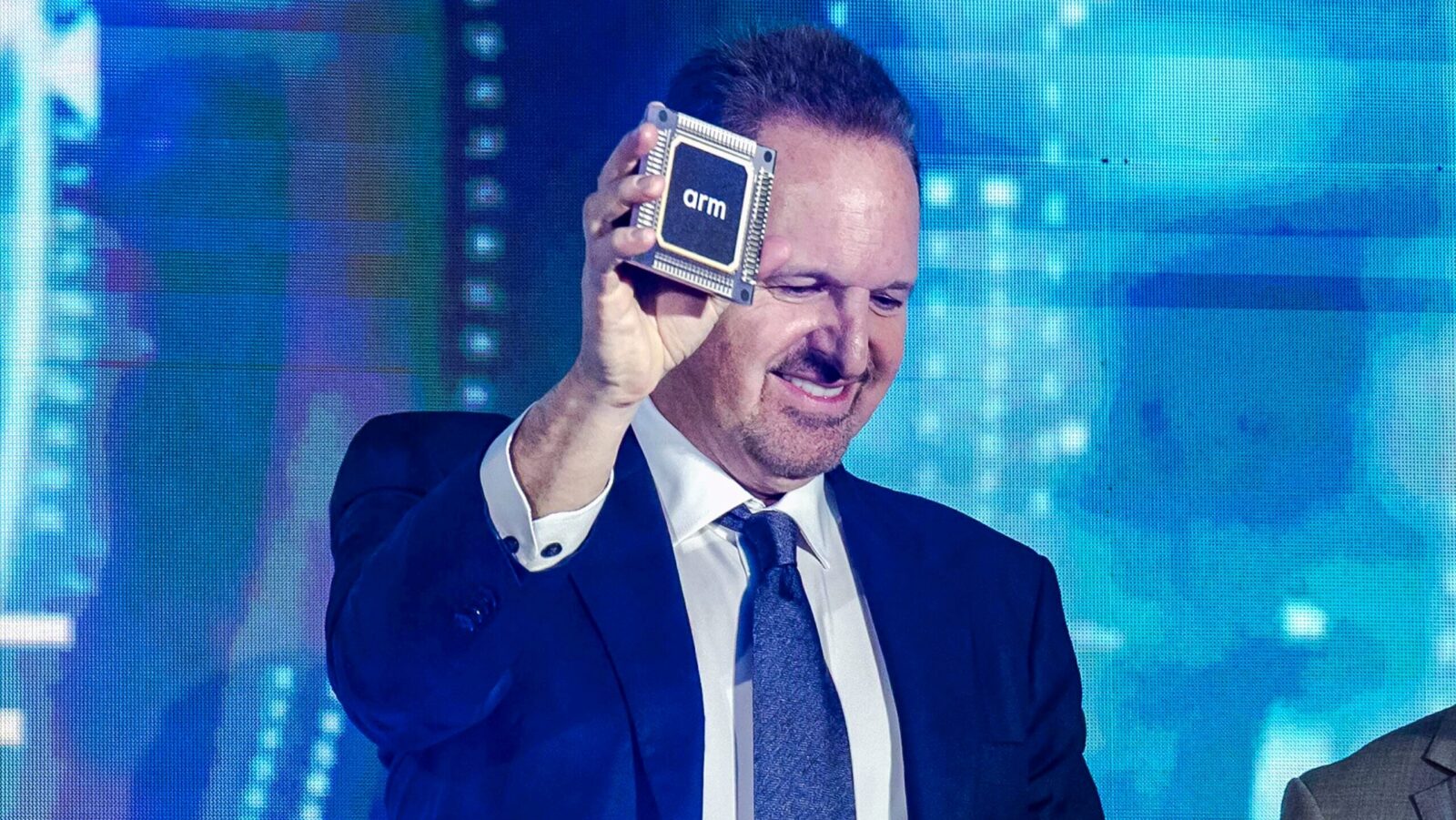
The 35-year-old company previously made money mostly by licensing its designs to other players in the chip ecosystem.
A post from Citrini Research has drawn widespread attention for its imagining of a 2028 in which AI leads to unceasing white collar layoffs.
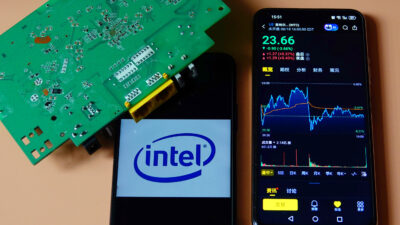
The good news is that CFO David Zinsner said that the company expects its supply to rebound through the rest of the year.
The progress has earned Intel praise from one particularly important member of the audience: President Trump.
The cult hero/curiosity has launched a social media broadside against the AI trade that has fueled this year’s market rally.
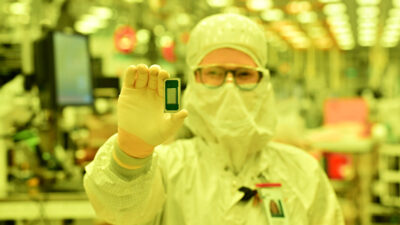
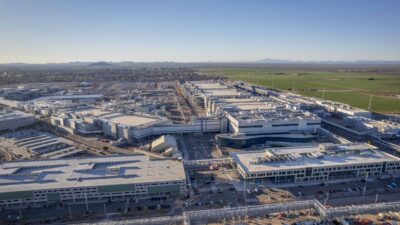
Intel has invested more than $20 billion in the new factory, which will churn out its chips in the US for the first time in nearly a decade.
Unfortunately for Intel, the deal does not provide a direct lifeline to its floundering chipmaking foundry business.
Between 2000 and 2002, after the dot com bubble popped, the Nasdaq lost nearly 80% of its value, wiping out trillions of dollars in wealth.
iPhone sales surged to $44.5 billion in the quarter ending in June, besting analysts’ $40 billion expectations and rising 14% year-over-year.
The deal comes as the US government explores a deal to take as much as a 10% ownership stake in the Santa Clara, California, firm.
Chip industry veteran Lip-Bu Tan was supposed to fix the company’s problems. Now, Tan has become the company’s problem.
For Samsung, it’s a chance to finally carve out some foundry industry market share from rival chipmaker TSMC.
When it comes to competing on the world’s semiconductor stage, US lawmakers are not content to let the chips fall where they may.