SpaceX IPO Could Launch an ETF Buying Bonanza
SpaceX is set to go public on Friday. Here’s how it could impact the industry.
Sign up for exclusive news and analysis of the rapidly evolving ETF landscape.

Space investing is about to take off.
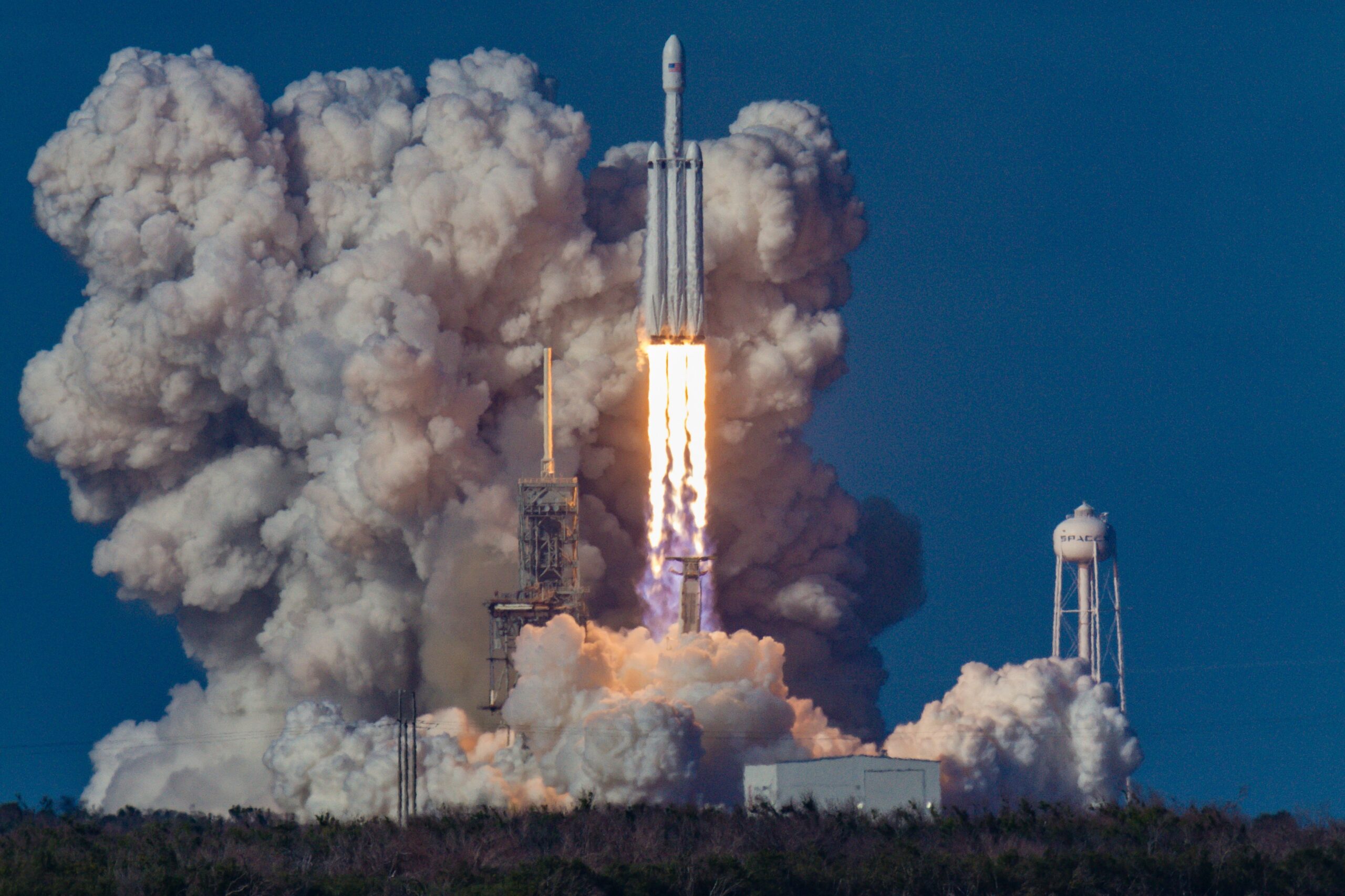
The mega-space tech company SpaceX is expected to begin trading publicly on Friday and investors are preparing for an offering that could shake up the space investing market, and the economy more broadly. But ETFs also stand to benefit, particularly those focused on the space and technology sectors. While some funds have requirements in place to vet for companies that meet index rules, others, like those tracking the S&P 500 and Nasdaq-100, will be forced to buy it at some point, although it could take at least a year to meet index requirements if the company is profitable. Some funds even have exposure to SpaceX through private holdings. The IPO is making investors interested in the industry more broadly, said Andrew Chanin, the CEO of ProcureAM.
“This pending IPO is … forcing inquisitive investors to try to determine what will happen,” Chanin said, “as well as how they may choose to position themselves afterwards.”
A Giant Leap for SpaceX. A Big Rebalance for ETFs
For investors already holding the relevant index funds, no action will be required to hold SpaceX. Still, many may want to up their allocation to the company by getting into space thematics. ProcureAM’s pure play space fund, UFO, is a passive product that tracks the VettaFi Space Index, which is expected to include SpaceX as soon as next week, Chanin said. “For us, UFO is a passive ETF, meaning it tracks a passive index, so we follow hard-and-fast set rules and try to replicate the underlying index,” he said. “[VettaFi is] looking at different metrics, such as the market cap, the price, the IPO price.”
Funds that track the S&P 500 and Nasdaq-100 indexes will need to absorb between $22 billion and $27 billion in SpaceX stock, according to ETF.com. Some of the biggest funds on the market that would hold SpaceX include:
- The Vanguard S&P 500 ETF (VOO), which oversees $1 trillion in assets and would need to buy roughly $5 billion in SpaceX following the IPO.
- The iShares Core S&P 500 ETF (IVV), which manages $859 billion and would also need to buy roughly $5 billion in SpaceX.
- The SPDR S&P 500 ETF Trust (SPY), which oversees $787 billion in AUM.
Space Time Continuum. Still, some questions remain, such as whether the company can sustain its hype post-listing. (One study looking at more than 9,000 IPOs between 1975 and 2021 found that about 60% delivered flat or negative returns three years after going public.) Another factor to consider is the company’s small relative float, or the number of shares available for public trading on the market.
“We’ve never seen a company this large go public,” Chanin said. “Will a much smaller available float create potential volatility, if people are really trying to get in or really trying to get out? Or are people saying, ‘Hey, this has been a great run, and I’ve seen great appreciation, and now I want to lock in those gains’? I think those [questions] are interesting.”