Can KKR Outmaneuver One of the Biggest AI Infrastructure Bottlenecks?
The big money firm is teaming up with Nvidia, Kuwait’s sovereign wealth fund, and Texas energy producer Vistra to build data centers.
Sign up for smart news, insights, and analysis on the biggest financial stories of the day.

If you had told a Silicon Valley venture capitalist five years ago that the future of artificial intelligence would depend on a Texas coal-and-nuclear utility, a sovereign wealth fund from the Persian Gulf, and the world’s most dominant microchip monopoly sitting around the same table, they would have laughed. But that is precisely the unusual syndicate behind Helix Digital Infrastructure.
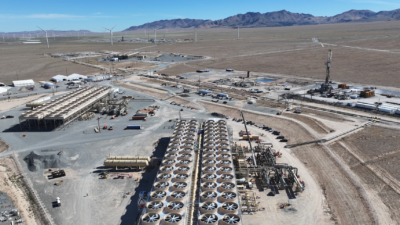
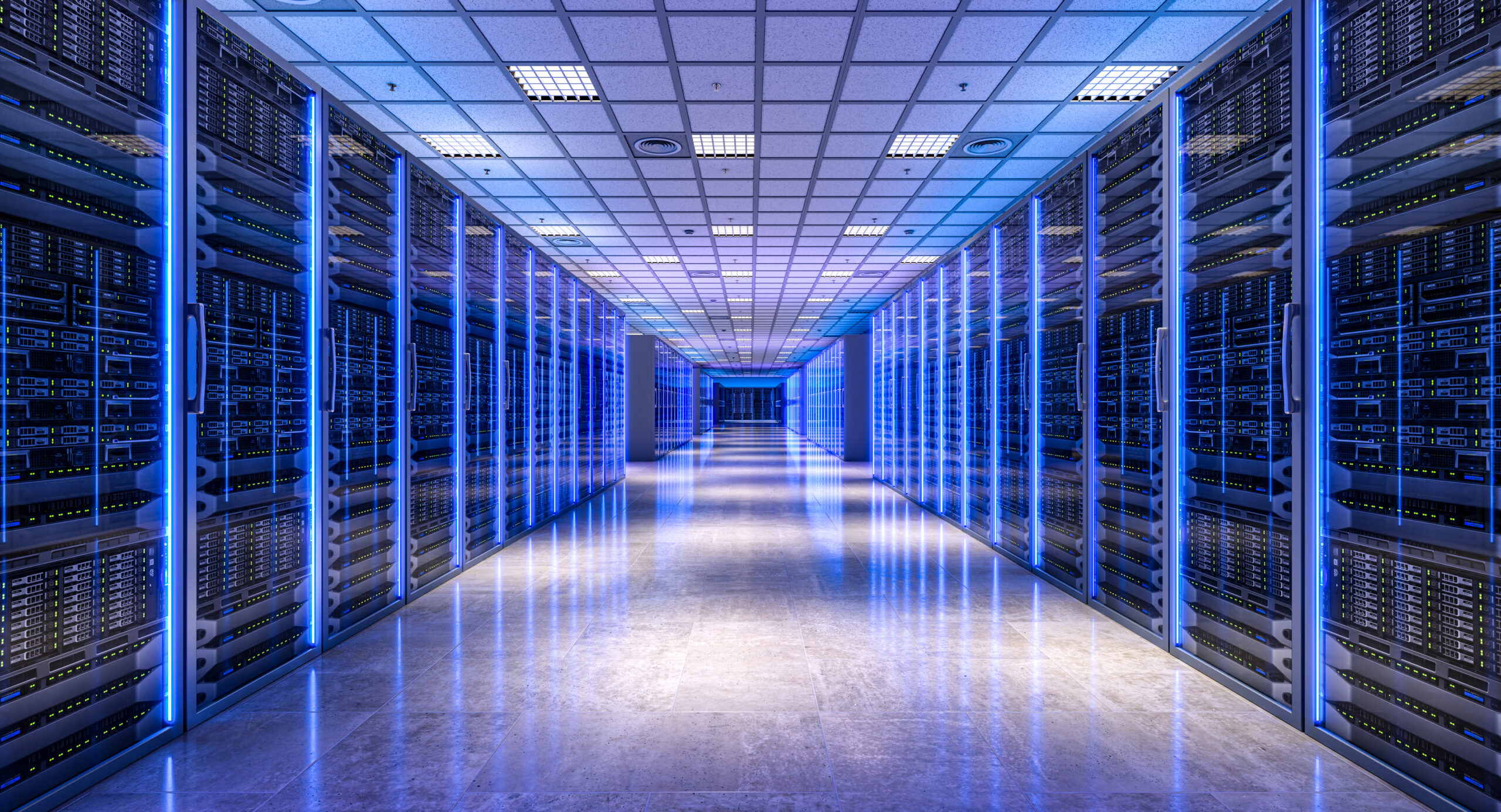
Launched Thursday by KKR, Helix is backed by $10 billion from a superteam of investors: Kuwait’s sovereign wealth fund, Nvidia, which is supplying digital infrastructure expertise, and, perhaps most importantly, Texas-based energy producer Vistra. The aim is to build data centers with fully integrated power supplies, an end run around one of the biggest bottlenecks bedeviling the broader AI buildout.
We Have The Power
There’s a reason big money firms keep teaming up with power producers to build and scale AI infrastructure (for more examples, see Blackstone’s joint venture with energy firm PPL and Brookfield’s $5 billion JV with fuel cell-maker Bloom Energy last year). “Compute is recognized as being directly linked to power, and yet, the traditional firms are not well equipped to navigate the power access process. Conversely, the power companies aren’t really great at selling to the hyperscalers,” Everett Thompson, CEO of data center real estate advisory firm WiredRE, told The Daily Upside. “Thus, these partnerships serve both firms’ needs: [power companies] get new clients, and Helix in this case gets power development support.”
To meet massive new demand from data centers, energy players are scrambling to get new capacity on the grid. In the meantime, planned data centers are languishing in development limbo:
- Nearly 40% of data center projects in development this year are at risk of facing significant delays, according to an April Financial Times analysis of data provided by satellite group SynMax. Lack of access to sufficient power was cited as a leading reason for the delays, as well as labor and other supply shortages.
- An even more recent analysis by Goldman Sachs published in May found that as little as 50% of data center capacity scheduled to come online in the next two years is on track to do so on time amid delays and shortages.
Now Vacancy: Helix, which is led by former Amazon Web Services chief Adam Selipsky, will almost certainly be well-rewarded if its combined expertise allows it to bust through the bottleneck and reach the insatiable demand on the other side. North American data center vacancy rates were at a record low of 1% at the end of last year, according to real estate firm JLL’s sector report card. The group also found that 92% of capacity currently under construction was already precommitted. Another Goldman Sachs report published in May, meanwhile, predicted that agentic AI alone will account for a 24-times increase in token consumption by 2030.
Recent News

-

Photo illustration by Connor Lin / The Daily Upside, Photo via Chelsea Blair/Sipa USA/Newscom


-
Uber, Waymo and Tesla Speed Toward Driverless Future

Photo via Uber/Avride

-
Photo via Simon Shin / SOPA Images/Sipa USA/Newscom